
Cymbeline
  • 83
  • 0
  • 34
  • Reads 83
  • 0
  • Part 34
Completed, First published Mar 02, 2026

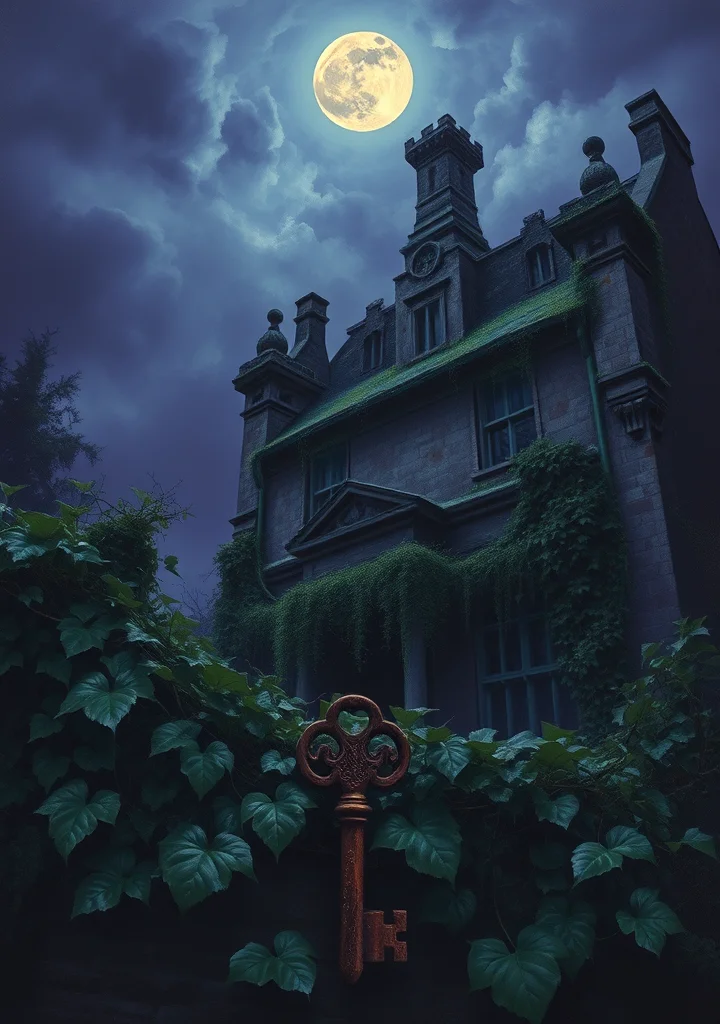
A creeping dread clings to the ancient forests of Britain, mirroring the fractured sanity of a kingdom poised on the brink of ruin. Cymbeline breathes with the cold, damp air of forgotten ruins and shadowed castles. Here, innocence is a fragile bloom choked by poisonous vines of jealousy and deceit. The story unfolds not in grand halls of power, but in the suffocating spaces between loyalty and betrayal, where whispers carry the weight of ghosts and every stolen glance threatens to unravel the thread of reason. A young love, tested by exile and disguised identities, becomes a desperate flight through a landscape haunted by phantom battles and the echoing cries of lost souls. The very earth seems to weep with the bitterness of wronged fathers and vengeful queens. A pervasive melancholy seeps into every corner, clinging to the characters like grave dust. The play is a labyrinth of mistaken identities, fuelled by the suffocating weight of familial curses and the suffocating grip of ambition. It is a world steeped in a twilight of regret, where the lines between reality and nightmare blur, and the heart beats with a frantic pulse against the encroaching darkness. The final confrontation is not a triumph of heroism, but a hollow echo in the vast, unforgiving wilderness—a chilling reminder of the fragility of hope in a world consumed by shadow.
Copyright: Public Domain
This license allows anyone to use your story for any purpose, including printing, selling, or adapting it into a film freely.
Recommended for you
71 Part
The air hangs thick with dust and the scent of decay, clinging to the shadowed corners of a decaying manor house. Within, a life unfolds not as a grand narrative, but as a series of fragmented recollections – whispers of a man diminished, both physically and in stature, swallowed by the suffocating grandeur of his ancestral home. The narrative coils like ivy around crumbling stone, a slow, deliberate unveiling of isolation. Each memory is a chipped porcelain doll, beautiful yet fractured, reflecting a childhood steeped in morbid fascination and the stifled resentment of those who towered above him. The prose is a draught from a forgotten cellar, laced with the chill of loneliness. Sunlight feels like an intrusion, unwelcome on skin that has grown accustomed to perpetual twilight. The reader is not merely told of the man’s smallness, but *feels* it – the weight of averted gazes, the echoing emptiness of rooms too vast for his presence, the insidious erosion of self-worth. The house itself breathes, a living thing that both protects and imprisons. The garden, overgrown and feral, mirrors the tangled, thorny emotions within. A palpable sense of dread permeates every chapter, not from external horrors, but from the creeping rot of a soul consumed by its own quiet desperation. It is a haunting, not of ghosts and ghouls, but of the hollow ache of being unseen, unheard, and utterly alone in a world built for giants. The final pages feel like a descent into a suffocating darkness, where the only sound is the fading echo of a life lived beneath the shadow of its own making.
35 Part
A creeping dampness clings to every page, mirroring the subterranean passage that dominates this fractured narrative. Here, the London streets exhale not into sunlight, but into a labyrinth of echoing brick and shadowed alcoves. The protagonist, adrift in a city both vast and suffocating, finds herself drawn – or perhaps driven – towards a network of tunnels beneath the city’s heart. These aren’t merely physical spaces, but corridors of memory, of unspoken desires, and of a creeping, nameless dread. The narrative unravels like damp thread, pulling at the edges of a life fractured by loss and yearning. A fractured, internal world is rendered through fragmented perceptions. Every encounter, every overheard fragment of conversation, feels weighted with a melancholic resonance. The air is thick with the scent of coal dust and decay, punctuated by the distant rumble of unseen machinery. There is a sense of being watched, of being drawn into a conspiracy of shadows, not by villains, but by the very fabric of the city itself. The tunnel is a metaphor, of course—a descent into the subconscious, a descent into a forgotten self. The prose is less about what is seen, and more about what is *felt* – the cold stone against skin, the suffocating weight of the earth above, the gnawing certainty of something lost, irretrievable, and buried deep within the echoing darkness. A claustrophobic, hypnotic descent into the heart of a woman’s unraveling, and a city’s hidden wounds.


39 Part
A creeping fog clings to the mill towns of Yorkshire, mirroring the suffocating constraints placed upon women in a society steeped in industry and rigid expectation. Here, amidst the soot-stained brick and the relentless machinery, Shirley Keeldar, a woman of independent spirit and inherited fortune, navigates a landscape of broken strikes and simmering resentments. The air hangs thick with the scent of damp wool and the metallic tang of blood from broken looms, a constant reminder of the lives ground down by progress. Shadows stretch long from the skeletal frames of weaving sheds, mirroring the secret yearnings and frustrations that haunt the lives of those who labor within. A brittle tension winds through the narrative, not of overt horror, but of a slow, insidious decay – a crumbling of tradition, a stifling of ambition, and the chilling realization that even the most willful hearts can be broken against the gears of circumstance. The moorland wind whispers of hidden debts and the ghosts of those lost to the relentless demands of the mills. A sense of isolation permeates every encounter, even within crowded rooms, as characters grapple with their desires and their destinies. It’s a world painted in shades of grey, where hope flickers like a dying ember against the encroaching darkness, and the only escape is found in the quiet rebellion of a defiant soul. The narrative doesn’t scream, it *breathes* with the cold, damp air of a forgotten age, leaving a lingering chill long after the final page is turned.
54 Part
A creeping fog clings to the cathedral spires of Barchester, mirroring the insidious tendrils of ambition and deceit that tighten around the lives within its ancient walls. The air hangs heavy with the scent of damp stone and decaying gentility, a perfume of hushed scandal and simmering resentments. Here, amidst the shadowed cloisters and echoing halls, a web of delicate, yet poisonous, social machinations unfolds. Miss Eleanor Bold, adrift in a sea of inherited wealth and uncertain affections, finds herself a pale moth drawn to the flickering flames of power held by the ambitious and calculating Reverend Mr. Slope. But Barchester is a place where smiles are brittle as frost, and piety masks a hunger for advancement. Each stolen glance, each murmured secret, is weighted with the burden of expectation and the threat of ruin. The very stones seem to listen, absorbing the whispers of gossip and the slow, agonizing unraveling of reputations. A sense of claustrophobia permeates the narrative, not of physical confinement, but of the suffocating weight of convention. The story unfolds like a slow bloom of mildew, spreading across the polished surfaces of respectability, revealing the rot beneath. It is a world where the slightest transgression casts a long, chilling shadow, and where the pursuit of a comfortable life can lead one down corridors of unbearable loneliness and regret. The shadows lengthen as the novel progresses, obscuring the true motives of the characters, leaving only the hollow echo of their desires in the cavernous silence of Barchester Cathedral.