
-
Read 390
-
0
-
Part 29
Completed, First published Mar 02, 2026
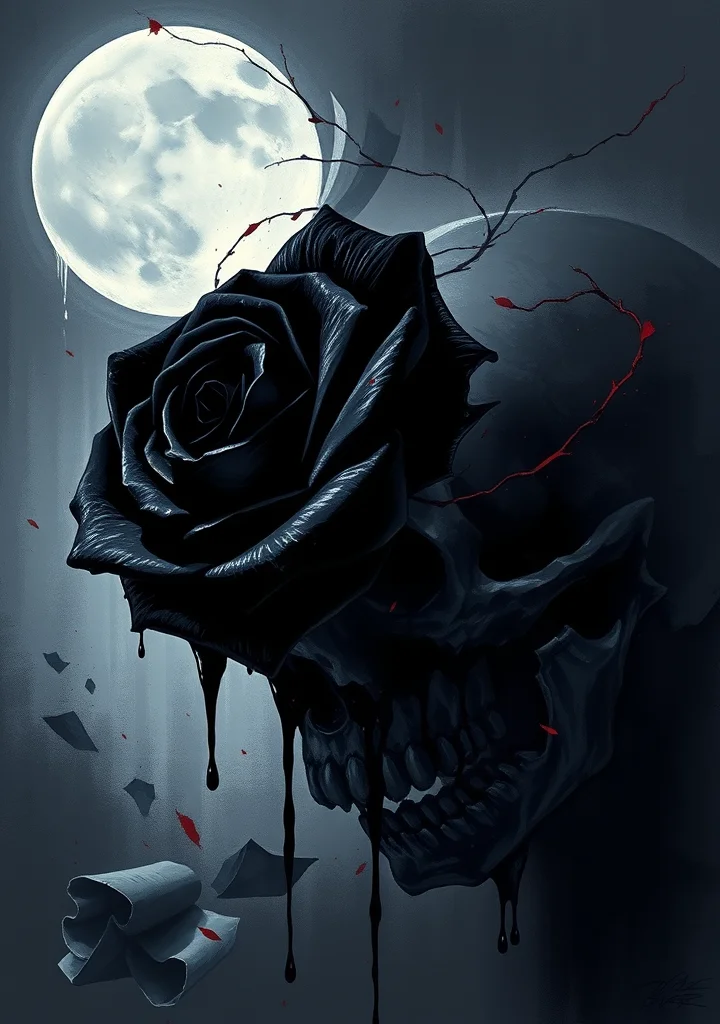
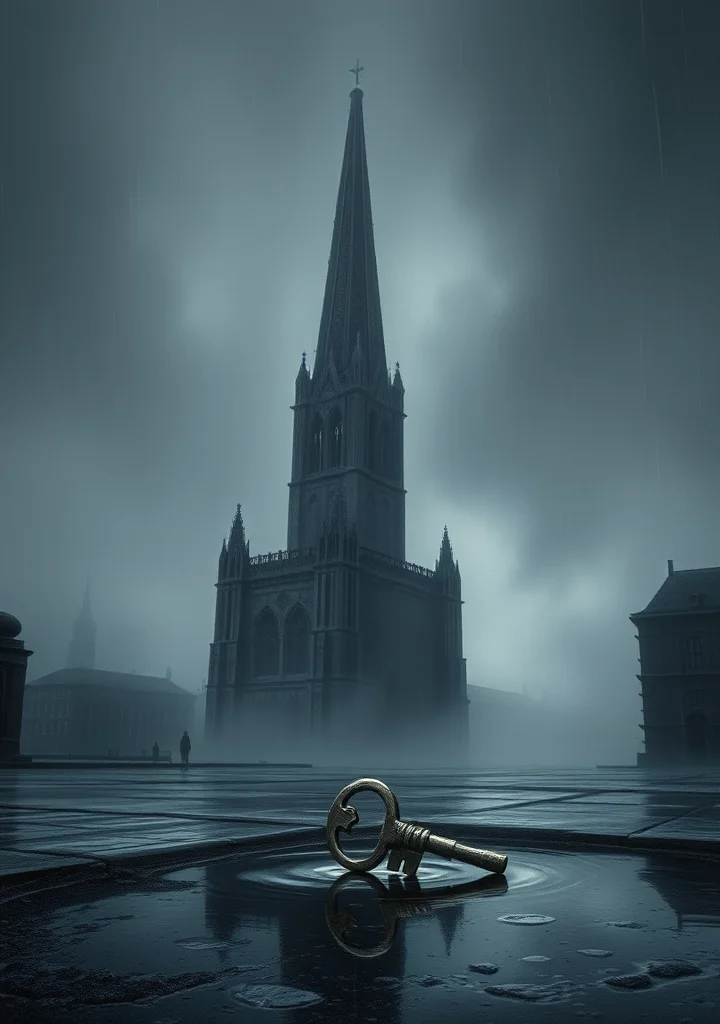
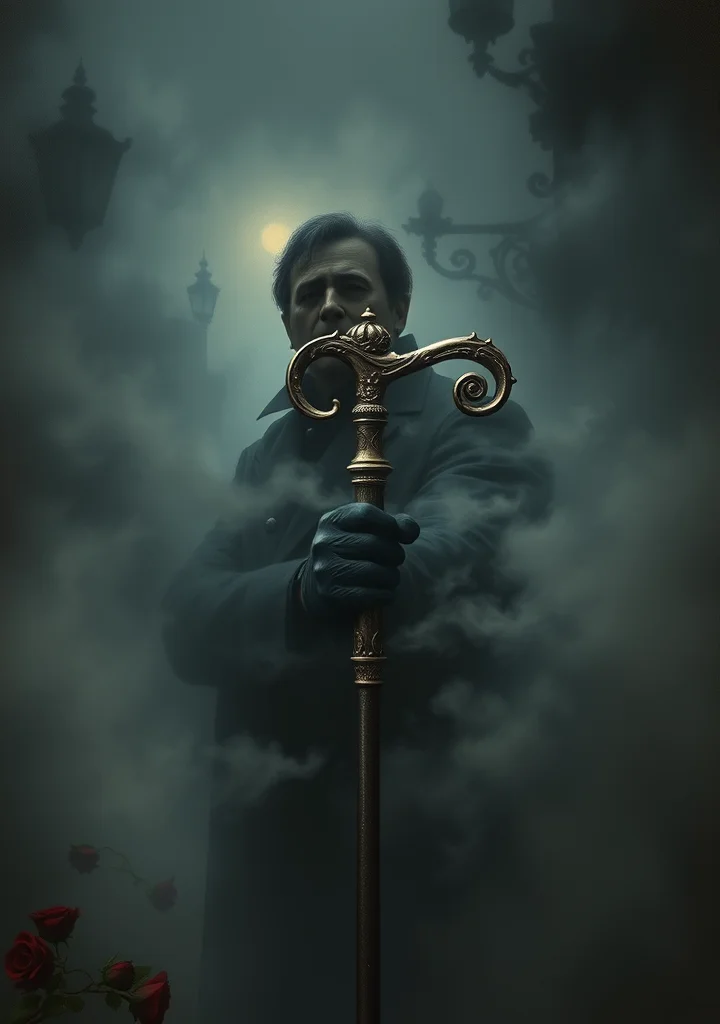
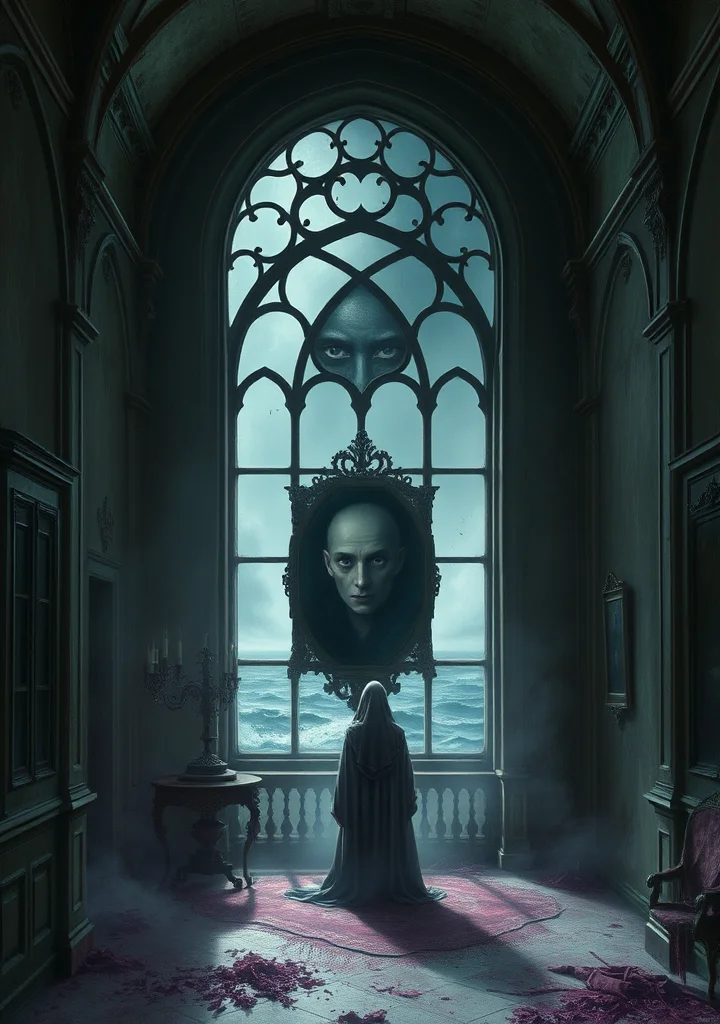
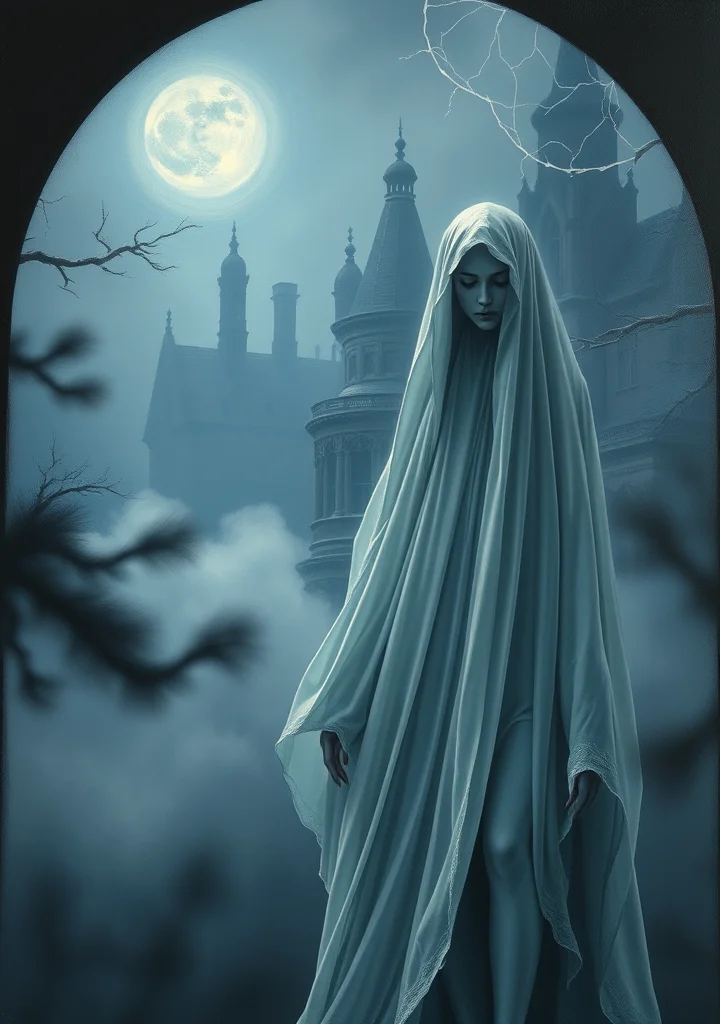
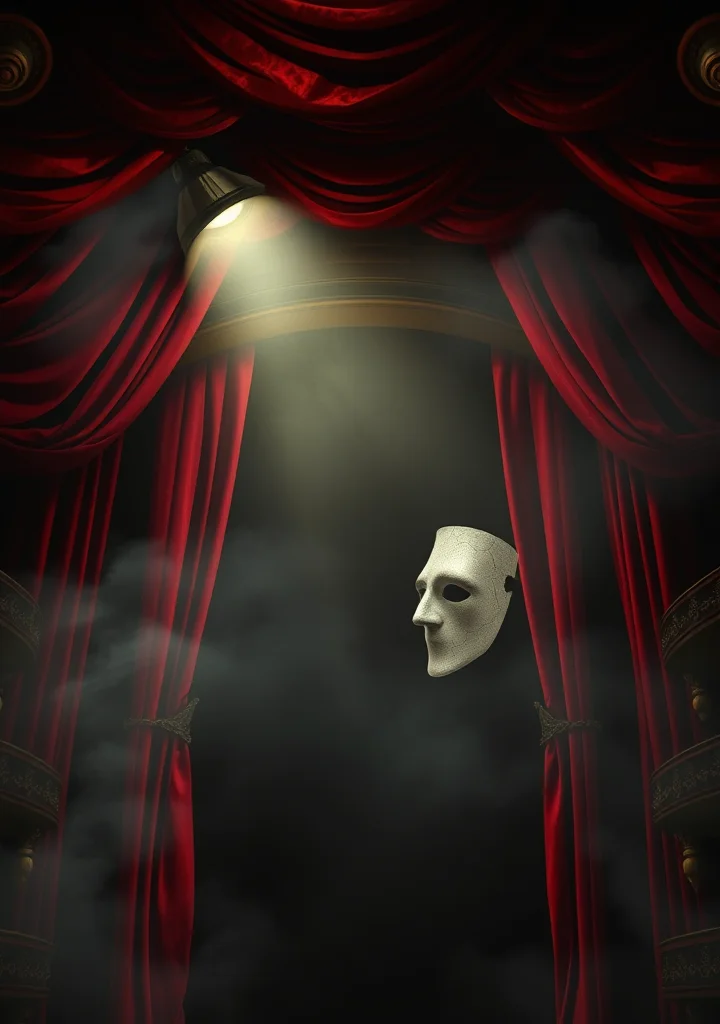
Beneath the opulent grime of the Paris Opera House, a darkness breathes. Not a mere haunting, but a suffocating presence woven into the very stones, the velvet, the gilded dreams of its patrons. A labyrinth of shadowed corridors, echoing with whispers and the scent of decay, conceals a creature born of myth and marred by despair. He is the Phantom, a master of illusion and terror, his face hidden behind a porcelain mask, his touch leaving a chill that lingers long after the music fades.
The air is thick with obsession—a fevered devotion to the young soprano, Christine Daaé, stolen from the world and promised to a phantom’s perverse artistry. Her voice, a fragile bloom in the suffocating darkness, becomes both his weapon and his cage. Each performance is a descent into a gothic nightmare, where beauty is measured in stolen glances and fear is the price of adoration.
The Opera Populaire is a stage for a tragedy enacted not in notes, but in the slow unraveling of sanity. The Phantom’s domain is not merely a hidden lair, but a corruption of the heart, a reflection of the monstrous desires that lie dormant within us all. The scent of roses mingles with the stench of damp stone, a haunting perfume clinging to the phantom’s legacy as he drags his victims into a suffocating ballet of madness and ruin. The shadows stretch and writhe, mirroring the twisting tunnels beneath the city, and the only escape lies in surrendering to the darkness—or vanishing entirely within its grasp.
Copyright: Public Domain
This license allows anyone to use your story for any purpose, including printing, selling, or adapting it into a film freely.
This license allows anyone to use your story for any purpose, including printing, selling, or adapting it into a film freely.
Chapter List
-
« The Phantom of the Opera »📖 Continue Reading
-
« Chapter_3 »
-
« I »
-
« II »
-
« III »
-
« IV »
-
« V »
-
« VI »
-
« VII »
-
« VIII »
-
« IX »
-
« X »
-
« XI »
-
« XII »
-
« XIII »
-
« XIV »
-
« XV »
-
« XVI »
-
« XVII »
-
« XVIII »
-
« XIX »
-
« XX »
-
« Chapter_24 »
-
« Chapter_25 »
-
« Chapter_26 »
-
« Chapter_27 »
-
« Chapter_28 »
-
« XXVI »
-
« Epilogue »
More like this