
North and South
  • 693
  • 0
  • 53
  • Read 693
  • 0
  • Part 53
Completed, First published Mar 02, 2026

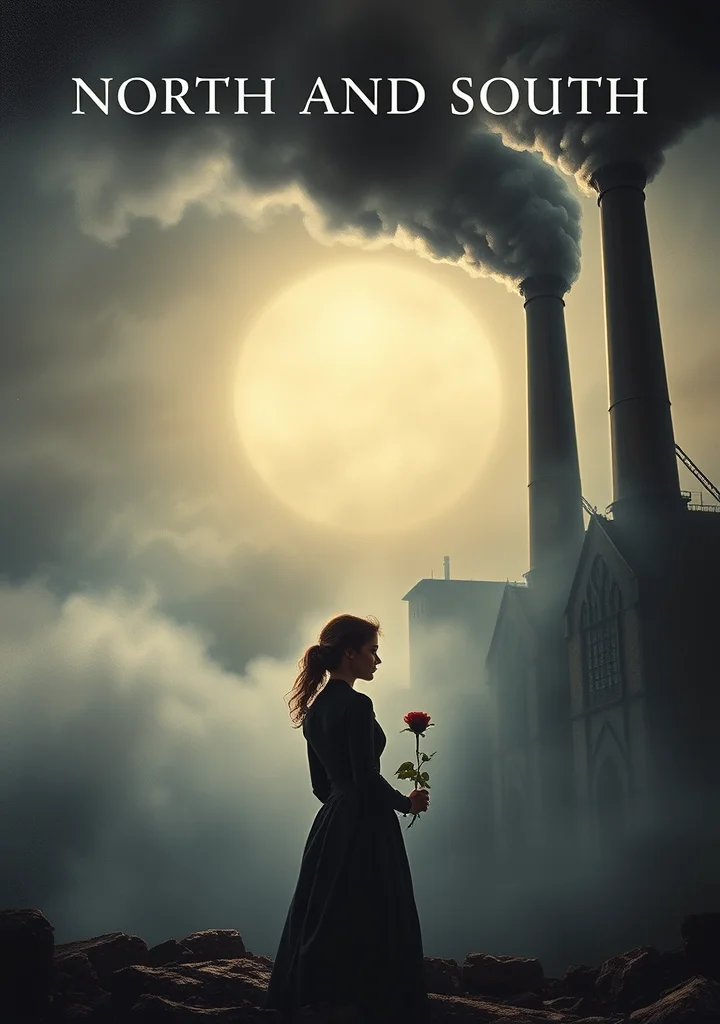
A chill wind blows from the industrial heartlands, carrying soot and the ghosts of ambition. This is a story steeped in the grey of mill towns and the shadowed corners of Victorian England, where the clash of worlds – agrarian grace versus iron-forged progress – leaves a residue of longing and discontent. A delicate spirit, adrift from the pastoral south, finds herself drawn into a northern landscape defined by the relentless rhythm of machinery and the rigid structures of class. The air is thick with unspoken grievances, with a simmering resentment that clings to the brickwork like damp. Expect a pervasive sense of enclosure, not within walls, but within expectations. A suffocating politeness masks a brutal reality where human lives are measured by the yardage spun. The narrative unfolds amidst a perpetual twilight, where moral ambiguities are as prevalent as the coal dust staining everything. A quiet desperation permeates the dialogue, hinting at suppressed passions and the slow decay of hope under the weight of circumstance. The very stones of the mills seem to weep with the weight of their labor, and the characters are haunted by the echoes of choices made in the dark, unforgiving mills. A sense of foreboding lingers, not of dramatic catastrophe, but of a creeping disillusionment that settles like ash upon the soul.
Copyright: Public Domain
This license allows anyone to use your story for any purpose, including printing, selling, or adapting it into a film freely.
Recommended for you
14 Part
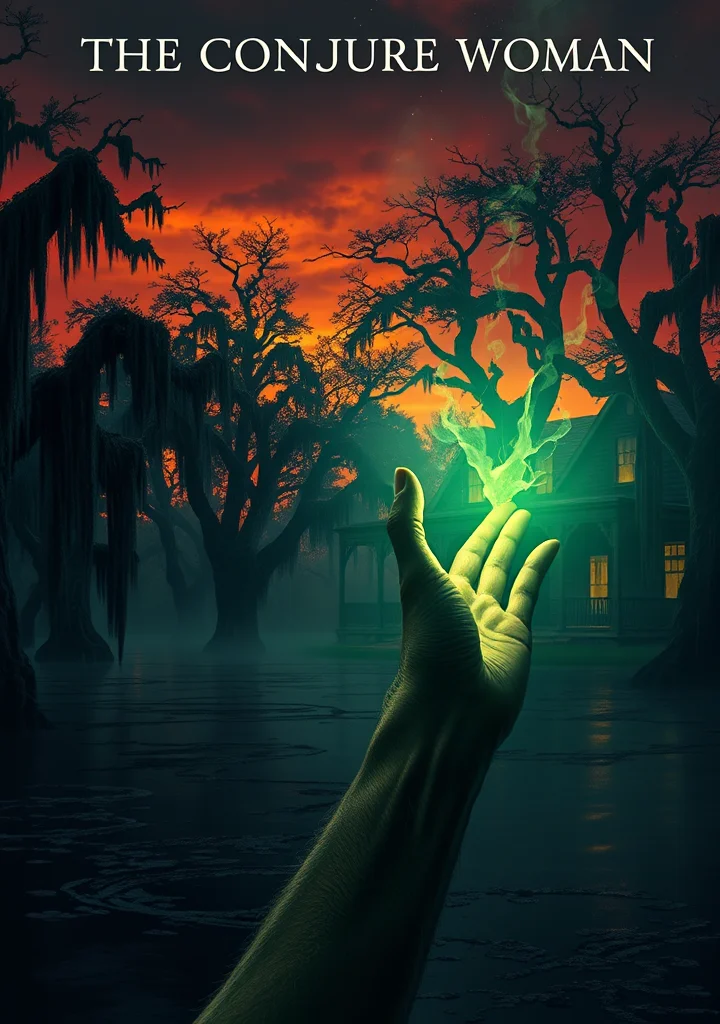
Dust hangs thick in the Louisiana cane fields, mirroring the suffocating secrets that cling to the decaying grandeur of the plantation house. Here, the line between the living and the dead blurs with every whisper of conjure, every flicker of swamp gas rising from the bayou. John Westerly, a white man haunted by ambition and a creeping dread, finds himself entangled with the power of the unseen after his wife’s illness leads him to seek the aid of a root woman, a woman steeped in the old ways. But her healing comes at a price, a debt paid in shadows and steeped in the lore of a people who’ve held onto their magic through generations of bondage. The air is heavy with the scent of jasmine and decay, laced with the metallic tang of fear. Every glance from the enslaved, every rustle in the Spanish moss, carries a weight of unspoken knowledge. The narrative coils around itself like the vines choking the ancient oaks, revealing a slow unraveling of sanity as Westerly descends into a world where his rational mind clashes against the potent reality of folk magic. He’s drawn into a claustrophobic world where the conjured spirits of the enslaved seep into his dreams, and the boundaries of his own identity begin to dissolve into the miasma of the swamp. It’s a world where the shadows lengthen with each passing night, and the price of power is measured not in coin, but in pieces of a soul willingly surrendered to the darkness. The house itself breathes, groaning with the weight of forgotten histories, a silent witness to the bargains struck in the humid Louisiana night.
38 Part
A shadowed inheritance. The scent of magnolia and decay clings to the Louisiana plantation where Iola Leroy, a woman passing for white, is drawn into a web of concealed histories and simmering resentments. She moves as a phantom through drawing rooms lit with candelabra fire, her own past a carefully constructed illusion. The air thickens with the whispers of those she has left behind—the mother she can barely recall, the stolen childhood, the weight of a lineage fractured by the auction block. But the house itself breathes with a history far older than its owners, a history woven into the very timbers and draped in the Spanish moss that suffocates the grounds. Every chipped porcelain doll, every tarnished silver frame, seems to watch her with vacant, accusing eyes. Iola’s every kindness is met with a chilling politeness that hides a predatory hunger. The narrative unravels like a tapestry frayed by moths—fragments of letters, snatched conversations overheard in darkened hallways, the slow, deliberate reveal of a secret that threatens to consume Iola’s fragile composure. A sense of creeping dread permeates the narrative, born not from overt violence, but from the stifling weight of expectation, the suffocating silence of complicity, and the ever-present fear of exposure. The garden blooms with poisonous beauty, mirroring the delicate lies upon which Iola’s existence is built. The novel is a slow descent into a haunted landscape of the heart, where the boundaries between self and shadow blur, and the price of freedom is measured in stolen breaths and half-truths.