
-
Read 1.4K
-
0
-
Part 122
Completed, First published Mar 02, 2026
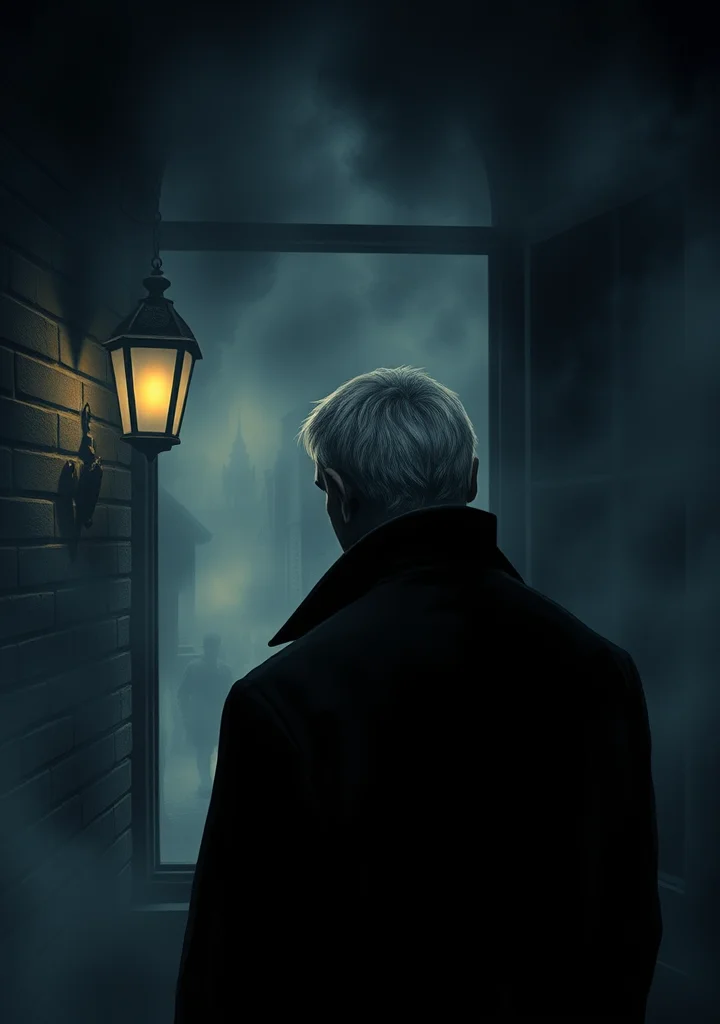
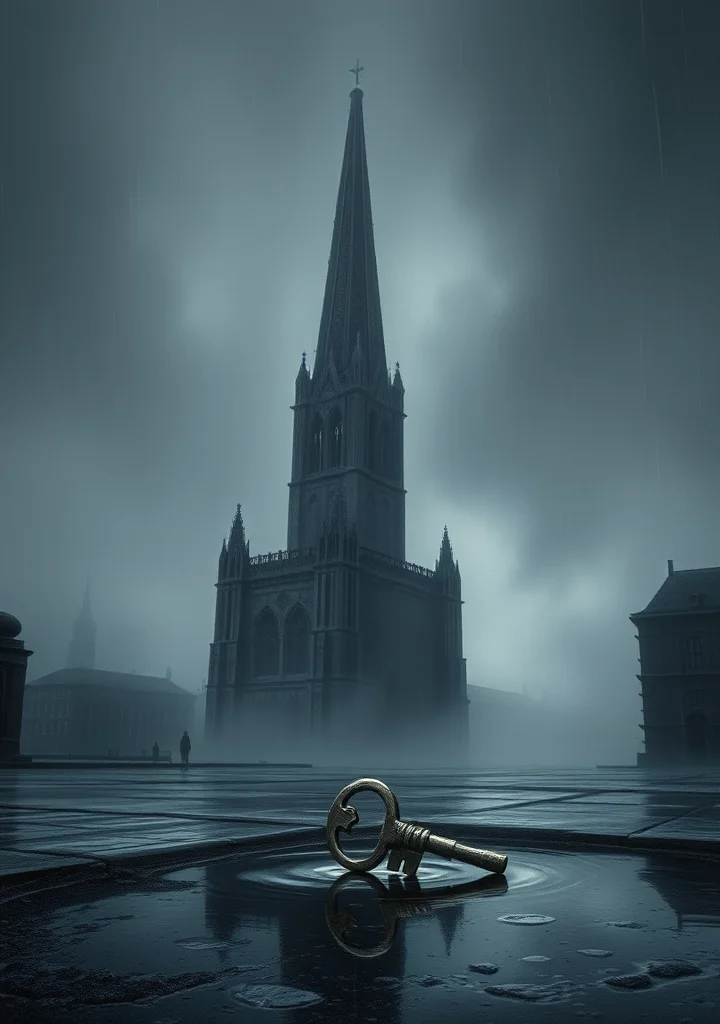
A creeping dampness clings to every page, mirroring the suffocating fog that shrouds the lives within. This is a story of shadowed rooms and the relentless ache of unfulfilled desire, where the cathedral’s stone gaze feels heavier than any confession. The protagonist, bound not by chains but by an obsessive, consuming devotion, moves through a world rendered in shades of grey—the grey of London rain, the grey of moral ambiguity, the grey of a life lived perpetually in the shadow of another’s will.
Each encounter feels like a slow bleed, a gradual erosion of self into the mire of another’s suffering. The narrative isn't one of dramatic outbursts, but of a quiet, agonizing attrition—a rot within the heart, masked by polite society’s brittle composure. There’s a sickness here, not of the body, but of the spirit, born of loneliness and the desperate, clawing need to *belong* to something, even if that belonging is built on the foundations of pain.
The air hangs thick with regret, with the knowledge that every gesture, every whispered word, pulls the characters further into a labyrinth of their own making. It's a world where escape is a phantom limb, and the only true solace lies in the acceptance of a beautiful, terrible decay. The weight of unspoken needs and the slow, deliberate fracturing of a soul echo long after the final page is turned, leaving a residue like dust motes dancing in a dying sunbeam.
Copyright: Public Domain
This license allows anyone to use your story for any purpose, including printing, selling, or adapting it into a film freely.
This license allows anyone to use your story for any purpose, including printing, selling, or adapting it into a film freely.
Recommended for you