
The Big Bow Mystery
  • 94
  • 0
  • 16
  • Reads 94
  • 0
  • Part 16
Completed, First published Mar 02, 2026

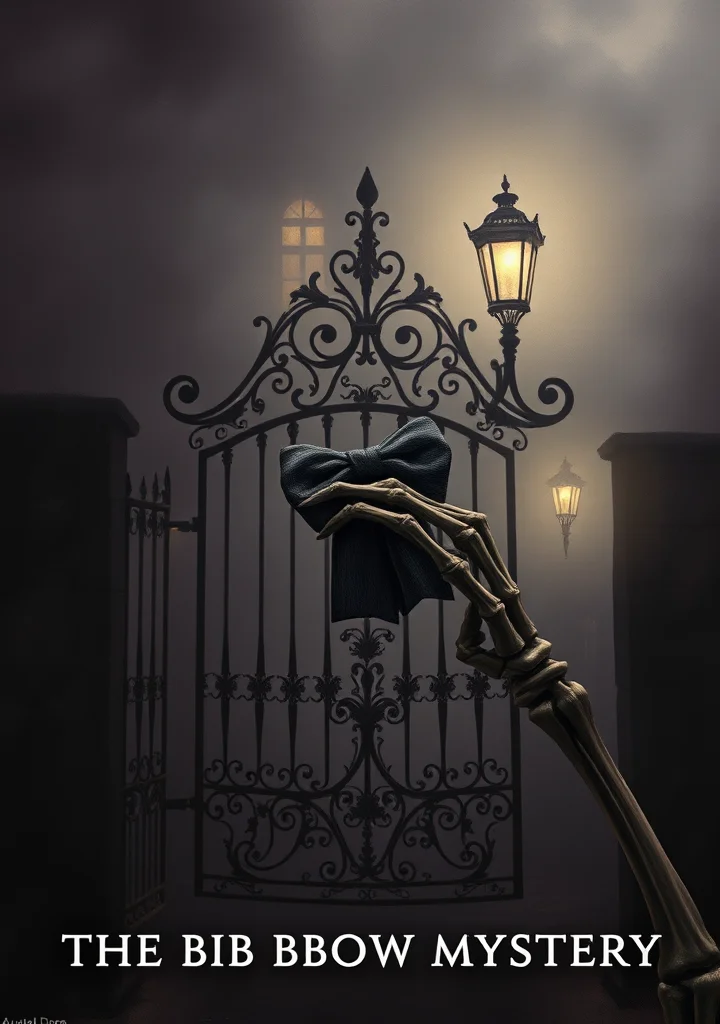
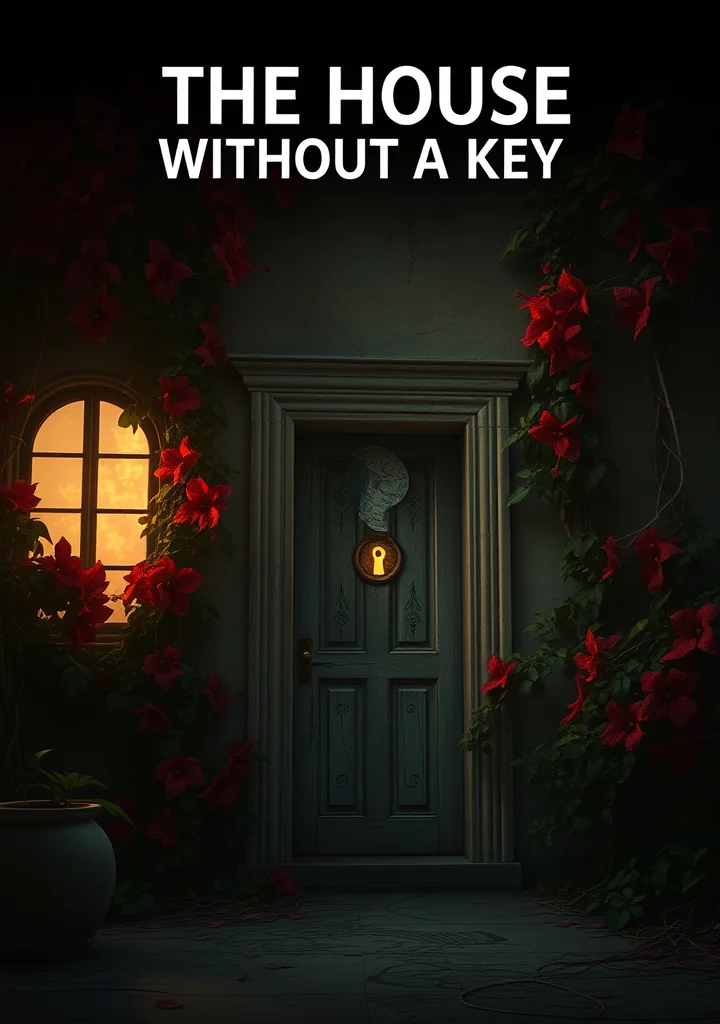
A suffocating London fog clings to the cobbled streets, mirroring the miasma of suspicion that settles over the grand, decaying mansion of the Big Bow estate. Within its shadowed halls, a fortune hangs suspended by the frail thread of a dying man’s confession—a confession whispered not of theft, but of a monstrous, inherited guilt. The house itself breathes with secrets; each ornate carving, each dust-moted beam, a silent witness to generations of shadowed dealings. A web of familial obligation, fueled by avarice and veiled in Victorian propriety, constricts the investigation. The scent of lilies and decay permeate the air as a detective, more observer than agent, navigates a labyrinth of deceit. This is not a pursuit of a stolen jewel, but a descent into the suffocating darkness of a family’s soul, where the true crime is not what was taken, but what was *allowed* to fester. The oppressive weight of London society—its rigid codes and suffocated desires—becomes a character in itself, a chilling accomplice to the unraveling of a legacy steeped in shame. Every creaking floorboard, every extinguished candle, echoes with the specter of a truth buried beneath layers of lace, lineage, and the chilling inevitability of inherited despair.
Copyright: Public Domain
This license allows anyone to use your story for any purpose, including printing, selling, or adapting it into a film freely.
Recommended for you
12 Part
A creeping dread clings to the Scottish Highlands, a suffocating weight born not of stone and shadow, but of ambition and icy calculation. Buchan doesn’t offer roaring castles or spectral apparitions, but a far more insidious haunting – the slow, deliberate erosion of a man’s soul within the brutal architecture of his own making. The estate of Aird’s Glen isn’t merely a house, but a fortress of will, built upon a foundation of stolen secrets and shadowed deeds. The air within its walls is thick with the scent of peat smoke and the ghosts of fortunes won and lives broken. It’s a place where the very landscape seems to conspire to conceal, and the silence holds a tremor of violence barely contained. Every polished surface, every perfectly aligned stone, reflects a ruthlessness that chills the bone. The narrative doesn’t rush towards a climax, but coils like a viper in the darkness, tightening with each whispered conversation, each carefully placed rumour. The true horror isn’t what is *in* the Powerhouse, but what it *becomes* – a monument to the terrifying elegance of a man who dares to play God amongst the heather and the rain. The oppressive isolation isn't merely geographical, but a suffocating imprisonment within a mind determined to conquer not just land, but the very spirit of the glen itself. It’s a story where the landscape itself is a witness to sin, and the wind carries the lament of those consumed by its ambition.
32 Part
The salt-laced wind howls through skeletal chaparral, mirroring the desperation clawing at the throats of men adrift in a California bleached bone-white by sun and regret. Edison Marshall doesn’t offer cowboys or gunfights, but a creeping dread born of isolation, of land that swallows men whole and spits out their ghosts to wander the canyons. Here, the ranchers—the “shepherds”—are less masters of cattle than wardens of a crumbling dominion, haunted by the specter of Spanish conquest and the whispers of native spirits driven to madness. Dust devils dance with the memories of slaughtered herds, the phantom cries of women lost to the desert’s embrace. The narrative unfolds as a slow bleed of violence, not from quick draws but from the rot within families fractured by ambition and thirst. Every cracked adobe wall breathes with the weight of inherited sins, every shadow cast by a Joshua tree seems to lengthen into the shape of a noose. The land itself is a character—a vast, indifferent god demanding sacrifice. The men who cling to it, driven by a desperate need to build something lasting from dust and decay, are shadowed by the realization that they are building their tombs, not empires. This isn't a tale of the West won, but of the West *consuming*, leaving only hollowed men and the bleached bones of a kingdom built on sand. The air is thick with the scent of sage and the metallic tang of blood, both old and freshly spilled, clinging to the canyons like a shroud.