
-
Read 192
-
0
-
Part 7
Completed, First published Mar 02, 2026
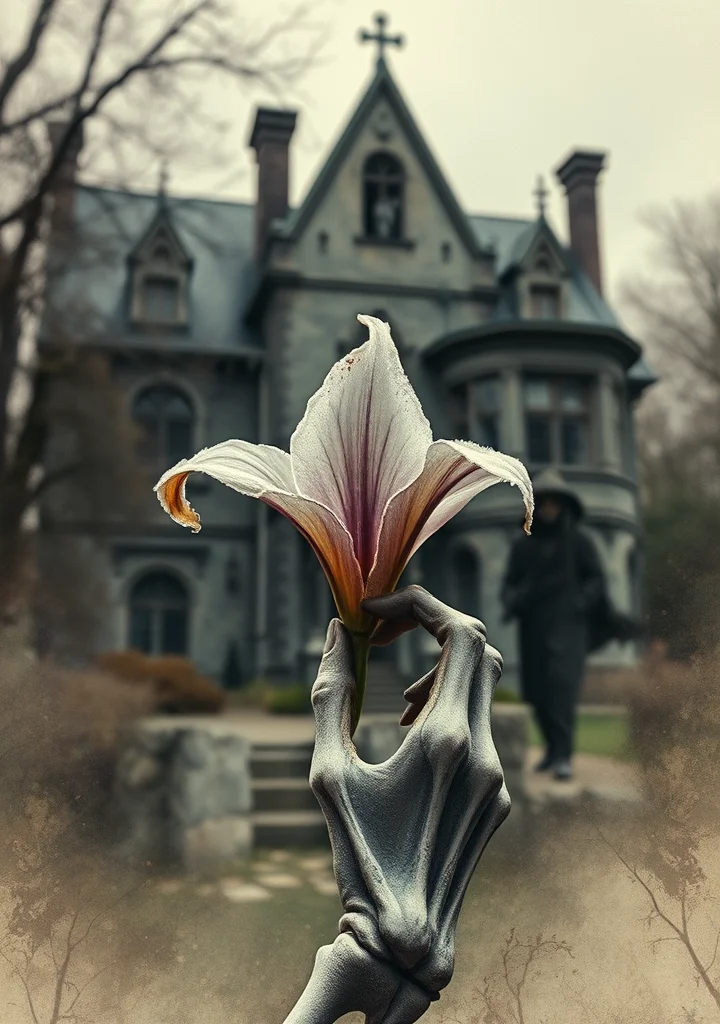
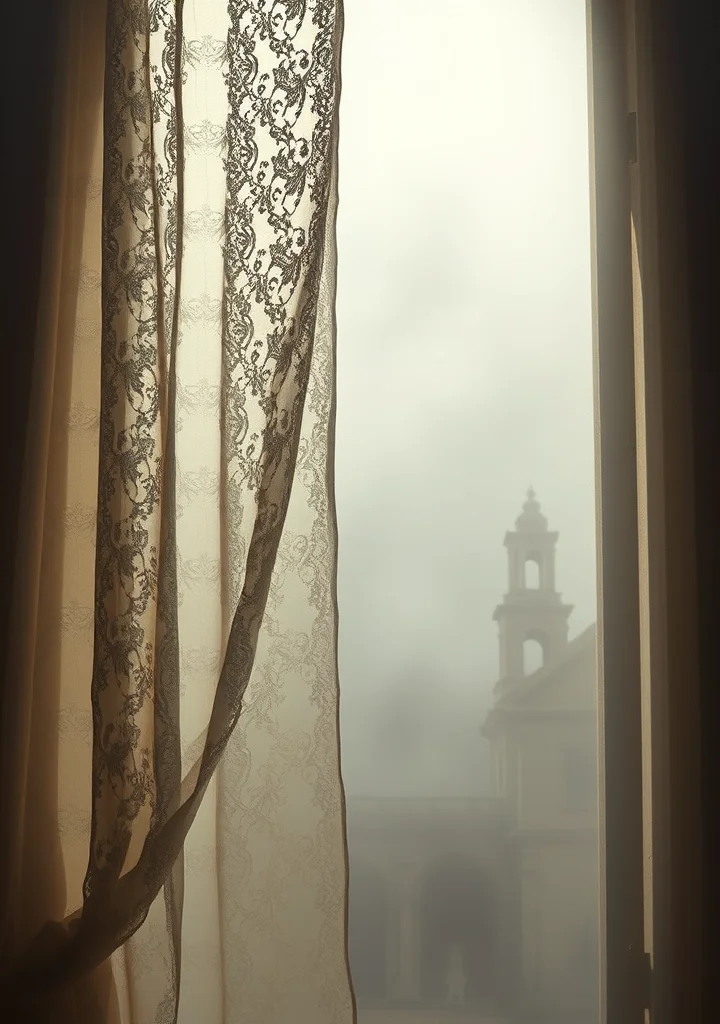
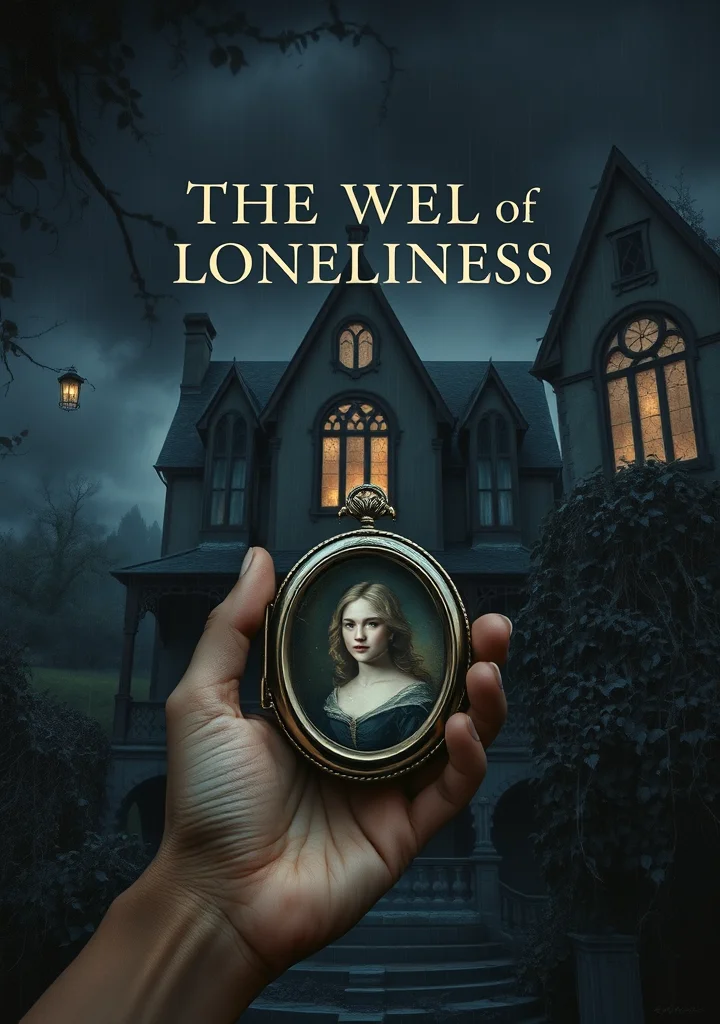
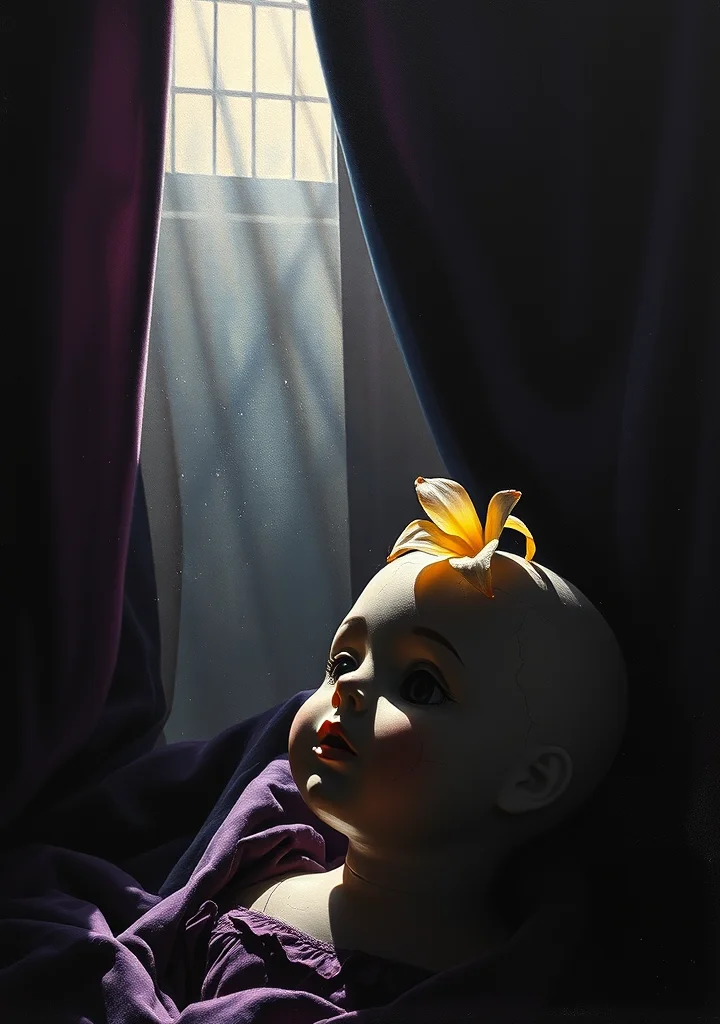
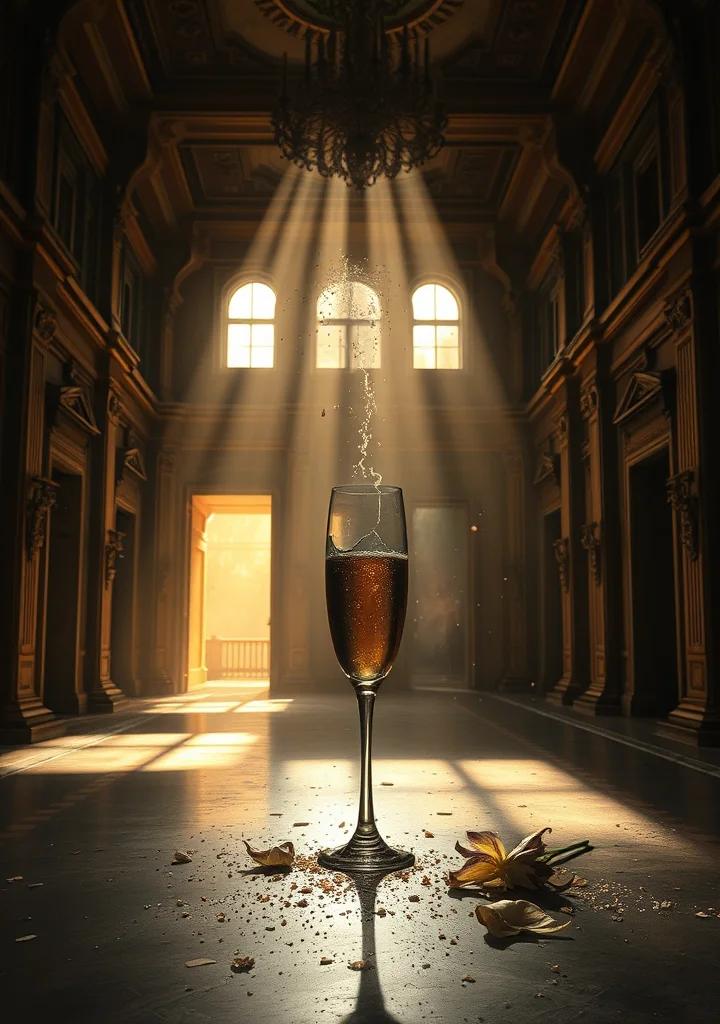
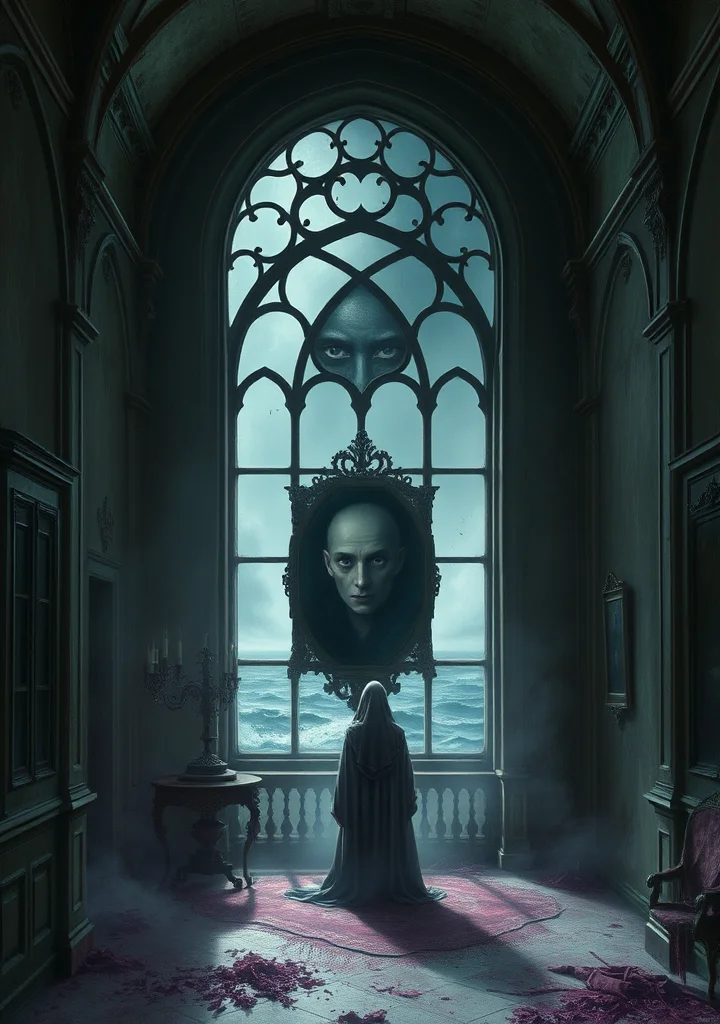
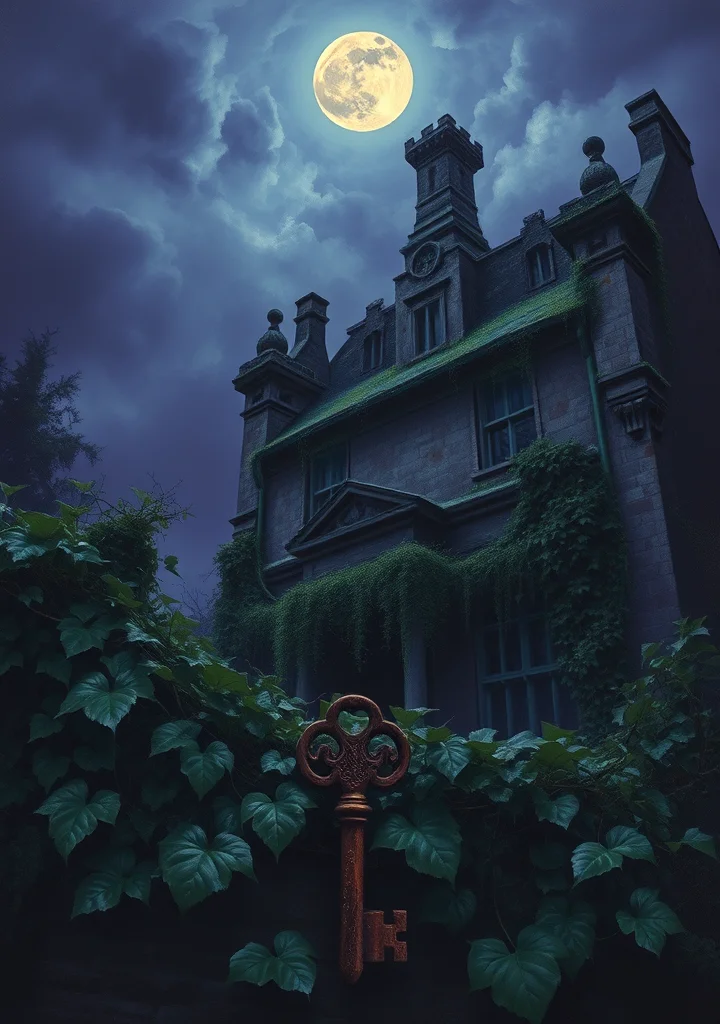
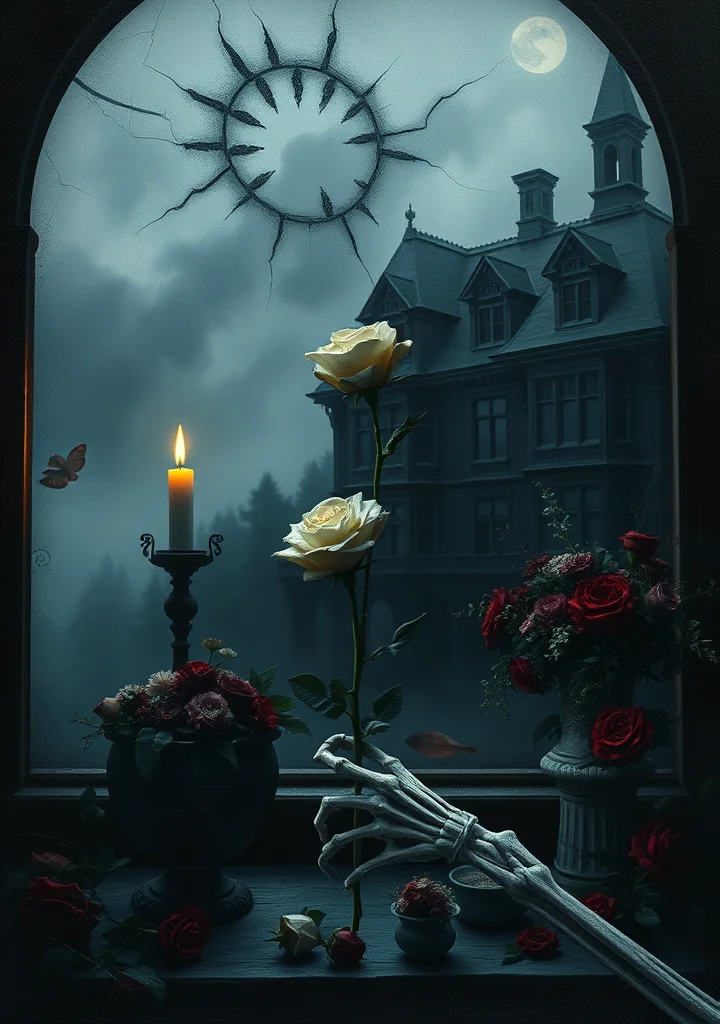
The fjord hangs shrouded in perpetual mist, mirroring the decay within the manor of the Lind family. A creeping dread clings to the stones, born not of spectral apparitions, but of the rot festering within the living. Old wounds, long-stitched over with propriety and silence, bleed anew with each shadowed corner and whispered accusation. This is a house haunted by the weight of unfulfilled desires, the stifled screams of ambition strangled by circumstance, and the ghosts of reputations meticulously constructed only to crumble under the weight of their own lies. The air itself is thick with the scent of brine and regret, a suffocating perfume that clings to the skin like a confession. Each darkened hallway breathes with the unspoken horrors of a lineage bound by inherited shame. It isn’t the dead who stalk these halls, but the specters of what *could have been*, the suffocating presence of what *is*, and the chilling premonition of what *will be*—a legacy of decay etched onto the faces of those who remain, trapped within a crumbling edifice of their own making. The cold seeps in, not from the winter winds, but from the glacial indifference of hearts long since turned to stone. A slow, insidious unraveling, where the true monsters are not born of the supernatural, but of the insidious corrosion of the human soul.
Copyright: Public Domain
This license allows anyone to use your story for any purpose, including printing, selling, or adapting it into a film freely.
This license allows anyone to use your story for any purpose, including printing, selling, or adapting it into a film freely.
More like this