
Chat Party Secrets
  • 51
  • 0
  • 12
  • Read 51
  • 0
  • Part 12
Completed, First published Jun 26, 2026

The story opens onto a chaotic digital world as Chris initiates a group chat, quickly descending into a flurry of rapid-fire messages and impulsive interactions among twenty-four participants. These initial chapters follow the unfolding plans for a party hosted by Geoff, fueled by promises of food and awkward bartering between attendees. The narrative traces the escalating energy of the party itself, detailing a game of truth or dare that leads to unexpected consequences – including a surprising arrest – and awkward encounters fueled by secret crushes and mistaken identities. These sampled chapters hint at a humorous exploration of teenage social dynamics and the messy realities of navigating adolescence.
Copyright: All Rights Reserved
No person is allowed to use, redistribute, or modify your work in any form without your explicit permission.
Recommended for you

22 Part
The salt-laced air of the Northumbrian coast clings to every page, thick as the fog that coils around the crumbling manor of Blackwood Hall. Edgar Saltus weaves a tale of shadowed inheritances and a man unravelled by his own morbid curiosity. Mr. Incoul, a collector of forgotten ephemera, stumbles upon a legacy not of wealth, but of creeping dread—a lineage bound to the sea’s cold embrace and the whispers within Blackwood’s decaying walls. Each chapter descends further into the labyrinthine history of the Incoul family, unveiling portraits whose eyes follow you through darkened hallways and journals filled with the ravings of a mind fractured by solitude. The narrative breathes with the damp rot of ancient stone and the echoing cries of gulls circling above the storm-battered cliffs. A suffocating sense of isolation permeates the story, mirrored in the desolate landscapes and the decaying elegance of the manor itself. Incoul's investigation is not merely a search for the past, but a slow immersion into a madness that clings to the very timbers of Blackwood Hall. The further he delves, the more the line between observer and observed blurs, until the reader, like Incoul, finds themselves adrift in a sea of spectral whispers and the chilling weight of a history best left undisturbed. The story doesn't offer escape, but a descent – a haunting unraveling of sanity within a landscape steeped in the scent of brine and decay.
45 Part
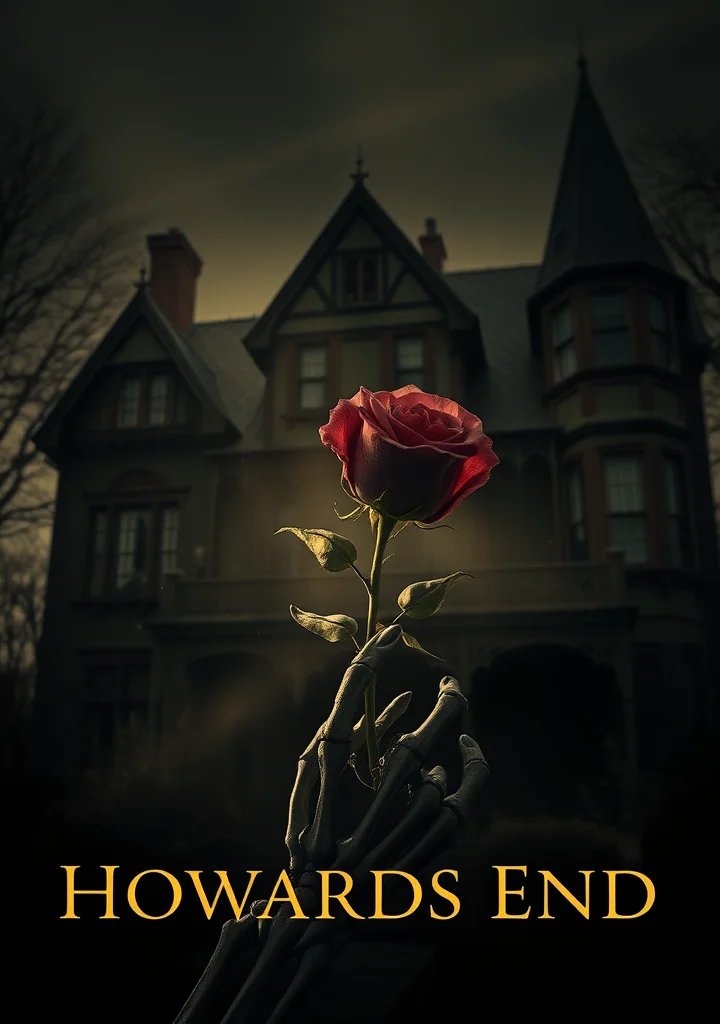
Dust motes dance in the perpetual twilight of Howards End, a house steeped in the slow decay of England’s soul. The scent of dying roses clings to the shadowed hallways, mirroring the stifled desires and unspoken griefs of those drawn to its orbit. It is a place where the past isn’t merely remembered, but *breathes* within the walls, a weight upon the chests of its inhabitants. A chill, born not of the English climate but of fractured inheritance, permeates the very brick and mortar. The narrative unfolds as a creeping fog, obscuring the boundaries between lives intertwined by circumstance and haunted by ancestral echoes. A delicate, brittle web of connection – and possession – stretches between the Schlegel sisters and the pragmatic, self-made Wilcox family. Each encounter is shadowed by a quiet desperation, a yearning for something lost or never possessed. The atmosphere is one of elegant claustrophobia: grand rooms filled with the silence of unfulfilled longing, gardens overgrown with the thorns of regret. A sense of inevitable entanglement pervades the prose, mirroring the insidious growth of ivy across the ancient stone. It is a story told in half-tones, in the rustle of silk against the gloom, in the unspoken tension of shared meals and stolen glances. The tragedy isn’t found in dramatic outburst, but in the slow erosion of hope, the stifling of breath within the gilded cage of social expectation. A haunting, pervasive melancholy clings to the pages like the damp earth of an English autumn.
37 Part
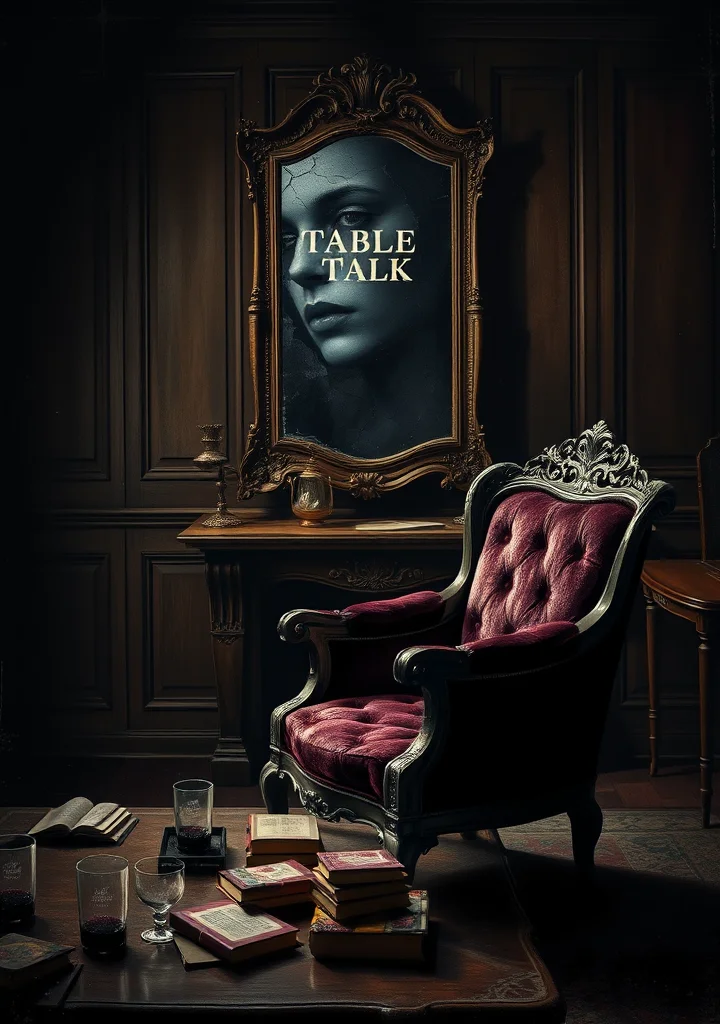
Dust motes dance in the perpetual twilight of shadowed parlors, mirroring the fractured reflections within Hazlitt’s prose. *Table-Talk* isn’t merely conversation; it is the exhumation of ghosts—not those of the dead, but of ideas, regrets, and the slow, corrosive decay of London society. Each essay, a chipped shard of a broken looking-glass, reveals a distorted portrait of the age, haunted by the specter of its own vanities. The voice is brittle, intimate, as if overheard through a crack in the wall, a feverish monologue delivered in the gloom. There’s a pervasive chill—not of winter, but of disillusionment—that seeps into the marrow of the sentences. The author dissects, not with surgical precision, but with the casual cruelty of a man tracing the lines of a skull. He lingers over the grotesque, the absurd, the moments where public spectacle curdles into private despair. A sense of claustrophobia clings to the pages; the air thick with the scent of stale tobacco and forgotten grievances. The narrative is less a journey than a slow unraveling—a descent into the labyrinth of the author’s own melancholic temperament. One feels the weight of unspoken histories, the oppressive silence of unacknowledged debts. It’s a book for those who find comfort not in illumination, but in the shadowed corners of the world, where the whispers of the past cling to the velvet curtains and the cobwebs of the mind. The final impression is one of being left alone in a decaying library, surrounded by the ghosts of conversations long since ended, and the haunting realization that every table has its own secret, and every voice, its own void.