
Pagi yang Berkilau di Crystal High
  • 12
  • 0
  • 3
  • Read 12
  • 0
  • Part 3
Ongoing, First published May 24, 2026

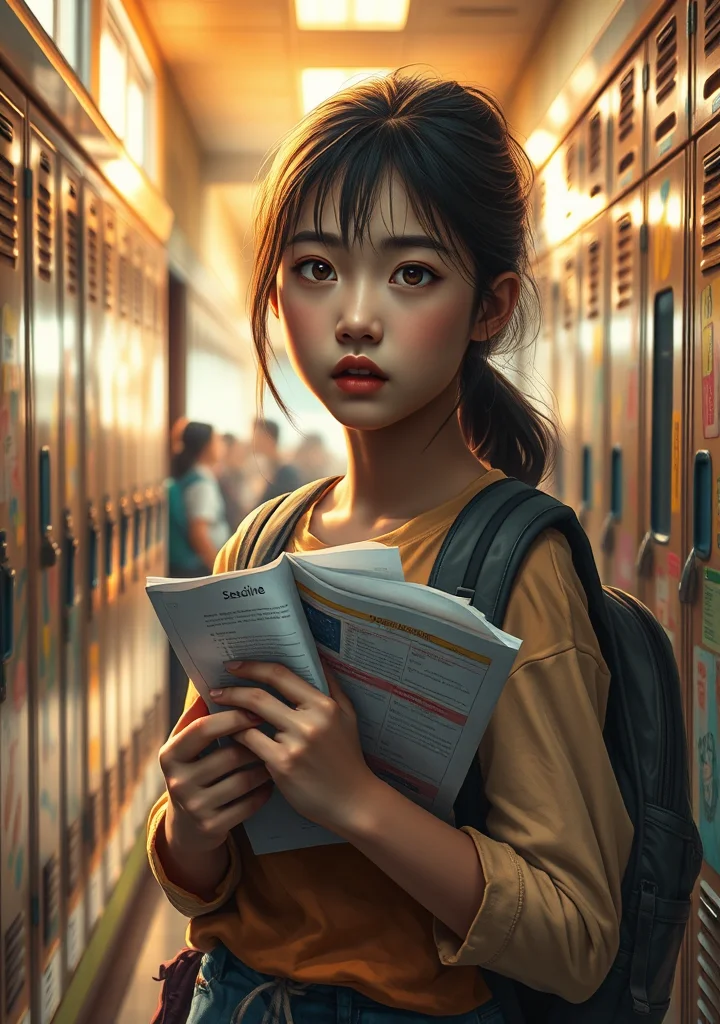
Kisah ini dimulai pada hari pertama Jumoke melalui lingkungan sekolah yang baru. bab-bab ini mengikuti persiapannya yang cermat untuk sekolah bersama dengan rutinitas yang akrab dari pagi keluarga yang sibuk. ketika Jumoke memulai kelasnya di Crystal High School, dia mengalami kekhawatiran dan koneksi harapan dari hari pertama, menemukan persahabatan di tengah-tengah tantangan awal. dan tantangan-tantangan yang membuat frustasi pada hari Senin pagi yang penuh dengan persaingan saudara kandung dan kompleksitas kehidupan, termasuk pertemuan dengan saingan dan otoritas. adegan awal ini mengungkapkan dunia yang dibentuk oleh rutinitas sehari-hari, keluarga dinamis, dan tantangan-tantangan masa remaja.
Copyright: All Rights Reserved
No person is allowed to use, redistribute, or modify your work in any form without your explicit permission.
Recommended for you

27 Part
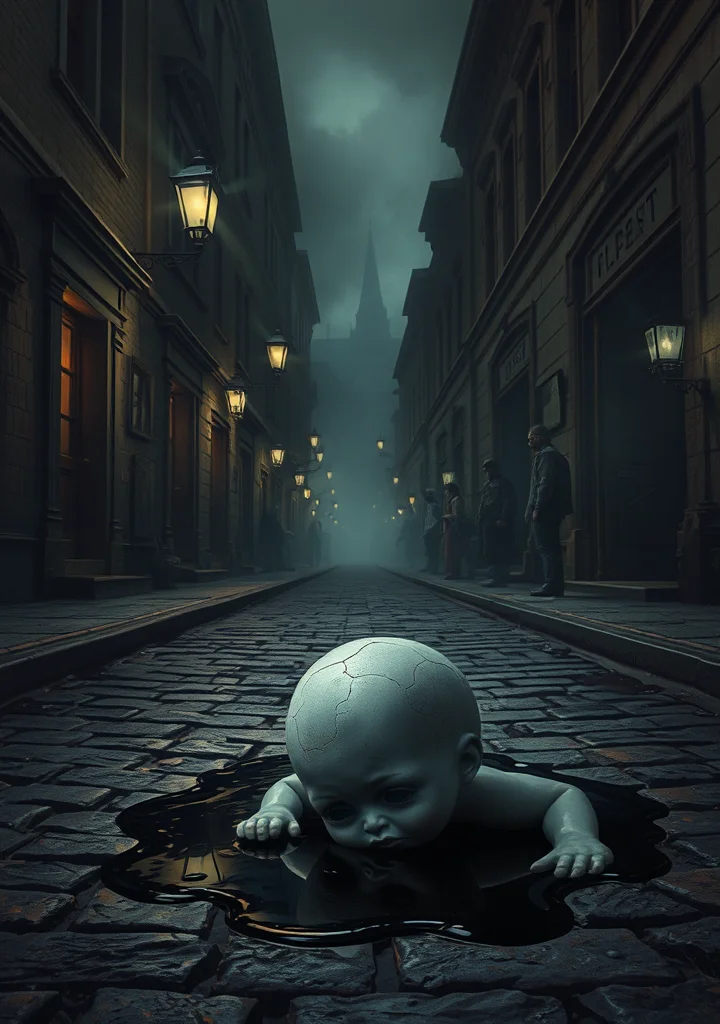
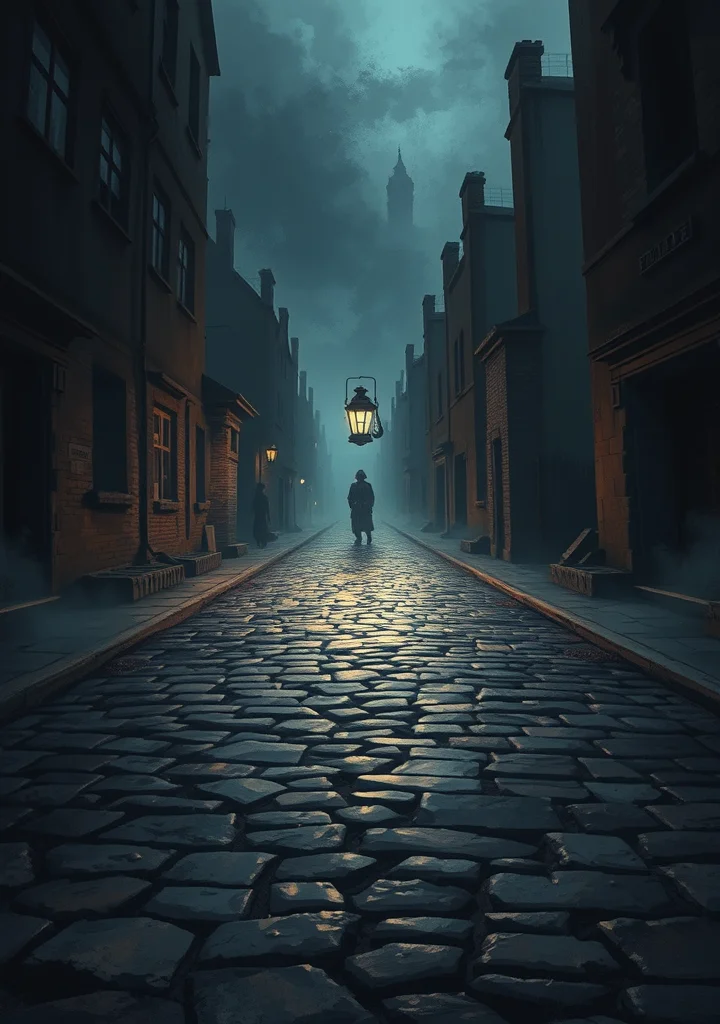
A creeping rot clings to the cobblestones of this unnamed city, where shadows stretch from gas lamps to strangle the last embers of hope. Jean Grave doesn't offer grand narratives of rebellion, but rather a descent into the marrow of decay, a slow unraveling witnessed through the eyes of those already half-consumed by the void. The air itself is thick with the stench of burnt ambition and the whispered anxieties of a populace fractured not by class, but by a creeping nihilism. Every alleyway breathes with the weight of forgotten gods and the hollow laughter of those who’ve traded their souls for fleeting moments of control. There’s no explosive uprising here, only the insidious bloom of apathy, a willing surrender to the encroaching darkness. Characters drift through decaying salons and labyrinthine sewers, their faces gaunt, their desires reduced to a desperate scramble for warmth and oblivion. The prose is less a story and more a haunting echo of fractured consciousness. It's a suffocating claustrophobia of crumbling brick, the metallic tang of blood on the tongue, and the chilling realization that the true anarchy isn't *against* society, but *within* it—a silent, internal crumbling of the will to resist the inevitable. This is not a revolution; it’s a slow, deliberate drowning in the silt of despair, where the last flickering embers of humanity are extinguished one by one, swallowed by the yawning maw of nothingness. The city *is* the monster, and it feeds on the ghosts of its own making.