
Call Mr. Fortune
  • 111
  • 0
  • 13
  • Reads 111
  • 0
  • Part 13
Completed, First published Mar 02, 2026

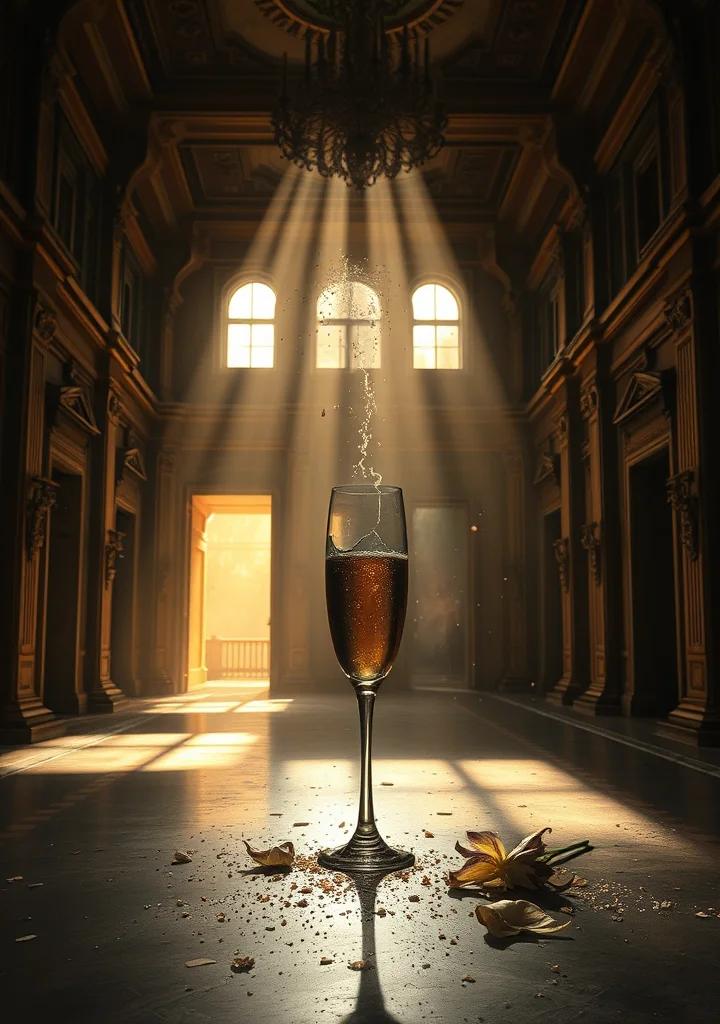
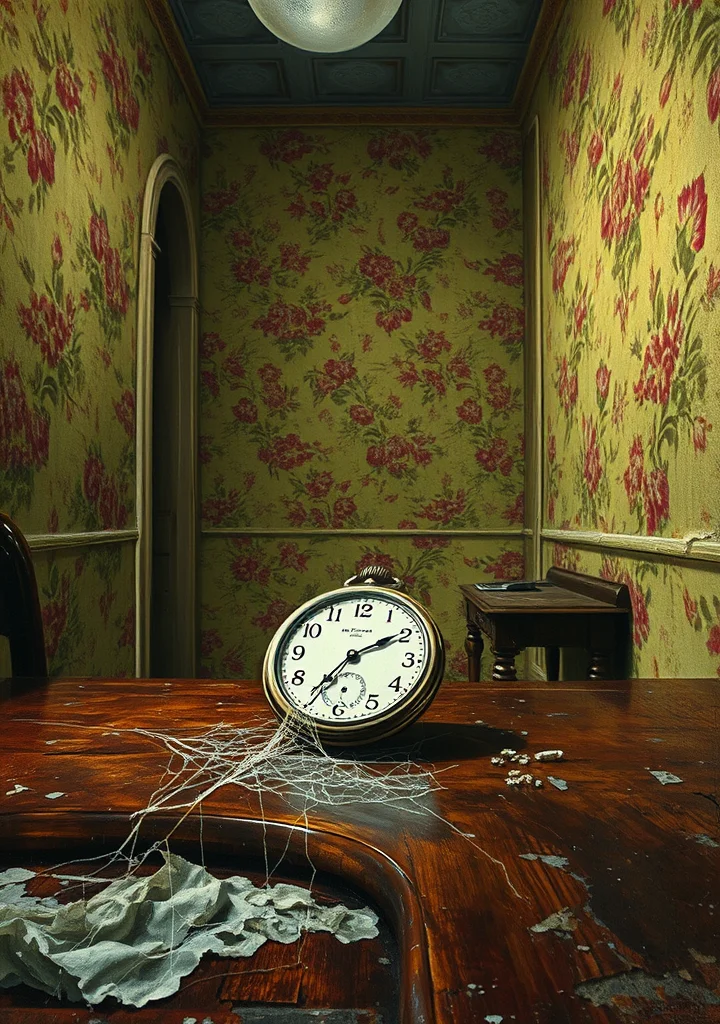
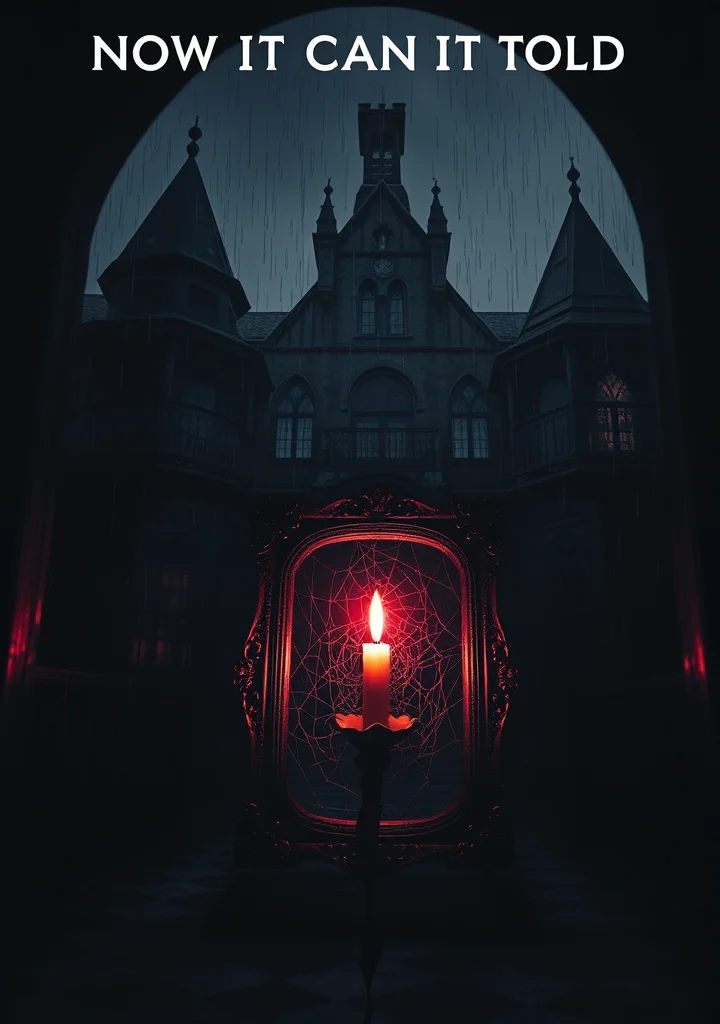
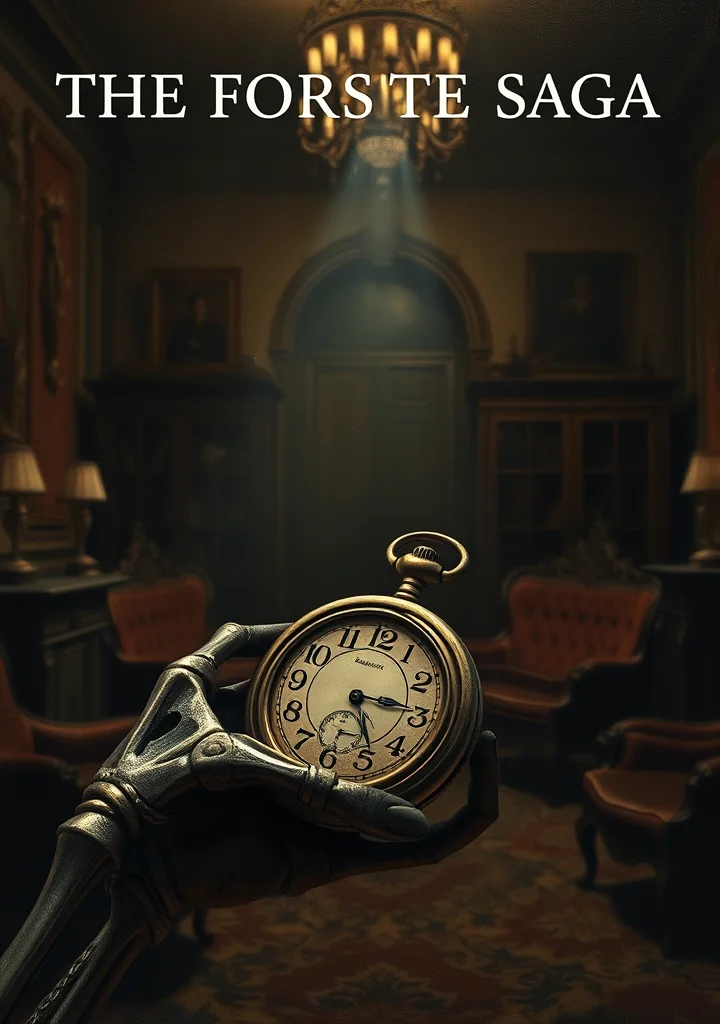
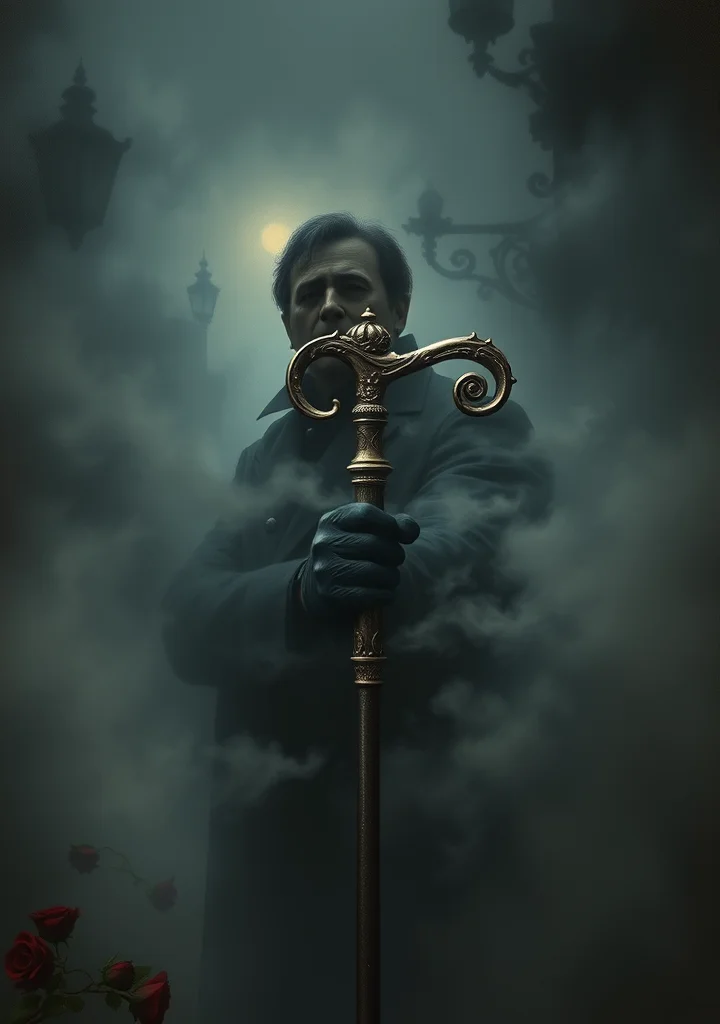
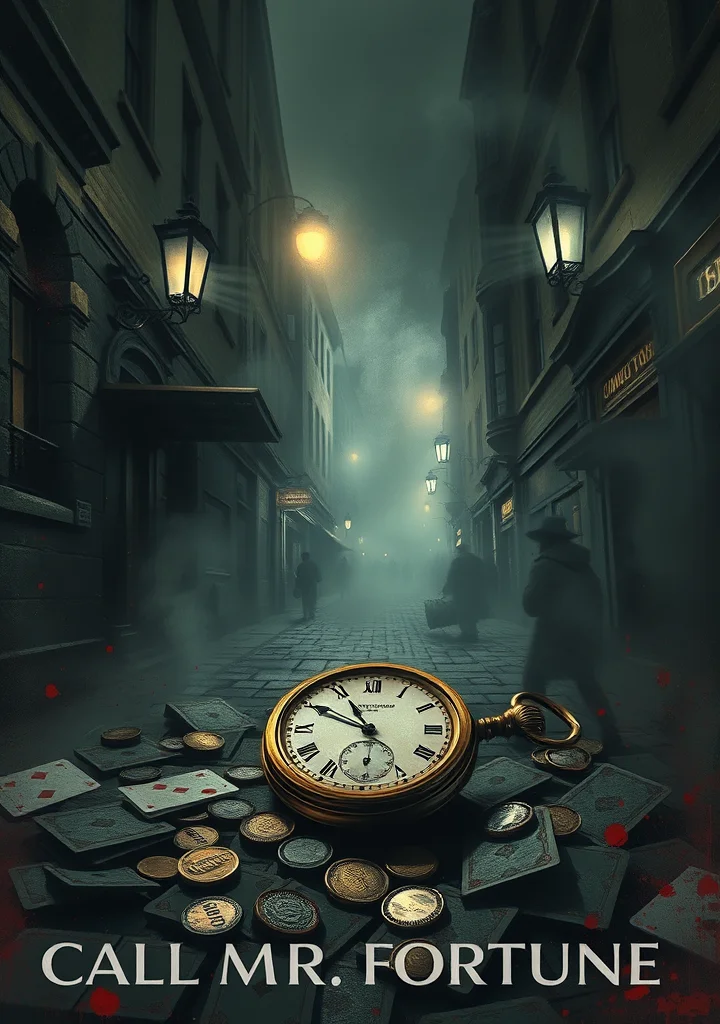
A creeping dread clings to the fog-choked streets of London, where the fortunes of Mr. Silas Fortune unravel with each whispered rumour. He’s a man built of shadows, a collector of secrets for those who can afford to pay—and pay handsomely—for their silence. But the price of his services, steeped in the city’s underbelly, is not merely coin. It’s fragments of a life, slivers of memory, and the slow erosion of a soul. Each case, a labyrinth of gaslit alleys and decaying mansions, pulls him deeper into a mire of blackmail, obsession, and the morbid theatre of the wealthy. The air hangs thick with the scent of decay—not just of buildings, but of ambition gone sour. His flat, a repository of stolen letters and illicit photographs, mirrors the fractured lives he pieces together. The silence between appointments is punctuated only by the drip of rain against the windowpanes and the phantom echoes of the stories he’s buried within the city’s heart. It’s a world where a single, carelessly dropped name can trigger a cascade of consequences, and where the true currency isn’t gold, but the fragile, desperate hopes of those who believe they can buy their way out of darkness. Every transaction leaves a stain, and Silas Fortune is drowning in them.

Copyright: Public Domain
This license allows anyone to use your story for any purpose, including printing, selling, or adapting it into a film freely.
Recommended for you
30 Part
A creeping chill clings to these pages, not of snow-bound landscapes alone, but of a loneliness that permeates the very fjords and shadowed forests. Wollstonecraft’s letters unravel a journey not merely through Scandinavian vistas, but through the fractured landscapes of a woman wrestling with grief, disillusionment, and the suffocating weight of societal expectation. The prose is steeped in a melancholic haze, mirroring the perpetual twilight of the northern realms. Each observation – a peasant’s cottage, a royal court, a desolate stretch of coastline – is rendered with a delicate, almost spectral clarity, haunted by the author’s internal turmoil. There’s a pervasive sense of isolation, amplified by the vastness of the scenery. The narrative doesn't simply *describe* Norway; it *becomes* Norway – a place where the heart, stripped bare by loss, echoes with the silence of ancient stones. A subtle dread permeates the descriptions of prisons and political unrest, hinting at a darkness beneath the veneer of civility. The letters themselves become fragments of a broken mirror, reflecting not just the author's travels, but the fractured state of her own soul, adrift in a land where the boundaries between reality and reverie blur with the long, encroaching shadows. The very air seems to whisper of forgotten tragedies, and a chilling premonition of the author's own unraveling.
30 Part
A suffocating dread clings to the timbers of the *Grampus*, and spills onto the icy shores of the Antarctic. Poe’s narrative isn’t merely a voyage; it’s a descent into the marrow-deep loneliness of the human condition. The narrative unravels not with grand spectacle, but with the slow, creeping rot of despair. Arthur Gordon Pym’s tale is one of escalating claustrophobia—first within the confines of a mutinous whaling vessel, then within the suffocating embrace of a desolate, white wilderness. The prose itself mimics the fracturing of Pym’s sanity. Sunken landscapes of feverish delirium rise from the pages, populated by phantom cannibals and the oppressive weight of unnameable horrors. The reader is not shown a monster, but *feels* it lurking in the ship’s hold, in the lengthening shadows of the Southern seas, in the echoing silence of the final, obsidian-walled chamber. The narrative’s true horror isn’t found in what is described, but in what remains stubbornly *unseen*—the vast, echoing emptiness beyond reason, the encroaching madness mirrored in the increasingly fractured narrative, and the chilling realization that Pym’s salvation may be a fate far more terrible than death itself. A suffocating atmosphere of isolation, punctuated by the chilling whisper of the unknown, permeates every line, leaving the reader adrift on a sea of dread, haunted by the echoes of a descent into the abyss.
27 Part
A creeping dread clings to these tales, woven from the dampest corners of the human psyche and the echoing silences between worlds. Blackwood doesn’t offer horror in the conventional sense, but a chilling unraveling of perception, where the veil thins and something ancient, something *other*, observes from just beyond the reach of lamplight. John Silence, a blind man gifted – or cursed – with an interior vision, navigates a landscape of shadowed sanatoriums, fog-choked moorlands, and the suffocating weight of inherited trauma. His stories aren’t of monsters, but of resonances—a subtle discordance in the fabric of reality that preys on the vulnerable. Each encounter leaves a residue of unease, a blurring of the boundaries between sanity and dissolution. The atmosphere is one of perpetual twilight, a stifling stillness where every creak of the floorboard, every flicker of gaslight, suggests a presence unseen, yet intimately felt. These aren't tales to be *read*, but to be *absorbed*, like a slow poison seeping into the marrow of your bones. The true terror lies not in what Silence *sees*, but in the realization that what he perceives may already be within you, waiting to bloom in the darkness. Expect not jump scares, but the lingering chill of a forgotten room, a face glimpsed in the periphery, and the unsettling certainty that some doors are best left unopened. The stories breathe with a melancholic beauty, a haunting melody born from the decay of reason and the echoes of a world just beyond our grasp.
38 Part
Beneath a perpetual twilight, where the cobbled streets of Oxford bleed into the encroaching shadows of dreaming spires, a labyrinth unfolds. Not of logic, nor reason, but of whispers and half-remembered fears. The air hangs thick with the scent of decaying roses and damp earth, clinging to the hems of coats worn thin by regret. A scholar, haunted by a melody only he can hear – a tune woven from moth wings and the rustling of forgotten prayers – finds his investigations twisting into corridors of mirrored reflections, each revealing a sliver of a fractured self. The city itself breathes with a feverish pulse, its inhabitants caught in a slow waltz with madness. Doors open into impossible angles, revealing parlours choked with velvet gloom and populated by figures whose faces shift with every glance. Every clock ticks backwards, unraveling the threads of time. The narrative unravels like a ribbon, tangled with threads of obsession, hinting at a darkness within the heart of academia. A creeping dread descends, born not of malice, but of the unsettling realization that the very foundations of reality are built upon a foundation of delicate, brittle lies. It is a descent into a world where the boundaries between waking and dreaming blur, where the echo of a forgotten smile can drive a man to the brink of despair, and where the most innocent of riddles conceal the key to a suffocating, unspoken terror. The garden is overgrown, the tea party is never ending, and the rabbit hole leads not to Wonderland, but to a suffocating, elegant rot.