
Florence Family Pranks
  • 40
  • 0
  • 7
  • Read 40
  • 0
  • Part 7
Completed, First published May 12, 2026

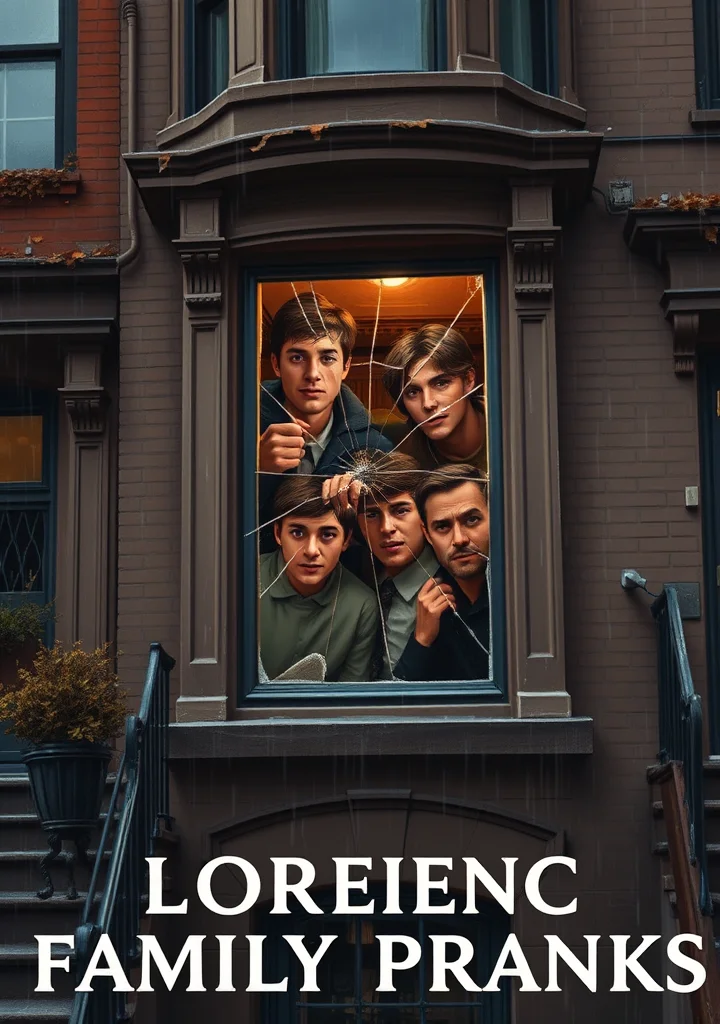
The novel follows Gia Florence, a young accountant navigating both her career and a complex family life within a Brooklyn mansion shared with her four brothers. These chapters reveal a history of romantic disappointments alongside Gia’s current, hopeful connection with Hayes Davies. However, familial tensions quickly escalate as Gia suspects her brothers are behind a disruptive prank, sparking a desire for revenge. As Gia navigates a strained relationship with Hayes, the narrative hints at escalating sibling rivalry and a series of escalating pranks that threaten to disrupt her life.
Copyright: All Rights Reserved
No person is allowed to use, redistribute, or modify your work in any form without your explicit permission.
Recommended for you
19 Part
A creeping dread clings to Blackwood Manor, a labyrinth of shadowed corridors and forgotten wings where the scent of decay rivals the perfume of jasmine. Within its stone embrace, Lord Ashworth’s heir is found strangled amongst the clipped hedges of the maze, a silver locket clutched in his frozen hand. But the labyrinth isn’t merely a garden folly; it’s a living, breathing entity mirroring the twisted loyalties and long-buried sins of the Ashworth family. Rain lashes against the leaded windows as Inspector Davies unravels a web of whispered accusations, secret engagements, and a legacy of madness. Each turn in the maze seems to echo with the phantom footsteps of the deceased, the rustling of silk skirts hinting at a spectral presence guiding Davies toward a truth steeped in betrayal. The house itself seems to conspire to conceal its secrets, its portraits watching with hollow eyes as shadows dance with the flickering candlelight. A suffocating claustrophobia descends with each discovered clue. The maze isn’t just a place to get lost in; it’s a tomb where the past refuses to stay buried. The killer walks among the living, shrouded in the same deceptive elegance as the manor’s decaying grandeur. The air thickens with the taste of arsenic and regret, promising a final, harrowing confrontation within the maze’s heart, where stone bleeds into darkness and the line between hunter and hunted dissolves into the echoing silence.
49 Part
A suffocating mist clings to Lost Man’s Lane, a ribbon of shadowed dirt winding through the decaying grandeur of the Van Alstyne estate. The air hangs thick with the scent of damp earth and forgotten things – a perfume of regret and lingering dread. Here, amidst crumbling stone and overgrown ivy, a disappearance unravels not as a simple vanishing, but as a slow erosion of truth. The narrative unfolds in fragments, whispers overheard through warped floorboards and shadowed windows. Each encounter feels weighted with unspoken accusations, the very stones of the Van Alstyne manor seeming to observe with silent judgment. A claustrophobic sense of confinement pervades; not just of place, but of circumstance. The characters move like moths drawn to a flickering flame, each harboring secrets within their shadowed hearts. The Lane itself seems to breathe, exhaling fragments of the past, twisting the present into a macabre echo of former lives. The narrative is less a straightforward investigation and more a descent into a labyrinth of inherited despair, where the boundaries between victim and perpetrator blur in the gathering gloom. Every rustle of leaves, every creak of a weathered door, promises a revelation steeped in the rot of family legacy and the chilling weight of what remains unsaid. A sense of inescapable finality permeates the atmosphere, suggesting that some losses leave not only a void, but a haunting claim upon those left behind.
12 Part
A suffocating dread clings to the steel decks and shadowed machinery of a transatlantic liner, where the brute force of labor grinds against a creeping, animalistic despair. The air itself is thick with coal dust and the greasy tang of engine rooms, mirroring the primal urges stirring within the hulking, ape-like figure of Paddy Donovan. He’s a man reduced to muscle and instinct, a creature of the hold, yet haunted by a phantom touch, a fleeting glimpse of something *other* than grime and iron. The narrative descends into a feverish, claustrophobic descent through the ship’s bowels—a world of flickering gaslight and the rhythmic throb of pistons, echoing the frantic beat of a caged heart. Donovan’s desperate attempts to connect, to *feel* something beyond the metallic clang of his existence, twist into a grotesque parody of yearning. The city above, glimpsed through grates and hatches, becomes a mocking reflection of a humanity he can no longer grasp. He is drawn to the grotesque carnival of the docks, to the desperate, predatory gazes of those who’ve lost their footing in the mire. The narrative bleeds into a brutal, fractured landscape of waterfront dives and shadowy alleys—a world where the ape’s rage finds a chilling resonance in the distorted cries of street preachers and the hollow laughter of the dispossessed. It is a slow, agonizing unraveling, a descent into a feral howl that echoes not with human protest, but with the guttural loneliness of a beast trapped in the ruins of its own making. The final, echoing space is one of concrete and cold, the raw, exposed nerve of a fractured soul finding its final, devastating release.