Guarded Curiosity
  • 16
  • 0
  • 4
  • Read 16
  • 0
  • Part 4
Completed, First published May 20, 2026

The narrative traces the unfolding connections between Rose, a librarian, and Theodore, a man who sparks both attraction and intense scrutiny. As Theodore navigates uncertain feelings and a complicated reputation, social dynamics shift around him, fueled by flirtation and subtle power plays. Meanwhile, Skylar grapples with family conflict and financial strain as she prepares for a tense visit with her estranged father. Amidst these tensions, unexpected connections begin to form, hinting at new possibilities—and perhaps, new complications—for the Bloomingham sisters. These chapters lay bare a world of observation, control, and carefully documented desires.
Copyright: All Rights Reserved
No person is allowed to use, redistribute, or modify your work in any form without your explicit permission.
Recommended for you
14 Part
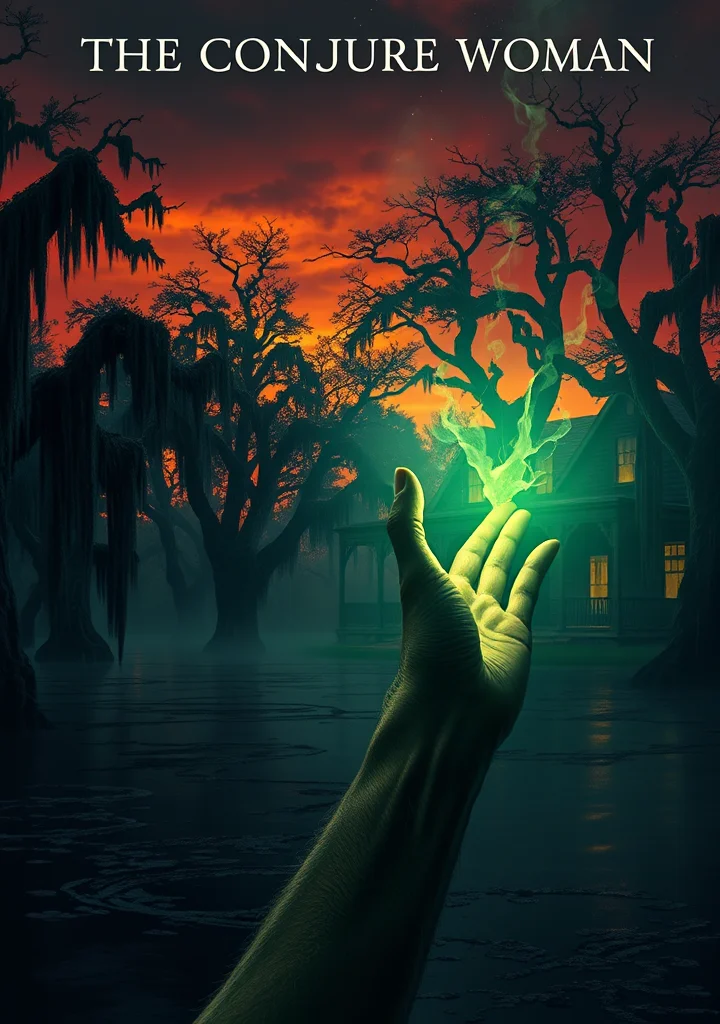
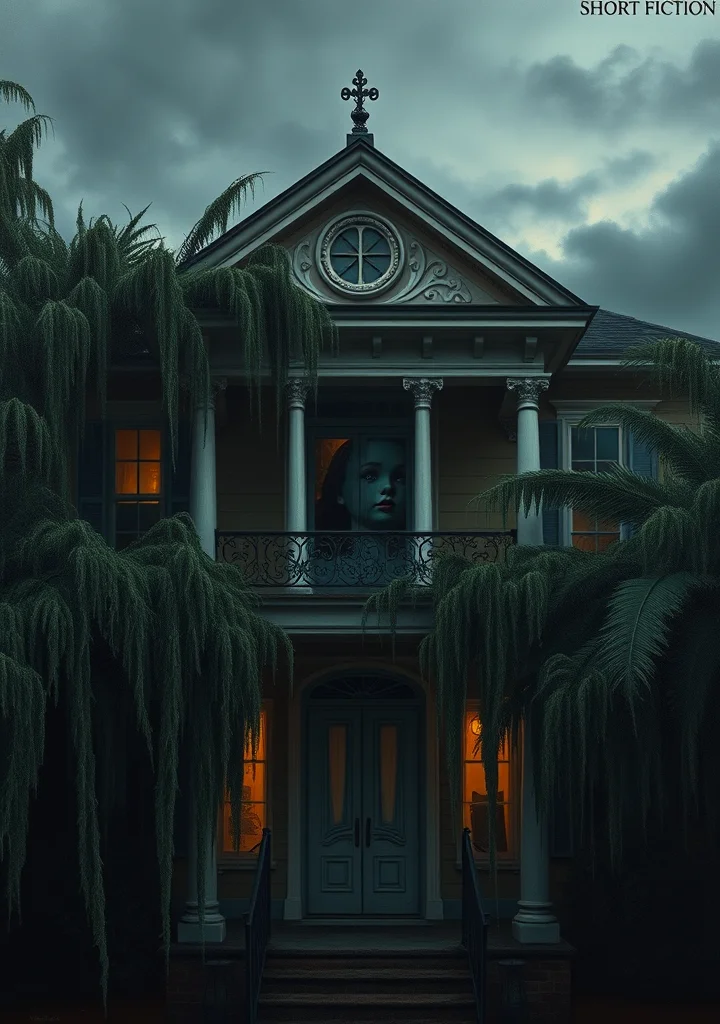
Dust hangs thick in the Louisiana cane fields, mirroring the suffocating secrets that cling to the decaying grandeur of the plantation house. Here, the line between the living and the dead blurs with every whisper of conjure, every flicker of swamp gas rising from the bayou. John Westerly, a white man haunted by ambition and a creeping dread, finds himself entangled with the power of the unseen after his wife’s illness leads him to seek the aid of a root woman, a woman steeped in the old ways. But her healing comes at a price, a debt paid in shadows and steeped in the lore of a people who’ve held onto their magic through generations of bondage. The air is heavy with the scent of jasmine and decay, laced with the metallic tang of fear. Every glance from the enslaved, every rustle in the Spanish moss, carries a weight of unspoken knowledge. The narrative coils around itself like the vines choking the ancient oaks, revealing a slow unraveling of sanity as Westerly descends into a world where his rational mind clashes against the potent reality of folk magic. He’s drawn into a claustrophobic world where the conjured spirits of the enslaved seep into his dreams, and the boundaries of his own identity begin to dissolve into the miasma of the swamp. It’s a world where the shadows lengthen with each passing night, and the price of power is measured not in coin, but in pieces of a soul willingly surrendered to the darkness. The house itself breathes, groaning with the weight of forgotten histories, a silent witness to the bargains struck in the humid Louisiana night.
48 Part
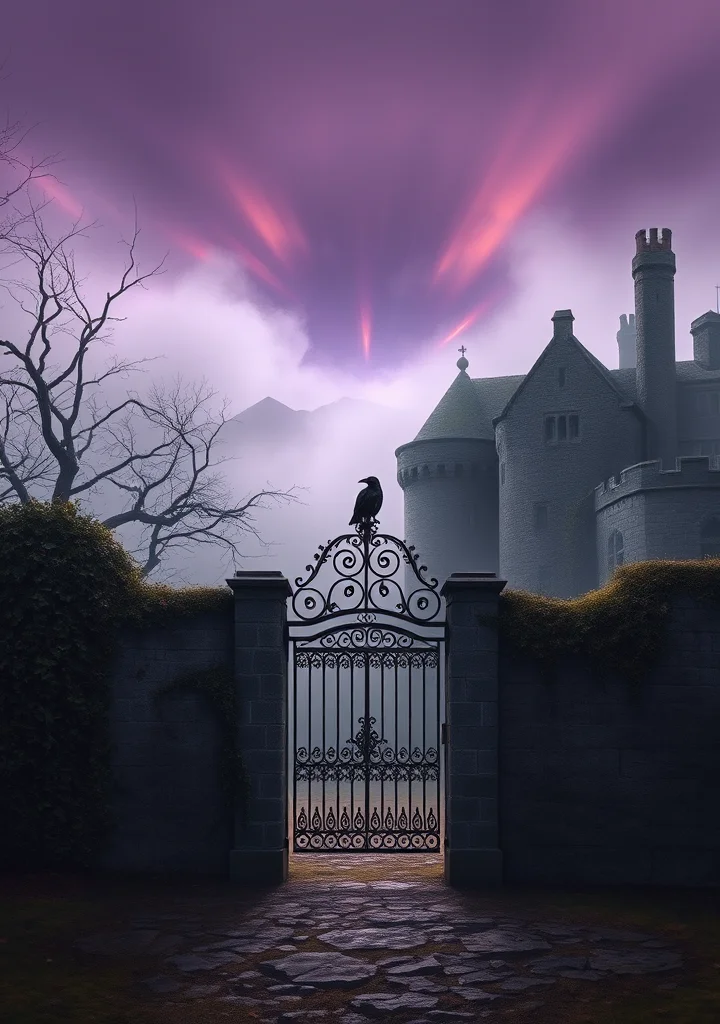
A creeping dread clings to the Scottish Highlands, mirroring the chill that settles over Alistair Grant as he returns to his ancestral estate. Not a homecoming, but a summons – a veiled plea from a crumbling manor steeped in generations of shadowed secrets. The air itself tastes of decay and whispered accusations, the stone walls breathing with the ghosts of those who vanished within its labyrinthine halls. Each sunrise feels less a dawn of hope and more a slow exposure of rot, revealing fissures not just in the stone, but within the very fabric of Grant’s family. The moorland stretches like a bruised landscape, mirroring the bruising of Alistair’s spirit as he unravels a legacy of ambition, betrayal, and the cold calculus of inheritance. The estate isn’t merely a place; it's a predator, drawing in those desperate to claim its fractured power. The narrative unfolds as a slow bleed of suspicion, each character a silhouette against a dying fire, their motives obscured by the encroaching fog. The narrative isn’t about what’s *seen*, but what lingers in the periphery - the scent of damp earth, the rustle of unseen wings, the weight of eyes watching from darkened windows. A sense of being watched permeates every page, a growing unease that settles like frost on the heather. It is a story of men consumed by their own histories, bound to a land that demands a reckoning for sins long buried. The Courts of the Morning aren’t merely a place of judgment, but a stage for a final, desperate act of penance – or revenge.
48 Part
Dust clings to the sun-bleached plains, mirroring the grit that coats the heart of young Stella Farraday. This is a story not of grand romance, but of a slow, creeping suffocation within a landscape that promises freedom yet delivers only the stifling weight of expectation. The Australian bush, rendered not as a vibrant Eden, but as a vast, indifferent witness to a woman’s ambition. Every sun-cracked homestead, every whispered rumour carries the scent of decay – not of flesh, but of potential, of dreams left to wither under the relentless gaze of a society that deems brilliance a dangerous bloom in the female soil. A loneliness permeates the narrative, a chill that settles not in the weather, but in the silences between polite conversations, in the measured glances of men who see only duty fulfilled. Stella’s defiance isn’t a fiery rebellion, but a quiet erosion of the self, a chipping away at the stone of convention until only the raw, exposed nerve of her intellect remains. The brilliance itself feels less like a beacon and more like a fever – a consuming heat that isolates her within a gilded cage of her own making. The narrative unfolds like a slow burn, the embers of her passion fanned by the harsh winds of practicality. There's a sense of being watched, not by malicious intent, but by the unforgiving judgement of a world that can’t comprehend a woman daring to choose herself over the prescribed roles. It’s a ghost story of a life unlived, haunting the reader with the question of what blooms in the darkness when a brilliant mind is denied the sun.