
-
Read 717
-
0
-
Part 85
Completed, First published Mar 02, 2026
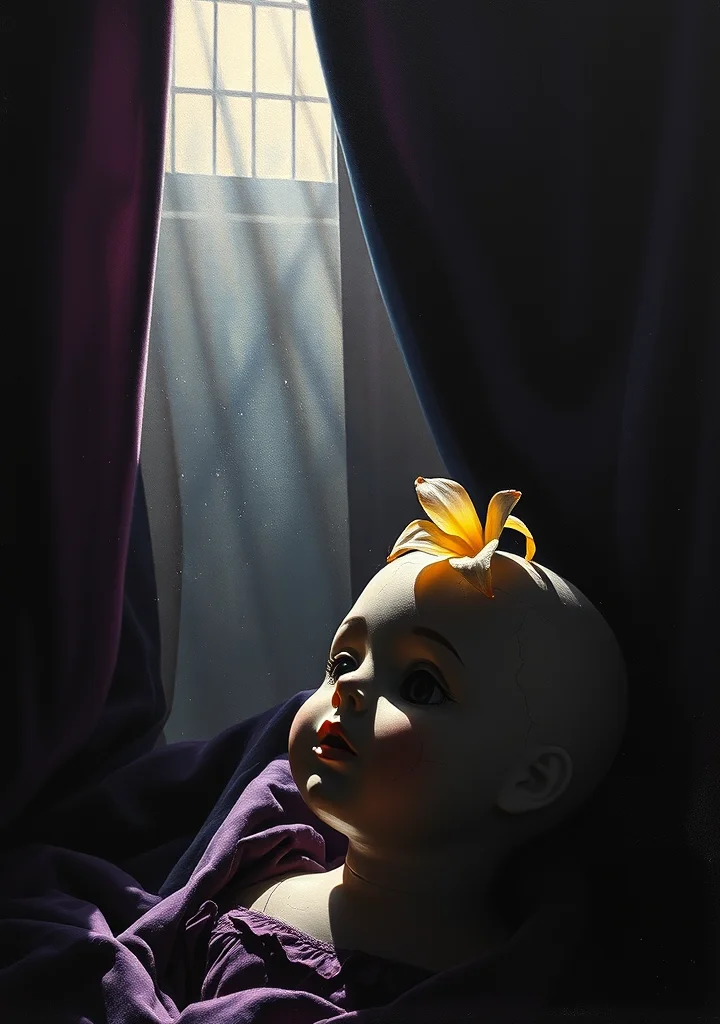
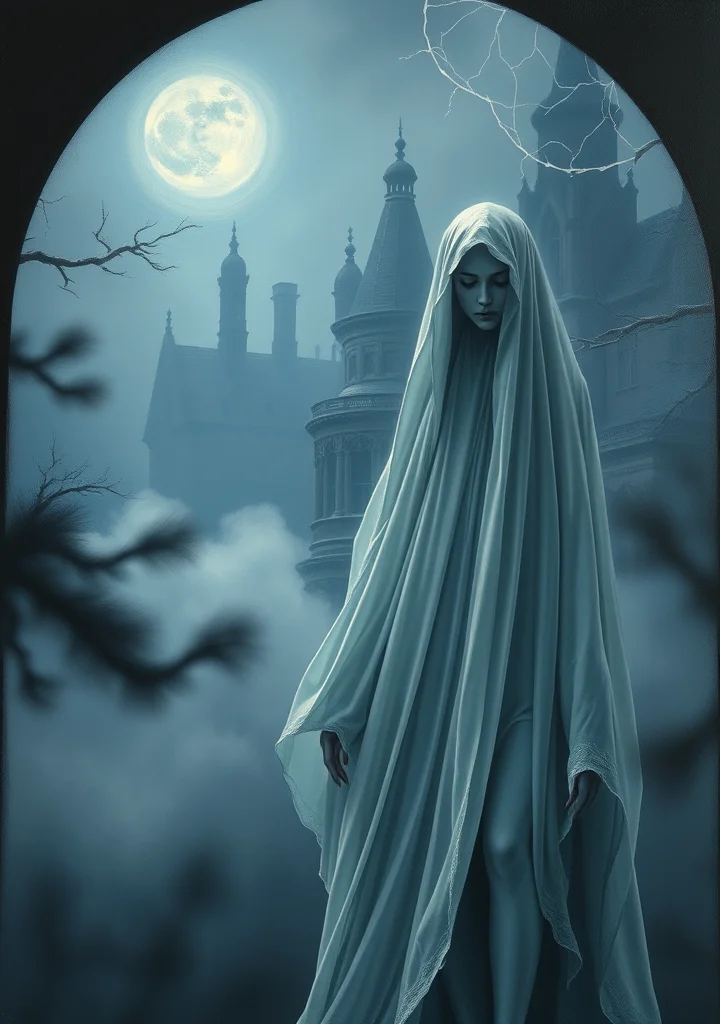
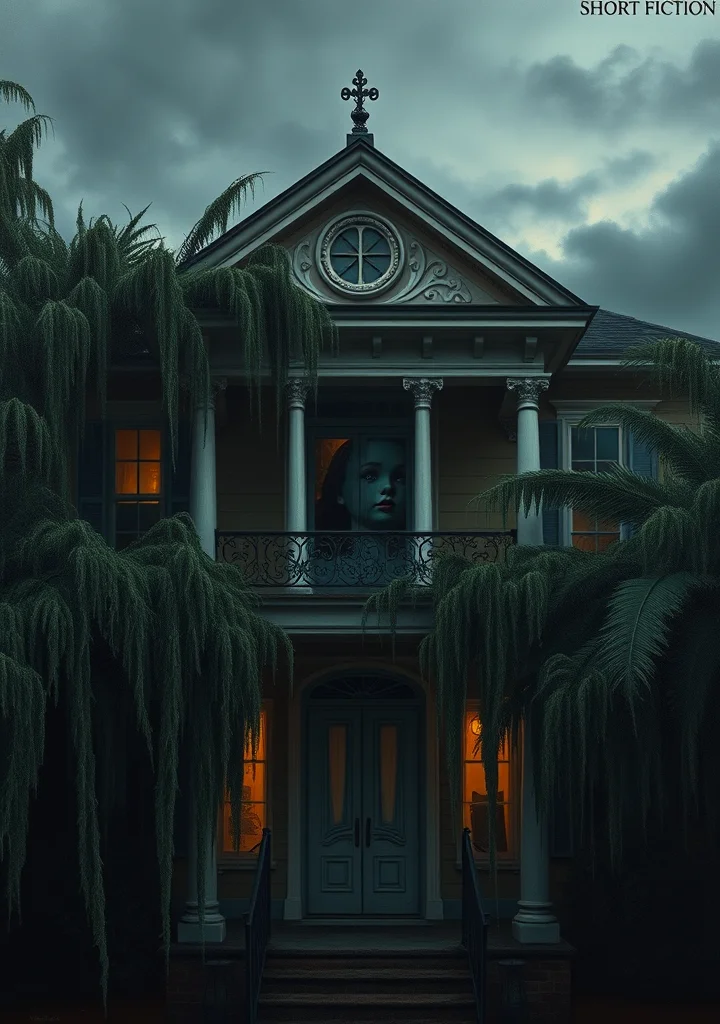
The Louisiana air hangs thick and suffocating, draped with Spanish moss and the scent of decay. Within these stories, shadows cling to the ornate ironwork of New Orleans mansions and whisper through the cane fields. Chopin doesn’t offer grand horrors, but a creeping dread born of isolation, societal constraints, and the stifled desires of women bound by a suffocating Southern gentility. Each vignette is a cracked porcelain doll, beautiful yet fractured, reflecting a world where passion withers under the weight of tradition. The narrative pulse is slow, deliberate, mimicking the languid drag of humidity on skin. A sense of premonition permeates each tale—not of monstrous specters, but of lives unraveling, silently, within gilded cages. The reader is invited not to witness a spectacle, but to inhale the rot, the unspoken grief, and the simmering resentment that blossoms in the humid darkness of a bygone era. These are fragments of ghosts, echoes of women swallowed by the architecture of their own time, their stories stained with the amber light of dying embers.
Copyright: Public Domain
This license allows anyone to use your story for any purpose, including printing, selling, or adapting it into a film freely.
This license allows anyone to use your story for any purpose, including printing, selling, or adapting it into a film freely.
Chapter List
-
« Short Fiction »📖 Continue Reading
-
« With the Violin »
-
« A No-Account Creole »
-
« I »
-
« II »
-
« III »
-
« IV »
-
« V »
-
« VI »
-
« VII »
-
« VIII »
-
« IX »
-
« For Marse Chouchoute »
-
« The Maid of Saint Phillippe »
-
« A Wizard from Gettysburg »
-
« A Rude Awakening »
-
« A Very Fine Fiddle »
-
« Boulôt and Boulotte »
-
« Love on the Bon-Dieu »
-
« Beyond the Bayou »
-
« After the Winter »
-
« I »
-
« II »
-
« III »
-
« The Bênitous’ Slave »
-
« A Turkey Hunt »
-
« Old Aunt Peggy »
-
« The Lilies »
-
« Ripe Figs »
-
« Loka »
-
« At the ’Cadian Ball »
-
« A Visit to Avoyelles »
-
« Ma’ame Pélagie »
-
« I »
-
« II »
-
« III »
-
« IV »
-
« Désirée’s Baby »
-
« Caline »
-
« The Return of Alcibiade »
-
« In and Out of Old Natchitoches »
-
« Mamouche »
-
« Madame Célestin’s Divorce »
-
« A Matter of Prejudice »
-
« Azélie »
-
« A Lady of BayouSt.John »
-
« La Belle Zoraïde »
-
« At Chênière Caminada »
-
« I »
-
« II »
-
« III »
-
« IV »
-
« A Gentleman of Bayou Têche »
-
« In Sabine »
-
« A Respectable Woman »
-
« Tante Cat’rinette »
-
« A Dresden Lady in Dixie »
-
« The Dream of an Hour »
-
« The Night Came Slowly »
-
« Juanita »
-
« Cavanelle »
-
« Regret »
-
« Ozème’s Holiday »
-
« A Sentimental Soul »
-
« I »
-
« II »
-
« III »
-
« IV »
-
« Odalie Misses Mass »
-
« Polydore »
-
« Dead Men’s Shoes »
-
« Athénaïse »
-
« I »
-
« II »
-
« III »
-
« IV »
-
« V »
-
« VI »
-
« VII »
-
« VIII »
-
« IX »
-
« X »
-
« XI »
-
« A Night in Acadie »
-
« Nég Créole »
85
-
« Short Fiction »
-
« With the Violin »
-
« A No-Account Creole »
-
« I »
-
« II »
-
« III »
-
« IV »
-
« V »
-
« VI »
-
« VII »
-
« VIII »
-
« IX »
-
« For Marse Chouchoute »
-
« The Maid of Saint Phillippe »
-
« A Wizard from Gettysburg »
-
« A Rude Awakening »
-
« A Very Fine Fiddle »
-
« Boulôt and Boulotte »
-
« Love on the Bon-Dieu »
-
« Beyond the Bayou »
-
« After the Winter »
-
« I »
-
« II »
-
« III »
-
« The Bênitous’ Slave »
-
« A Turkey Hunt »
-
« Old Aunt Peggy »
-
« The Lilies »
-
« Ripe Figs »
-
« Loka »
-
« At the ’Cadian Ball »
-
« A Visit to Avoyelles »
-
« Ma’ame Pélagie »
-
« I »
-
« II »
-
« III »
-
« IV »
-
« Désirée’s Baby »
-
« Caline »
-
« The Return of Alcibiade »
-
« In and Out of Old Natchitoches »
-
« Mamouche »
-
« Madame Célestin’s Divorce »
-
« A Matter of Prejudice »
-
« Azélie »
-
« A Lady of BayouSt.John »
-
« La Belle Zoraïde »
-
« At Chênière Caminada »
-
« I »
-
« II »
-
« III »
-
« IV »
-
« A Gentleman of Bayou Têche »
-
« In Sabine »
-
« A Respectable Woman »
-
« Tante Cat’rinette »
-
« A Dresden Lady in Dixie »
-
« The Dream of an Hour »
-
« The Night Came Slowly »
-
« Juanita »
-
« Cavanelle »
-
« Regret »
-
« Ozème’s Holiday »
-
« A Sentimental Soul »
-
« I »
-
« II »
-
« III »
-
« IV »
-
« Odalie Misses Mass »
-
« Polydore »
-
« Dead Men’s Shoes »
-
« Athénaïse »
-
« I »
-
« II »
-
« III »
-
« IV »
-
« V »
-
« VI »
-
« VII »
-
« VIII »
-
« IX »
-
« X »
-
« XI »
-
« A Night in Acadie »
-
« Nég Créole »
More like this