
Short Fiction
  • 717
  • 0
  • 85
  • Read 717
  • 0
  • Part 85
Completed, First published Mar 02, 2026

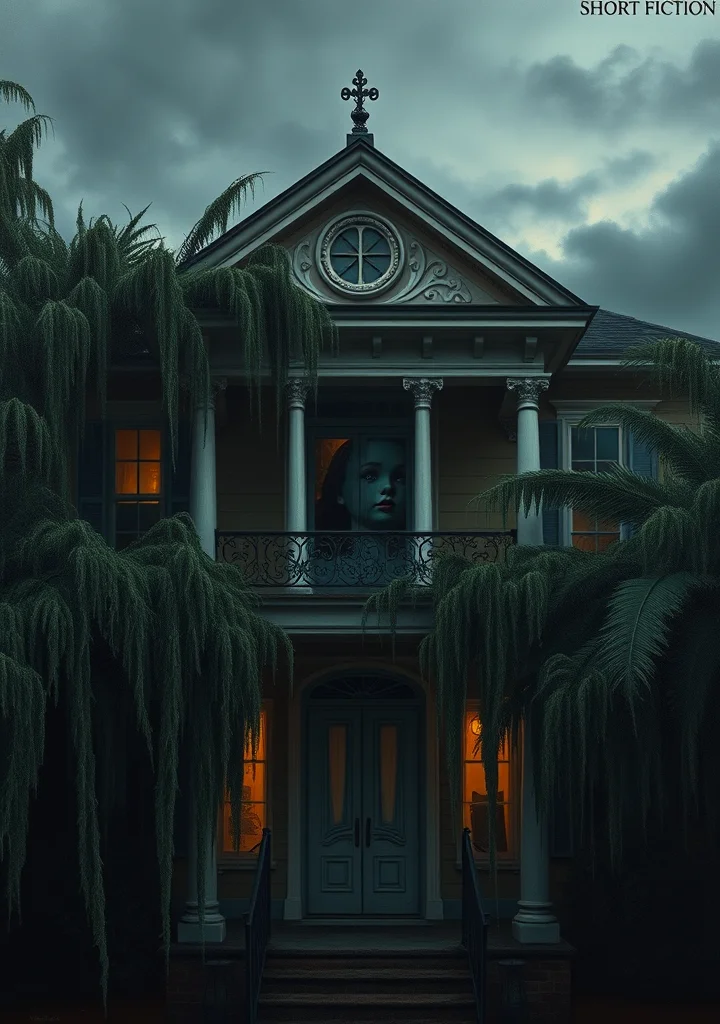
The Louisiana air hangs thick and suffocating, draped with Spanish moss and the scent of decay. Within these stories, shadows cling to the ornate ironwork of New Orleans mansions and whisper through the cane fields. Chopin doesn’t offer grand horrors, but a creeping dread born of isolation, societal constraints, and the stifled desires of women bound by a suffocating Southern gentility. Each vignette is a cracked porcelain doll, beautiful yet fractured, reflecting a world where passion withers under the weight of tradition. The narrative pulse is slow, deliberate, mimicking the languid drag of humidity on skin. A sense of premonition permeates each tale—not of monstrous specters, but of lives unraveling, silently, within gilded cages. The reader is invited not to witness a spectacle, but to inhale the rot, the unspoken grief, and the simmering resentment that blossoms in the humid darkness of a bygone era. These are fragments of ghosts, echoes of women swallowed by the architecture of their own time, their stories stained with the amber light of dying embers.
Copyright: Public Domain
This license allows anyone to use your story for any purpose, including printing, selling, or adapting it into a film freely.
Recommended for you
26 Part
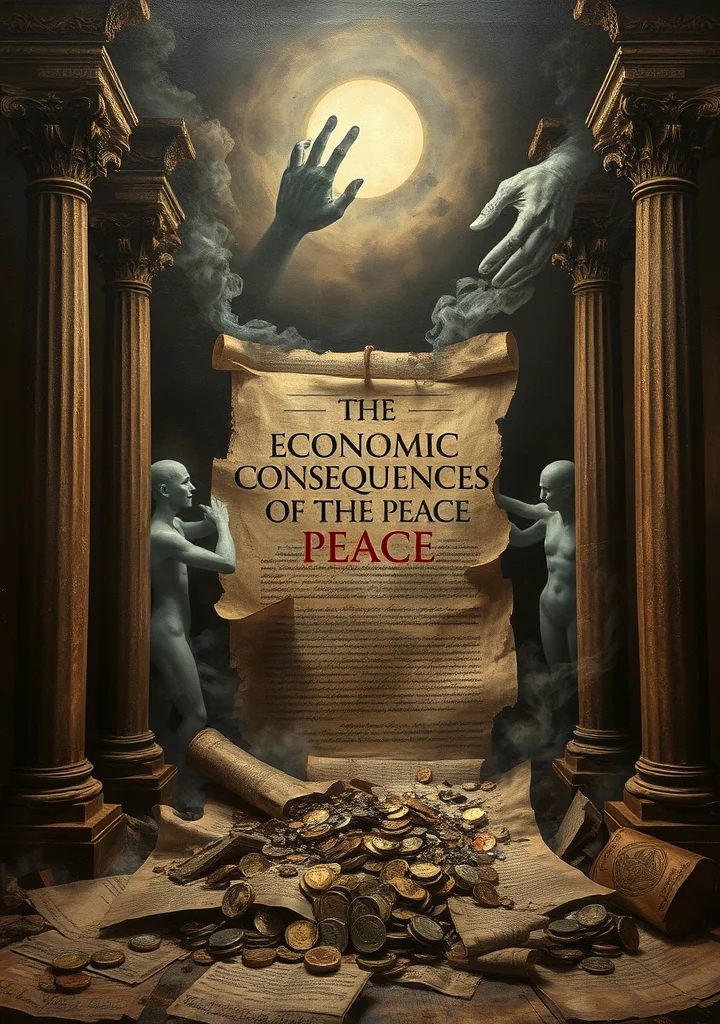
A creeping fog clings to the shattered remnants of empires, mirroring the ruinous calculations etched into every treaty line. This is not a history of battles won, but of debts accrued, of futures bartered away in gilded salons and shadowed counting houses. The air hangs thick with the scent of ash and regret, a chill seeping from the very stone of Versailles. Each paragraph feels like a slow excavation of a buried grief, uncovering the rot beneath the veneer of restoration. The narrative doesn't explode with violence, but unravels in the quiet decay of promises broken. It’s a story told in ledger books and whispered anxieties, a creeping dread that settles not in grand catacombs, but in the hollowed-out eyes of merchants and the tightening grip of creditors. A suffocating weight presses down, not of armies, but of unrealized loans and the spectral hunger of nations left to starve on the bones of their pride. The prose itself is a labyrinth of clauses and caveats, mirroring the intricate, suffocating web of obligations woven after the war. It's a world lit by the flickering gaslight of statistical tables, where every decimal point feels like a nail hammered into the coffin of stability. A subtle, pervasive despair permeates the text, the sense that even in the meticulous charting of consequence, the abyss stares back, indifferent to the logic of man. The true horror isn't found in the carnage of the guns, but in the cold, elegant precision with which hope is systematically dismantled, and the silence that follows.
32 Part
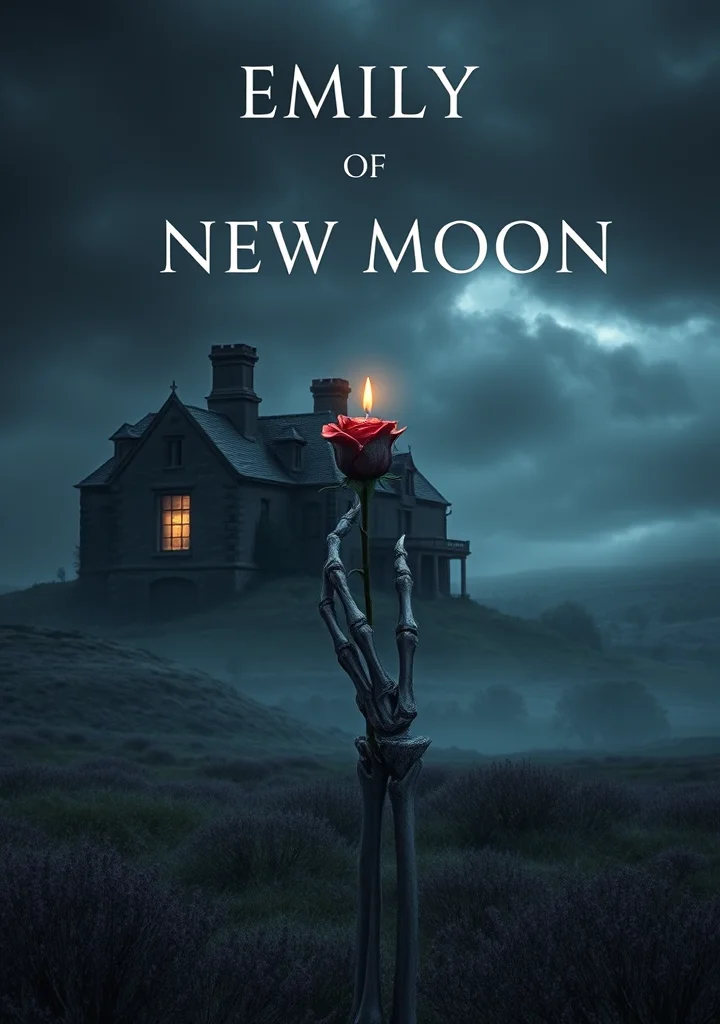
A perpetual twilight clings to the shadowed corners of New Moon, a desolate, windswept inheritance haunted by whispers of misfortune. The orphaned Emily Byrd, a creature of wild imagination and fiery spirit, arrives to claim her legacy—a decaying ancestral home steeped in the lore of a cursed lineage. But the house breathes with a sorrow that seeps into Emily's very soul, mirroring the spectral grief of her mother, a phantom presence woven into the very fabric of the moors. The narrative unfolds as a slow, melancholic descent into a world where dreams and realities blur, where the scent of heather and brine mingles with the bitterness of forgotten promises. Each chamber of New Moon holds a fragment of the past—a tarnished mirror reflecting a forgotten face, a faded portrait hinting at a tragic fate, a diary bound in leather stained with tears. Emily’s burgeoning poetic gifts become a conduit to the unseen, drawing her closer to the secrets buried within the family’s history. She is watched over by the silent, watchful eyes of the old servants, their faces etched with the weight of generations past. But the beauty of the landscape is deceptive, for the moor itself seems to possess a hungry darkness, a longing to reclaim what was lost. As Emily’s heart blossoms with both love and loss, she finds herself entangled in a web of family secrets, shadowed by the looming possibility that she too is destined to be consumed by the curse of New Moon. The novel is a slow burn, a haunting exploration of loneliness, resilience, and the enduring power of memory—a place where the boundary between life and death feels fragile as a moonbeam on a stormy sea.