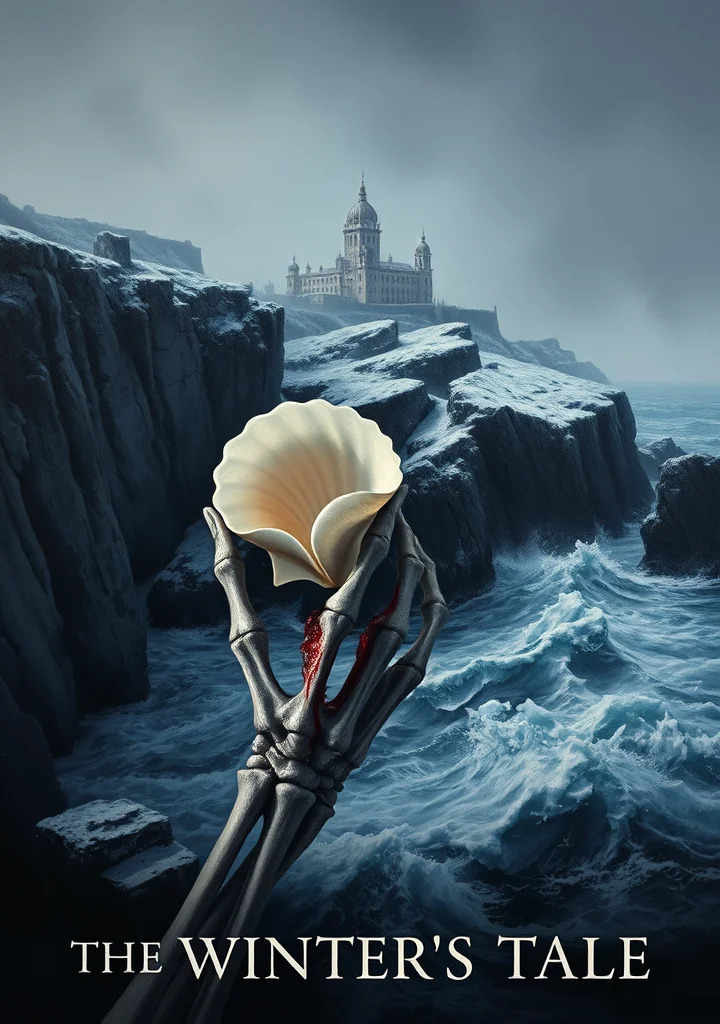

The Winter’s Tale
  • 111
  • 0
  • 23
  • Reads 111
  • 0
  • Part 23
Completed, First published Mar 02, 2026

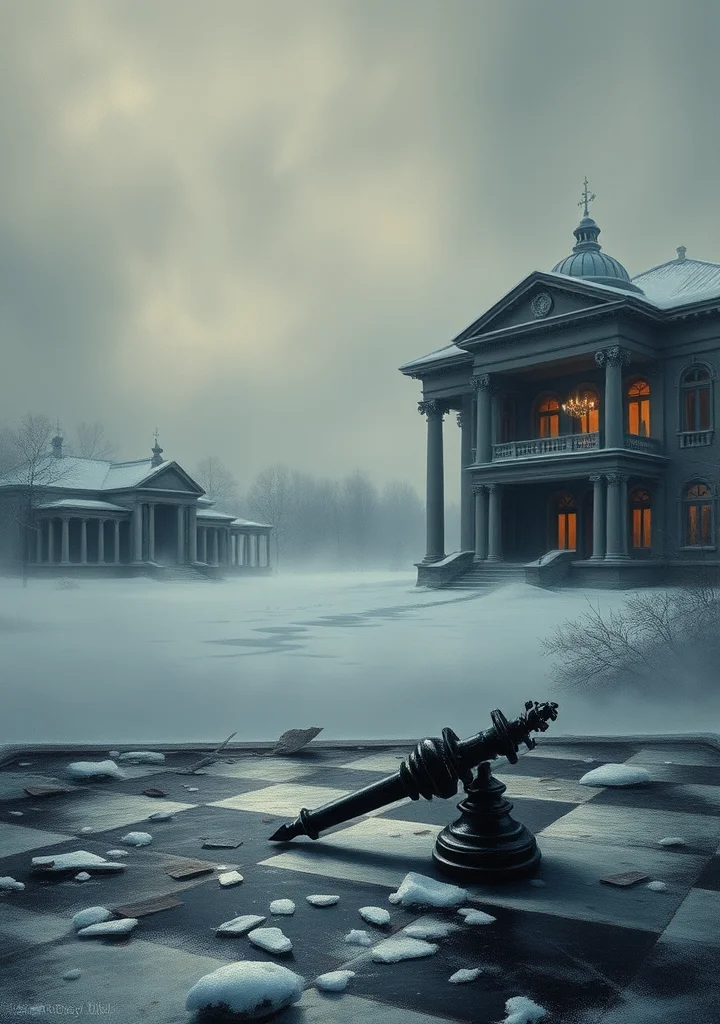
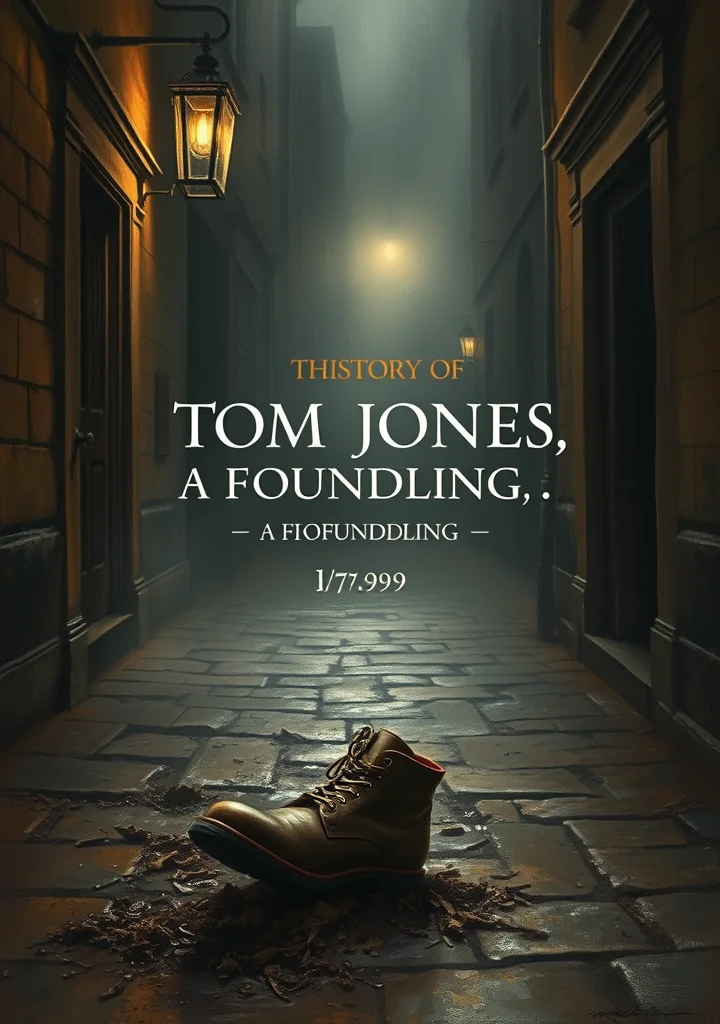
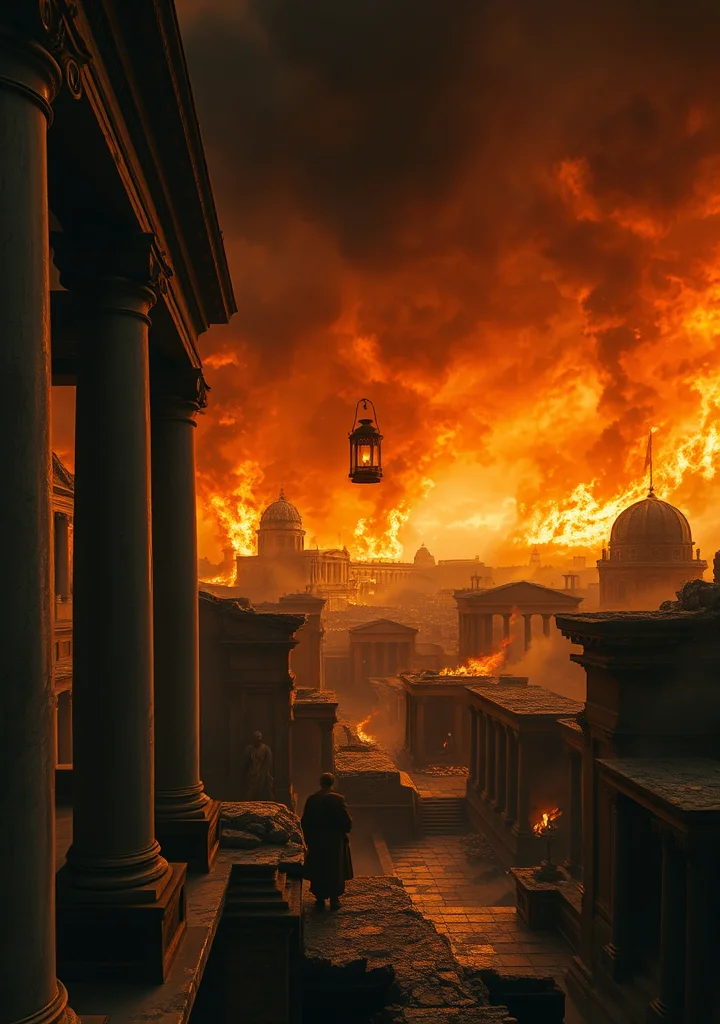
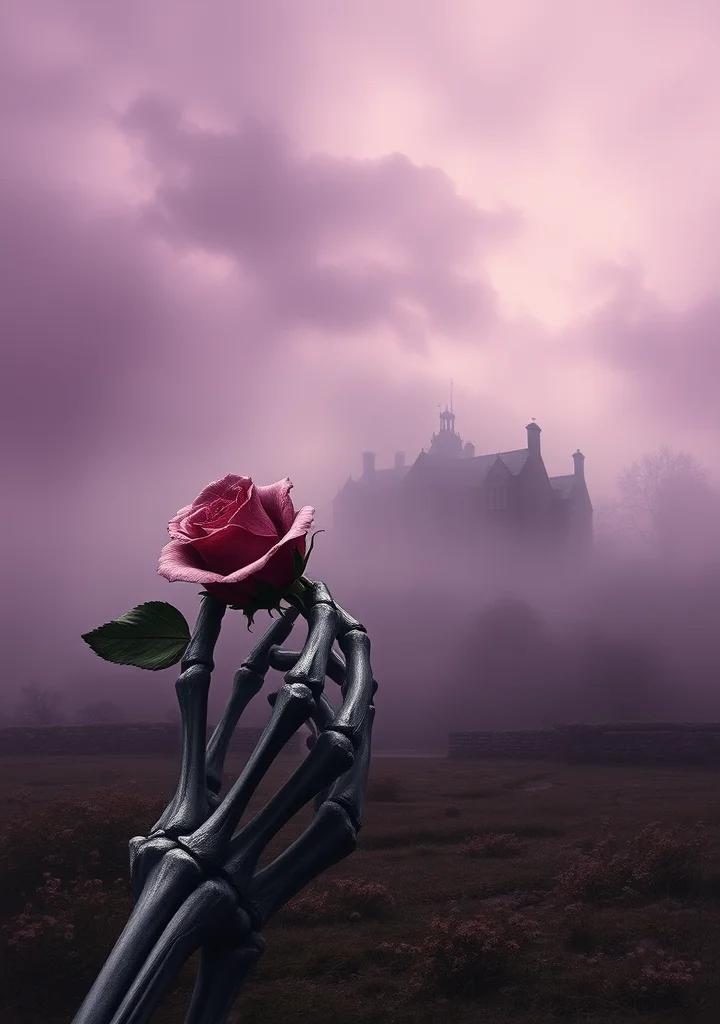
A creeping frost settles on the Sicilian court, mirroring the glacial chill that grips King Leontes’ heart. Jealousy, born of shadow and whispered deceit, blossoms into a venomous suspicion that tears apart a marriage and fractures a kingdom. The narrative exhales with the scent of brine and decay, the palace halls echoing with the hollow resonance of broken trust. A flight across the storm-wracked coast delivers a shepherd to a foundling girl sculpted from grief and the wild, untamed beauty of Bohemia. Years blur into a sun-drenched pastoral, a deceptive warmth that masks the lingering specter of loss. Stone statues, frozen in perpetual mourning, stand sentinel against a landscape haunted by the ghosts of Leontes’ making. The air thickens with regret as the exiled king’s remorse becomes a tangible weight, pressing down on the very earth. The final act breathes with a hesitant hope, a fragile thaw where the stone heart of a king might yield to forgiveness, but the chill of winter lingers – a reminder that even resurrection carries the scent of the grave, and beauty blooms only from the deepest, most enduring wounds. A melancholic grace pervades, a sense of inevitability woven into every shadow and sunbeam.
Copyright: Public Domain
This license allows anyone to use your story for any purpose, including printing, selling, or adapting it into a film freely.
Recommended for you
24 Part
London breathes under a fog thick with coal dust and righteous fury. A singular, colossal figure – Michael Fane, the self-proclaimed Napoleon – stalks the streets of Notting Hill, not for conquest, but for a peculiar, escalating series of acts of civic “improvement.” He doesn’t steal, not precisely. He *rearranges*. He dismantles a building here, subtly alters a square there, all in the name of a deranged, geometric vision of order. The air hangs heavy with the dread of unspoken intentions. The narrative unravels through the eyes of a bewildered, increasingly horrified populace, and the desperate, flailing attempts of the police to understand a man who claims to be enacting a divine geometry. Each rearrangement isn’t merely vandalism, but a surgical excision of the city's soul, a chipping away at its haphazard, human beauty. A creeping claustrophobia settles in as Fane’s “improvements” become more audacious, more…necessary. The gas lamps cast elongated shadows that seem to mimic his reshaping of the streets. The scent of damp brick and decaying plaster clings to the air, mirroring the decay of reason within Fane’s mind. It’s not a story of violence, but of insidious, creeping control. The dread doesn't lie in what is *done*, but in the chilling logic behind it – a perverse, obsessive love for a perfect, sterile London that will be born from the rubble of the old. A city remade in the image of one man’s madness.
51 Part
A suffocating heat clings to the pages, thick with the dust of forgotten gods and the scent of brine. Kuprin’s *Yama* doesn’t offer a narrative of simple prisons, but of a slow, deliberate drowning in the stagnant pools of human desperation. The barracks, a festering wound in the heart of a decaying empire, breathe with a life of their own—a malignant sentience born of brutality and boredom. Each man within, a fractured shard of a broken world, is bound not by iron and stone, but by the weight of their own failures, each transgression a silent, festering rot. The prose itself is a mire, pulling you down into the rankness of the guardhouse’s perpetual twilight. There’s no escape, not even in the fevered dreams of the condemned. The air vibrates with the low hum of simmering violence, the casual cruelty a constant, gnawing ache. It isn’t a story of *what* happens, but *how* it feels—the slick, metallic taste of fear on the tongue, the way the shadows stretch and contort into mocking faces. The faces themselves are ghosts, hollowed by regret and the gnawing certainty of oblivion. This isn't a tale of justice, or even injustice, but of a surrender to the inevitable, the slow dissolution of self within the suffocating geometry of the barracks. The walls weep with the stories of men swallowed whole by their own despair, and the stench of their decay lingers long after the last page is turned. The novel doesn't merely show you the darkness; it forces you to breathe it.