
Aspects of the Novel
  • 92
  • 0
  • 14
  • Reads 92
  • 0
  • Part 14
Completed, First published Mar 02, 2026

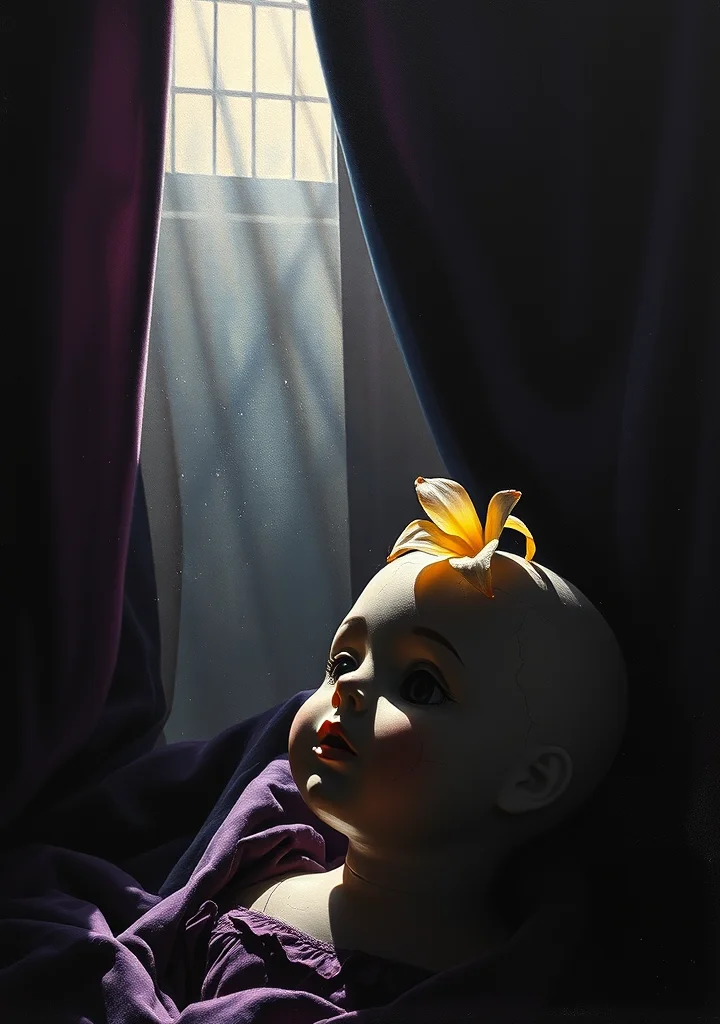
A creeping dread permeates the Italianate villas and sun-drenched terraces, less from the landscape itself than from the brittle anxieties blooming within the English souls who wander them. Dust motes dance in the stifling heat, mirroring the suffocating secrets held within polite conversation. This is a novel of withheld glances and the feverish bloom of unspoken desires, where the architecture mirrors the constraints of a suffocating society. The air hangs heavy with the weight of expectation, a stifling perfume of regret and the quiet desperation of those trapped within a gilded cage. Sunlight, meant to illuminate, instead casts long, distorting shadows, revealing the fissures in polite facades. It is a landscape of stifled breaths, of longing that curdles into resentment, and the slow, agonizing realization that beauty can be a prison, and connection a carefully constructed illusion. The novel breathes with a languid decay, the scent of orange blossoms masking the rot beneath the surface of a meticulously curated world. It is a study in the geometry of loneliness, where every vista is framed by an unspoken, aching void.

Copyright: Public Domain
This license allows anyone to use your story for any purpose, including printing, selling, or adapting it into a film freely.
Recommended for you
30 Part
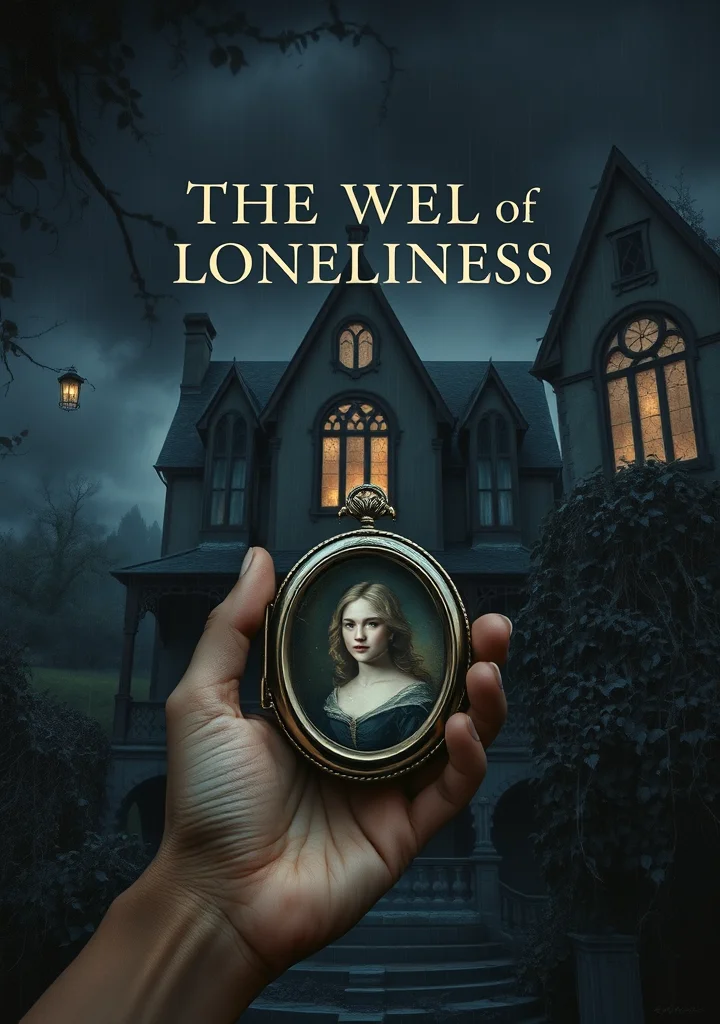
A creeping dread clings to the damp stone of Blackwood Manor, where whispers of a forgotten inheritance and a family fractured by shadow weave through the halls. The narrative unfolds not as a grand spectacle, but as a slow unraveling, a descent into the suffocating secrets held within a provincial life. Old man Harwood, a man of routine and quiet despair, finds himself unwillingly entangled in the affairs of others—a vanished solicitor, a resentful ward, and a legacy stained with avarice. The air is thick with the scent of decaying roses and unshed tears. Each chapter feels like a turning of a key in a rusted lock, revealing another shadowed alcove in the manor’s heart. It isn't the horror of what *happens*, but the suffocating weight of what is *known*—the stifled resentments, the furtive glances, the unspoken accusations that fester within the household. The story is told in fragments, overheard conversations and half-remembered incidents, mirroring the fractured memories of those caught within the manor's orbit. Rain lashes against the windows, mirroring the tempest brewing within Harwood’s breast. The middle of things, he comes to realize, is not a position of neutrality, but a vortex—a point where all the dark currents converge. The ending isn't a resolution, but a settling of dust on the things that were always there, waiting for the shadows to lengthen and claim their due. A quiet, insidious despair permeates the pages, leaving the reader with the chilling sensation of being watched from the darkened corners of Blackwood Manor long after the book is closed.
86 Part
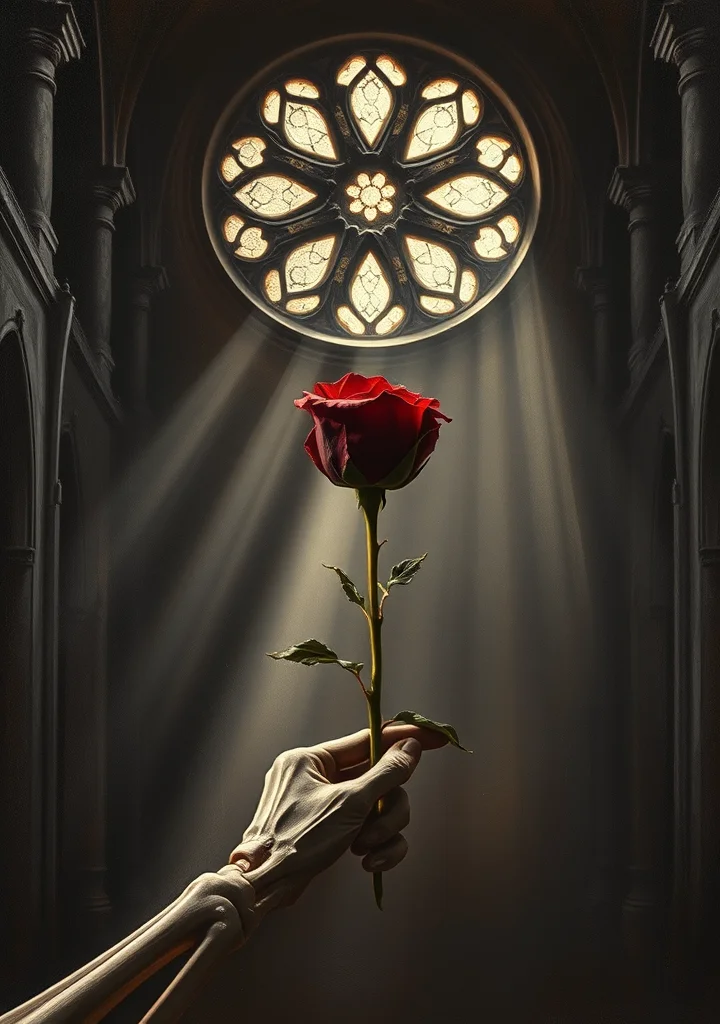
Dust motes dance in the oppressive heat of a Hong Kong summer, mirroring the suffocating stillness of Katherine’s marriage. A gilded cage, woven with silk and silence, holds her fast to Walter, a man whose cold precision dissects affection as readily as a laboratory specimen. But the cholera epidemic is a fever dream of rot and revelation, a landscape of shadowed alleys and whispered fears where Katherine, driven to desperate charity, dons a veil—not of mourning, but of disguise. The air hangs thick with the scent of jasmine and decay as she infiltrates a remote, lawless village, trading her identity for a cure. The deeper she ventures into the heart of the plague, the more Walter’s rigid composure cracks, revealing a man haunted by his own sterile ambition. Each act of kindness, each shared moment under the suffocating weight of the epidemic, peels back layers of their carefully constructed lives. The world bleeds into a bruised palette of ochre and grey, the sun a malevolent eye watching as Katherine navigates a moral labyrinth. The veil becomes not just a shield against contagion, but a mask for a woman shedding her own brittle illusions. It’s a descent into a shadowed intimacy, where love and loathing twist together like the roots of a strangling vine, and the only certainty is the creeping, insidious dread of what—or whom—they’ve left behind. The weight of the silk is a constant reminder: salvation, or a slow, beautiful unraveling.