
Desconforto e Melancolia
  • 25
  • 0
  • 5
  • Read 25
  • 0
  • Part 5
Ongoing, First published May 11, 2026

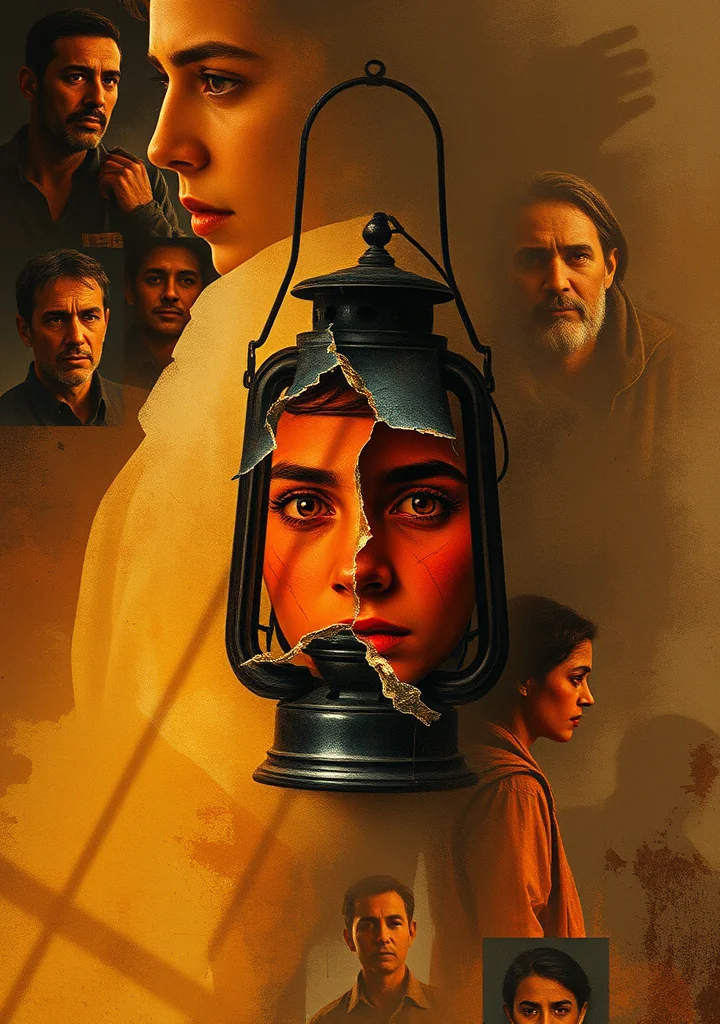
Louis vive em um mundo marcado pela apatia e doenças misteriosas. Acompanhamos sua luta contra o isolamento, buscando refúgio na música e uma conexão hesitante com Niall. Uma nova inspiração surge com um encontro inesperado, levando Louis a questionar sua identidade e a tensão com sua mãe. À medida que confidencia em Niall, segredos vêm à tona, junto com uma dor no peito que se intensifica. A história se expande para uma escola repleta de fofocas e preconceitos, onde a chegada de Harry Styles provoca hostilidade e alianças inesperadas.
Copyright: All Rights Reserved
No person is allowed to use, redistribute, or modify your work in any form without your explicit permission.
Recommended for you
36 Part
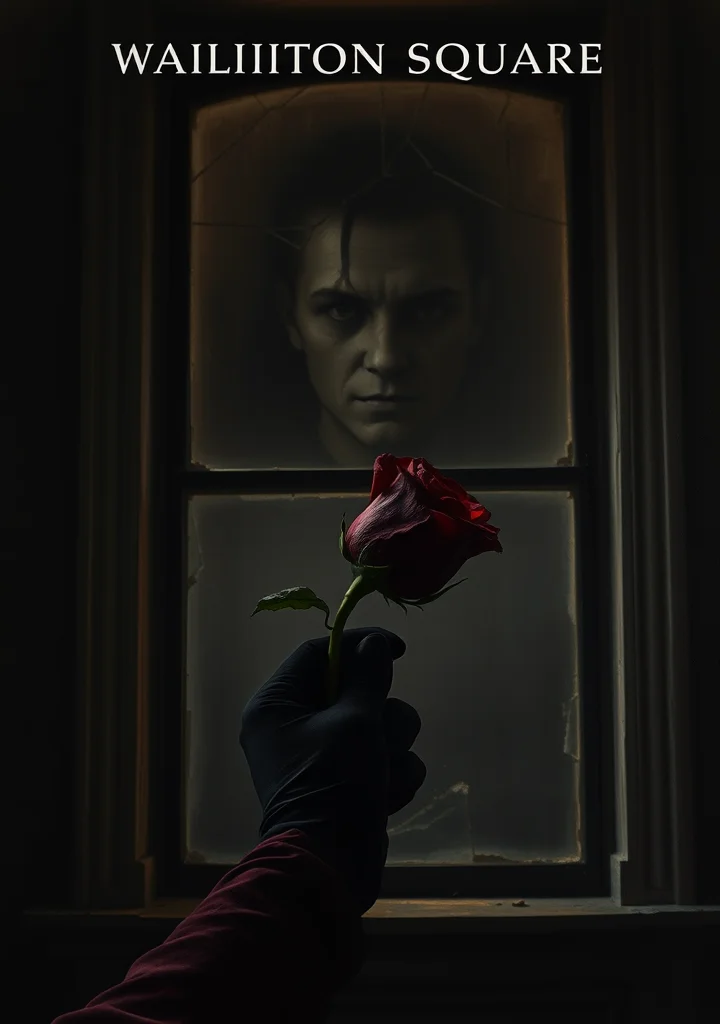
A creeping chill settles over the brownstone facades of New York, mirroring the slow, insidious decay of innocence within Catherine Sloper. The air hangs heavy with unspoken anxieties, thick with the scent of decaying roses and the hushed judgments of a society obsessed with pedigree. Every shadowed corner of Washington Square seems to breathe with the weight of expectation, a gilded cage designed to stifle the blossoming spirit of a woman deemed plain, practical, and possessed of a fortune too easily coveted. A suffocating inheritance becomes a cage of observation, where every glance, every calculated kindness, is a transaction in the currency of social climbing. The narrative unfolds as a slow, deliberate unraveling—a dance between perception and reality, shadowed by the predatory gaze of a man whose motives are as labyrinthine as the wrought iron gates guarding the square. A haunting sense of isolation permeates the story, clinging to the damp cobblestones and echoing in the cavernous parlors. It is a world rendered in shades of grey—the grey of dust motes dancing in sunbeams, the grey of faded portraits mirroring past failures, the grey of a heart slowly calcifying beneath layers of constraint. The very architecture seems to conspire to trap Catherine within a suffocating cycle of appraisal, and the final, desolate revelation will leave a residue of unspoken grief clinging to the reader long after the final page is turned. It is a portrait of a life lived not within warmth and light, but within the glacial shadow of expectation.
37 Part
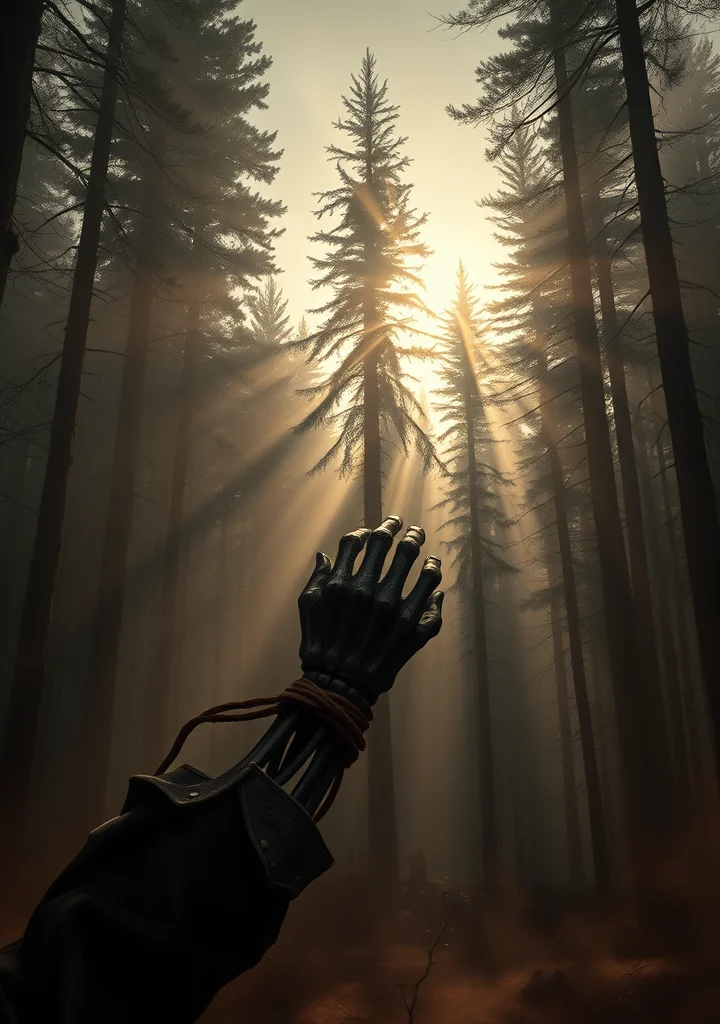
A creeping dread clings to the shadowed forests of colonial New York, where the boundaries of civilization fray into a wilderness haunted by loss and the ghosts of broken treaties. The air hangs thick with woodsmoke and the scent of pine, heavy with the weight of a dying wilderness and the specter of a brutal, unforgiving war. Here, amidst the towering pines and mist-veiled lakes, a fractured narrative unfolds – not of heroes triumphant, but of figures consumed by the encroaching darkness. The narrative isn't merely observed, it *bleeds* into the landscape; the very stones seem to weep with the agony of the Mohicans’ slow, agonizing disappearance. A desperate flight through a world perpetually twilight, where the rustling leaves whisper of ambush and every shadow conceals a potential grave. The story coils around the fate of a handful of souls – a stoic scout, haunted by the inevitability of his people's extinction, and the fragile bloom of love blossoming amidst the wreckage of a continent torn asunder. It is a fever dream of desperate courage, shadowed by the encroaching doom of a vanishing people. The beauty of the wilderness is not a sanctuary, but a gilded cage – a breathtaking spectacle before the final, inevitable fall into oblivion. The narrative is woven with the chilling cadence of a world fading into silence, where every victory feels like a reprieve, not a triumph, and every glance into the heart of the forest reveals a glimpse of what is lost, and what will *never* return. The reader is left with the taste of ash and the echo of a vanishing song.
65 Part
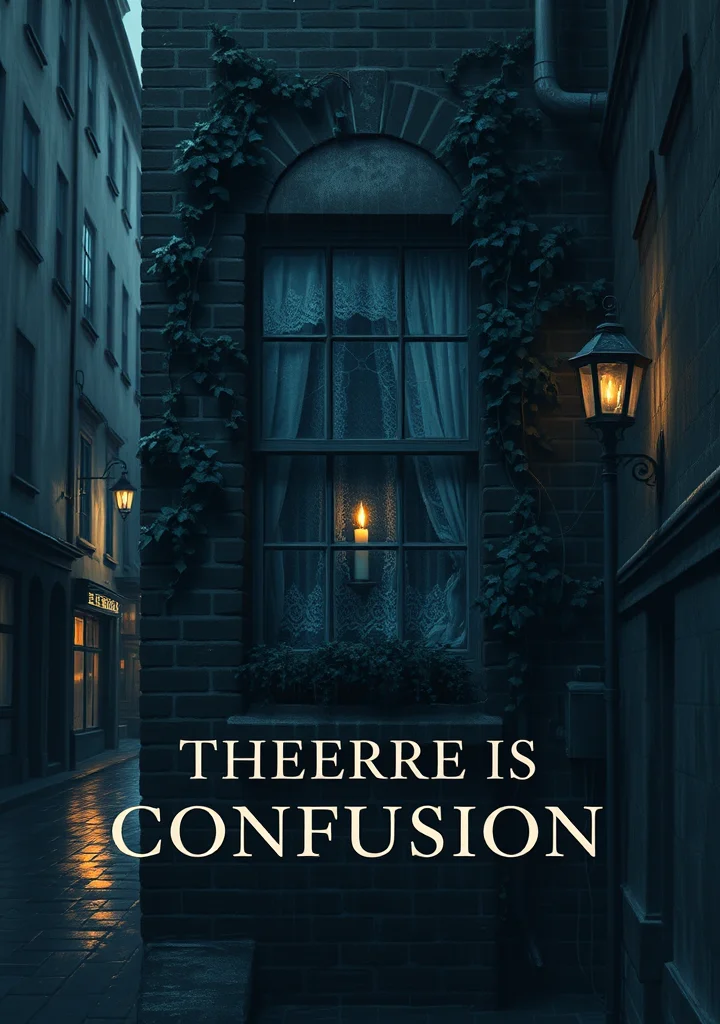
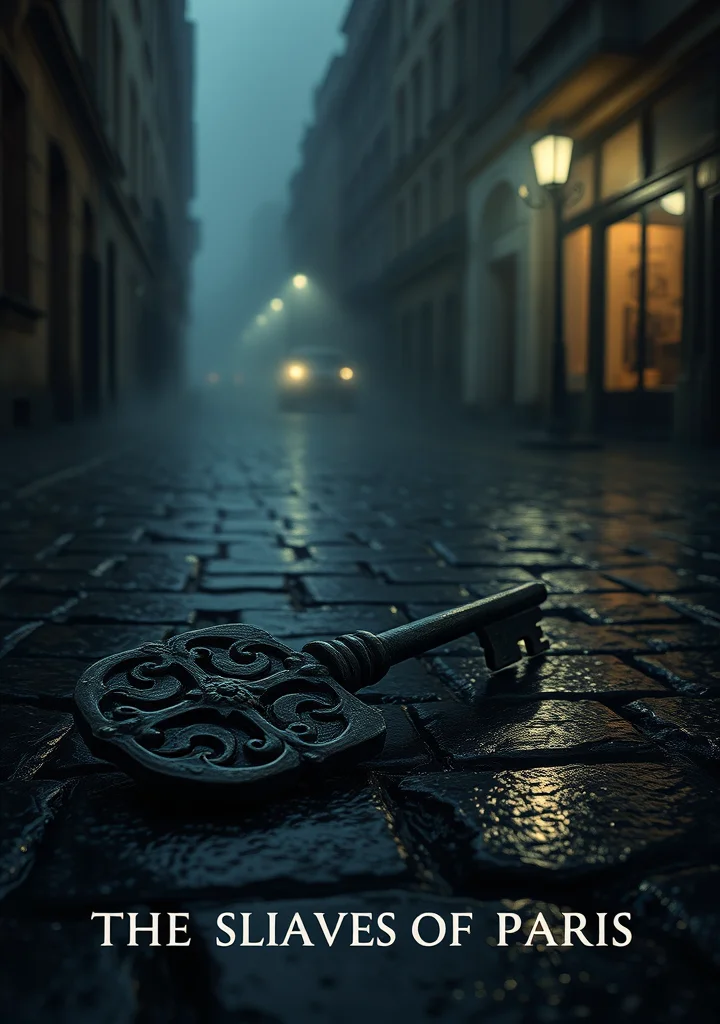
A suffocating fog clings to the cobblestones of Paris, mirroring the miasma of dread that seeps from the shadowed alleys and the decaying grandeur of the city’s heart. Gaboriau doesn’t offer a mere crime to unravel, but a descent into a labyrinthine underworld where the desperate are bound by debts of flesh and spirit to a cabal of silent, unseen masters. The air is thick with the scent of rot—not just of corpses discovered in the Seine, but of lives systematically broken down, of wills surrendered to a creeping, insidious control. Each chapter feels like a stolen glance through a keyhole, revealing glimpses of shadowed figures flitting between pawn shops and opium dens. The narrative winds through a decaying aristocracy, haunted by past sins and complicit in present ones, and a brutalized underworld of forgers, thieves, and the discarded. It’s a Paris where every whispered confidence is a transaction, every act of kindness a snare, and the boundaries between victim and predator blur into a sickening grey. The novel doesn't build to a climactic reveal, but rather unravels like a unraveling shroud, revealing not *who* commits the crimes, but *how* the very fabric of Parisian society is woven with corruption. A sense of helplessness pervades, a suffocating weight that descends with the Parisian rain. The reader is not merely observing a mystery; they’re being submerged in the moral decay of a city on the brink of collapse, where the only true currency is silence, and the price of freedom is paid in stolen breaths.