
-
Read 417
-
0
-
Part 15
Completed, First published Mar 02, 2026
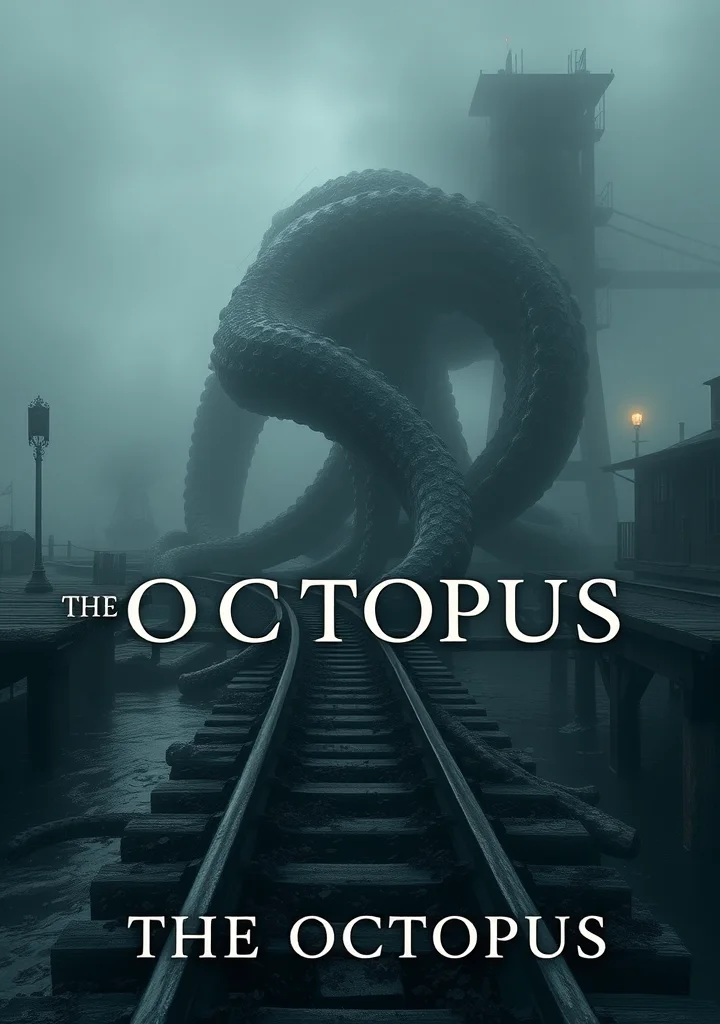
A creeping dread clings to the San Francisco waterfront, thick as the fog rolling in from the grey expanse of the Pacific. The Octopus doesn't merely tell a story; it *breathes* the salt-laced air of a city strangled by avarice. Here, the railroad’s iron tendrils coil around the lives of ranchers and farmers, slowly, inexorably crushing them under the weight of its insatiable hunger. The narrative descends into a suffocating darkness, a claustrophobic spiral of escalating conflict where the human spirit is ground to dust against the grinding gears of industrial power. Sun-baked fields bleed into shadowed saloons, echoing with the desperation of men driven to the brink. A sense of impending doom permeates every chapter, a slow, agonizing suffocation by the very systems meant to uplift. The scent of decay – of broken promises, of fortunes won and lives lost – hangs heavy in the air. It is a world where the line between victim and predator blurs, where the very earth seems to groan under the strain of progress, and where the ocean itself offers no escape, only a mirroring of the vast, uncaring forces at play. The novel doesn't offer resolution, but a chilling immersion into a landscape consumed by its own monstrous appetite.
Copyright: Public Domain
This license allows anyone to use your story for any purpose, including printing, selling, or adapting it into a film freely.
This license allows anyone to use your story for any purpose, including printing, selling, or adapting it into a film freely.
Recommended for you