
Vile Bodies
  • 286
  • 0
  • 13
  • Read 286
  • 0
  • Part 13
Completed, First published Mar 02, 2026

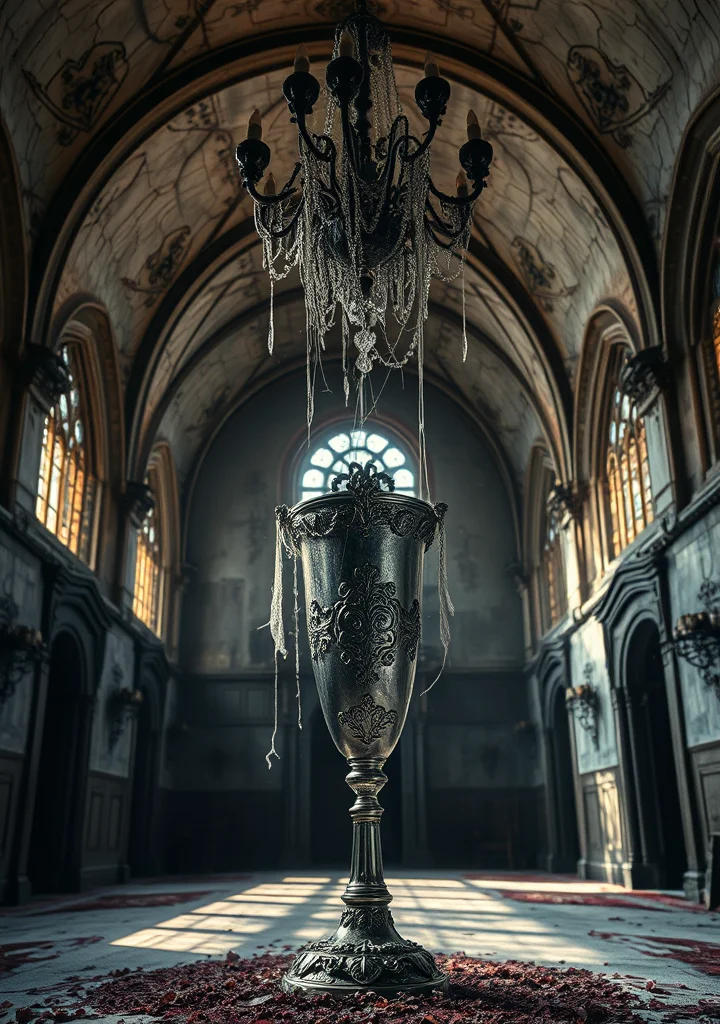
A creeping dread clings to the decaying grandeur of post-war England. Waugh’s narrative exhales a miasma of stale champagne and regret, charting the unraveling of a generation adrift in hedonism’s final, brittle gasp. The story isn’t simply *told*, it’s exhaled through the cracked plaster of crumbling estates and the hollow laughter echoing in deserted ballrooms. Each character is a phantom limb of a lost aristocracy, flailing in a darkness lit only by the flickering embers of their own self-destruction. The prose itself is a venomous caress, detailing not the action, but the rot *beneath* it. A pervasive sense of sickness – not physical, but spiritual – permeates every gilded cage. The narrative is less a journey through plot than a descent into a fever dream of bad faith and broken vows. It’s a world where the shadows lengthen with each passing hour, and the only certainty is the encroaching oblivion, a darkness mirrored in the vacant eyes of those who’ve already begun to fade. The novel doesn’t end with a crash, but a slow, agonizing dissolution, like a beautiful corpse consumed by maggots under a pale moon.
Copyright: Public Domain
This license allows anyone to use your story for any purpose, including printing, selling, or adapting it into a film freely.
Recommended for you

169 Part
The air hangs thick with woodsmoke and the scent of damp earth, a perpetual twilight clinging to the fringes of England’s last wild spaces. Lavengro unfolds not as a story *told*, but as a half-remembered dream wrestled from the mire of memory, a descent into the shadowed world of the Romani. It breathes with the rhythm of the road, the crackle of fires under star-strewn skies, the rasp of rough-spun cloth against skin. This is a narrative of stolen moments—a boy adrift, caught between the respectable world and the brutal, beautiful lawlessness of the tinklers and gypsies. But the pull of the wild blood, the lure of a life lived outside the gaze of judgement, is more than mere escape. It’s a reckoning with a past steeped in violence, betrayal, and the haunting echoes of familial curses. The prose itself mimics the landscape – thorny, overgrown, and obscuring as much as it reveals. There’s a pervasive sense of dread, not from specters or ghouls, but from the cold, calculated cruelty of men driven to desperation. The characters are ghosts within their own lives, haunted by debts, grudges, and the insatiable hunger for freedom. Lavengro isn’t simply *about* the road; it *is* the road – a twisting, treacherous path leading toward an oblivion of the spirit, where the boundaries between hunter and hunted blur until only the desperate, gasping heartbeat remains. It smells of horses, of iron, of the coming storm, and the quiet resignation of those who have already lost everything.
33 Part
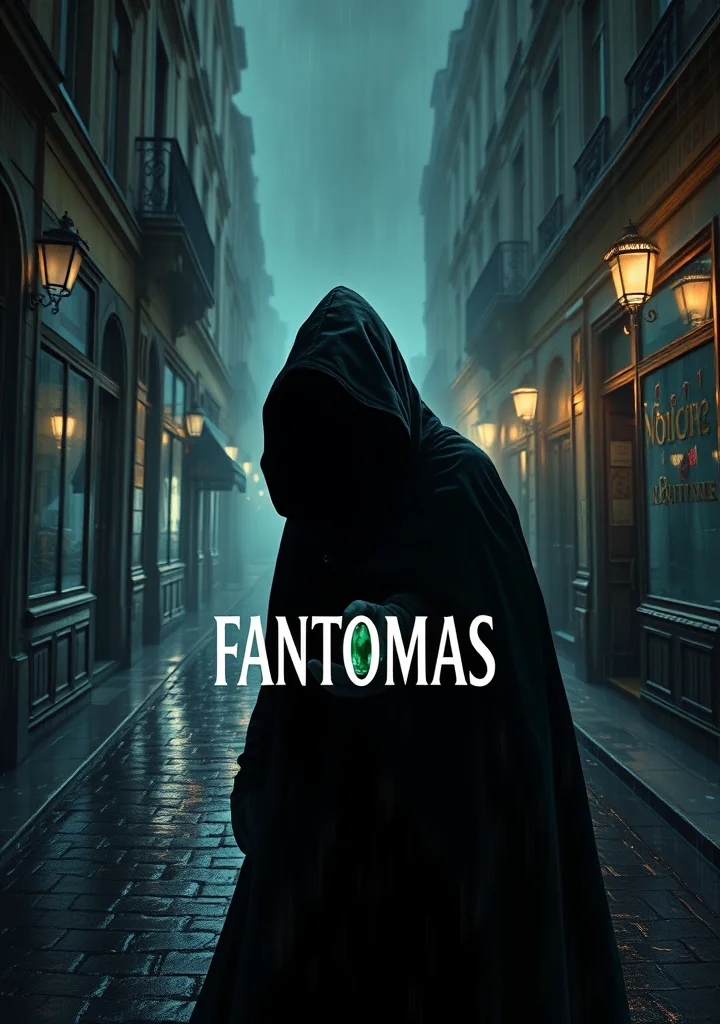
A creeping dread descends from the Parisian rooftops, clinging to the gaslit alleys like a phantom’s breath. Fantômas is not merely a criminal, but a negation—a void carved into the heart of the city, reflecting back its deepest fears. The narrative coils around a relentless pursuit, a dance between law and shadow where the hunter becomes the hunted, and the line between reality and nightmare dissolves with each stolen jewel and whispered accusation. The atmosphere is one of suffocating elegance, a world of opulent salons and labyrinthine sewers, all shadowed by the looming specter of a man who *isn’t* a man. Every act of defiance, every audacious theft, is performed with a theatrical flourish, leaving behind not evidence, but an unsettling echo of impossible physics. The story bleeds into a fever dream of disguises, identities fracturing under the weight of obsession. A relentless, suffocating paranoia permeates every page. The reader is drawn into a vortex of shifting loyalties, where even the most trusted allies harbor the scent of decay. The true horror isn’t what Fantômas *does*, but the unsettling realization that he embodies the chaos lurking beneath the veneer of order, a darkness that threatens to consume the very foundations of civilization. It is a chase not for a criminal, but for the reflection of a city’s soul, and the chase will leave you breathless, haunted by the certainty that Fantômas is always already *everywhere*.
71 Part
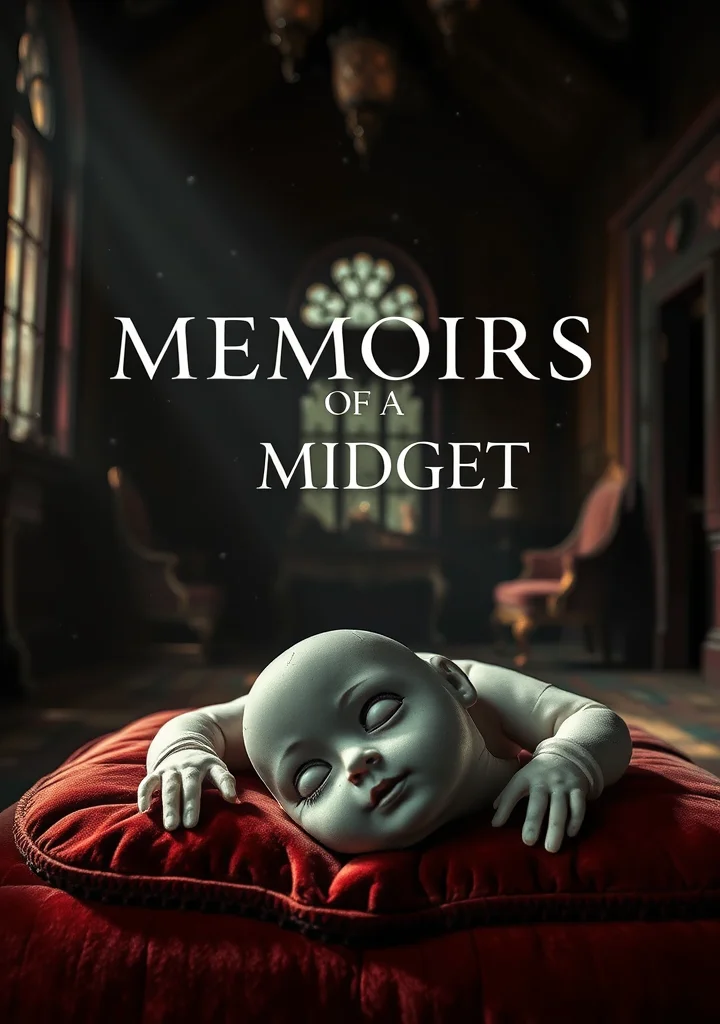
The air hangs thick with dust and the scent of decay, clinging to the shadowed corners of a decaying manor house. Within, a life unfolds not as a grand narrative, but as a series of fragmented recollections – whispers of a man diminished, both physically and in stature, swallowed by the suffocating grandeur of his ancestral home. The narrative coils like ivy around crumbling stone, a slow, deliberate unveiling of isolation. Each memory is a chipped porcelain doll, beautiful yet fractured, reflecting a childhood steeped in morbid fascination and the stifled resentment of those who towered above him. The prose is a draught from a forgotten cellar, laced with the chill of loneliness. Sunlight feels like an intrusion, unwelcome on skin that has grown accustomed to perpetual twilight. The reader is not merely told of the man’s smallness, but *feels* it – the weight of averted gazes, the echoing emptiness of rooms too vast for his presence, the insidious erosion of self-worth. The house itself breathes, a living thing that both protects and imprisons. The garden, overgrown and feral, mirrors the tangled, thorny emotions within. A palpable sense of dread permeates every chapter, not from external horrors, but from the creeping rot of a soul consumed by its own quiet desperation. It is a haunting, not of ghosts and ghouls, but of the hollow ache of being unseen, unheard, and utterly alone in a world built for giants. The final pages feel like a descent into a suffocating darkness, where the only sound is the fading echo of a life lived beneath the shadow of its own making.
39 Part
Dust motes dance in the long, shadowed galleries of memory, mirroring the glacial drift of a nation’s ambition. This is not a tale of triumph, but of erosion – the slow, meticulous wearing away of a man against the granite indifference of time and progress. Henry Adams, adrift in a Boston steeped in fading grandeur, observes the brutal calculus of a world remade by steam and steel. He is a witness to the cataclysm of the American soul, where the gilded age is less a celebration and more a mausoleum of vanished dynasties. The narrative unfolds as a series of fragmented relics, a collection of portraits in shadow, each face a testament to the futility of human design against the encroaching forces of entropy. A chill permeates the salons and train cars alike, a sense of inevitability that clings to the very stone of Washington. The weight of history, the burden of an inherited past, presses down on Adams, suffocating him in the suffocating elegance of a civilization already decaying from the core. He moves through the ruins of his own lineage, haunted by the specters of fathers and their forgotten gods, as the new idols of industry rise on foundations of ash and ambition. The air is thick with regret, with the phantom scent of lost fortunes and broken promises. It is a study in decay, rendered in the cold, precise light of a man who understands that even the most magnificent structures are ultimately destined to crumble into dust.