
California Skeptic
  • 38
  • 0
  • 9
  • Read 38
  • 0
  • Part 9
Completed, First published May 09, 2026

The novel follows Quinn as she navigates a fresh start in California, arriving to live with her brother, Tyler, and his roommate. Initial resentment simmers as she adjusts to her new surroundings and unpacks the complexities of sibling dynamics. Unexpected encounters quickly follow, including awkward interactions with Tyler’s roommate, Kane, and a surprising introduction to university life with a dancer named Tray. As Quinn’s first days unfold, she finds herself observing unexpected connections and grappling with insecurities, all while beginning to form first impressions in a new landscape. These chapters trace the start of her adult life and hint at budding attraction.
Copyright: All Rights Reserved
No person is allowed to use, redistribute, or modify your work in any form without your explicit permission.
Recommended for you
10 Part
Dust motes dance in the perpetual twilight of decaying Parisian apartments, mirroring the slow rot of ambition within the hearts of its inhabitants. A suffocating stillness clings to these shadowed rooms, where men—and a single, brittle woman—have pledged themselves to a cold, calculated austerity. Not for God, nor for love, but for the relentless accumulation of power, the silent, parasitic growth of influence woven into the very fabric of the city’s underbelly. Each gesture is measured, each glance a ledger entry. The air tastes of stale ambition and the lingering scent of denied desire. The narrative unfolds like a tightening noose, detailing not the act of living, but the meticulous subtraction of humanity. Rooms become tombs, draped in the funereal silks of wealth; conversations are brittle exchanges of debts and futures. A creeping dread permeates the cobblestone streets, where the celibates move like specters, their pallid faces reflecting the gaslight’s sickly glow. The city itself breathes with a morbid pulse—a labyrinth of whispered transactions, decaying grandeur, and the gnawing hunger of those who have sacrificed everything for a throne of cold, indifferent gold. The true horror lies not in what is done, but in the chilling precision with which lives are hollowed out, leaving only the skeletal framework of ruthless calculation. It is a story of shadows consuming shadows, where even silence becomes a weapon wielded with terrifying grace.
169 Part
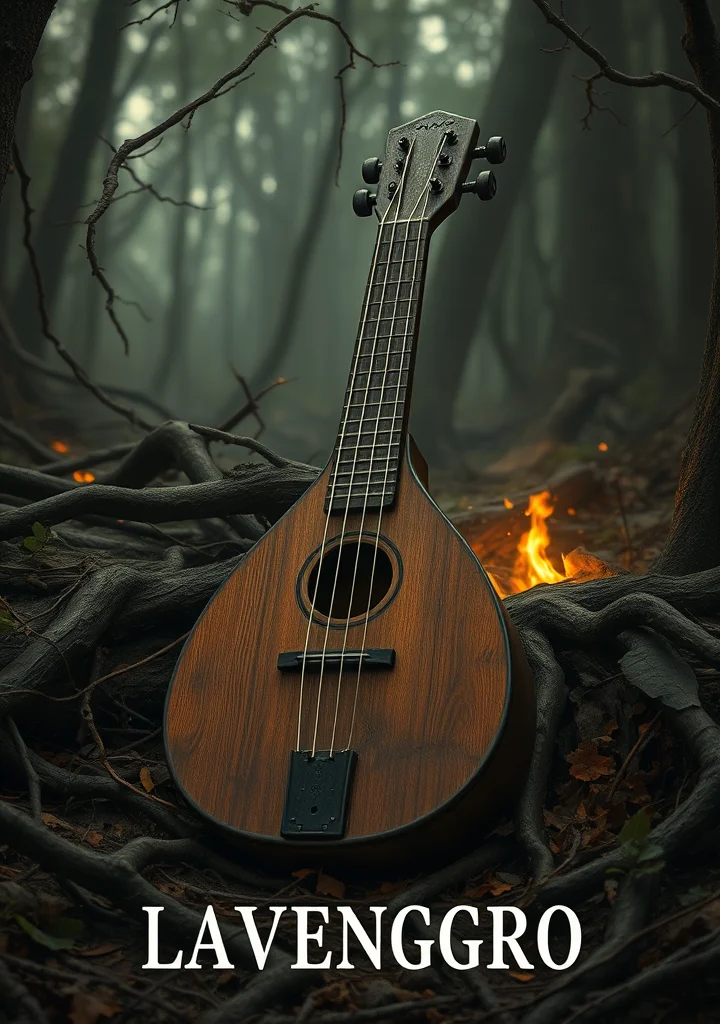
The air hangs thick with woodsmoke and the scent of damp earth, a perpetual twilight clinging to the fringes of England’s last wild spaces. Lavengro unfolds not as a story *told*, but as a half-remembered dream wrestled from the mire of memory, a descent into the shadowed world of the Romani. It breathes with the rhythm of the road, the crackle of fires under star-strewn skies, the rasp of rough-spun cloth against skin. This is a narrative of stolen moments—a boy adrift, caught between the respectable world and the brutal, beautiful lawlessness of the tinklers and gypsies. But the pull of the wild blood, the lure of a life lived outside the gaze of judgement, is more than mere escape. It’s a reckoning with a past steeped in violence, betrayal, and the haunting echoes of familial curses. The prose itself mimics the landscape – thorny, overgrown, and obscuring as much as it reveals. There’s a pervasive sense of dread, not from specters or ghouls, but from the cold, calculated cruelty of men driven to desperation. The characters are ghosts within their own lives, haunted by debts, grudges, and the insatiable hunger for freedom. Lavengro isn’t simply *about* the road; it *is* the road – a twisting, treacherous path leading toward an oblivion of the spirit, where the boundaries between hunter and hunted blur until only the desperate, gasping heartbeat remains. It smells of horses, of iron, of the coming storm, and the quiet resignation of those who have already lost everything.