
-
Read 234
-
0
-
Part 14
Completed, First published Mar 02, 2026
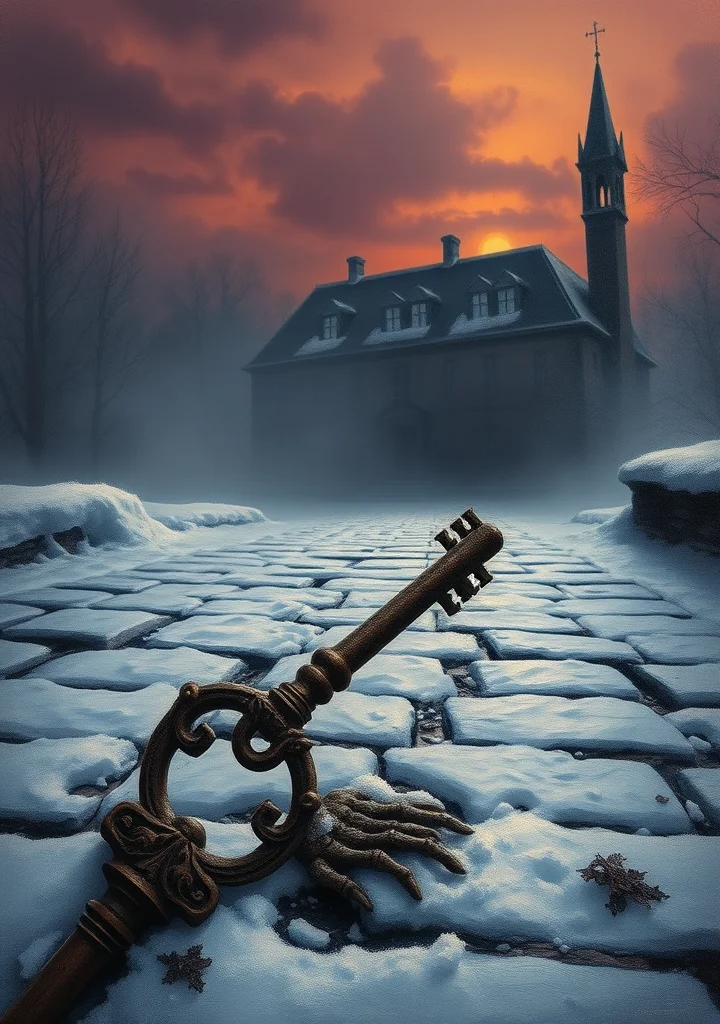
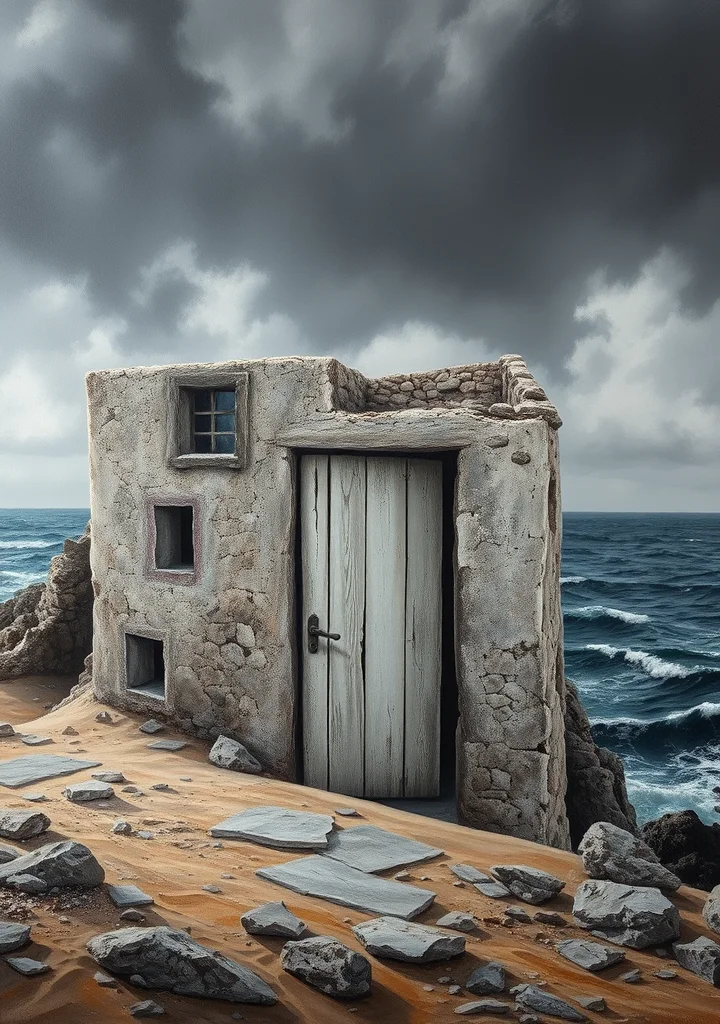
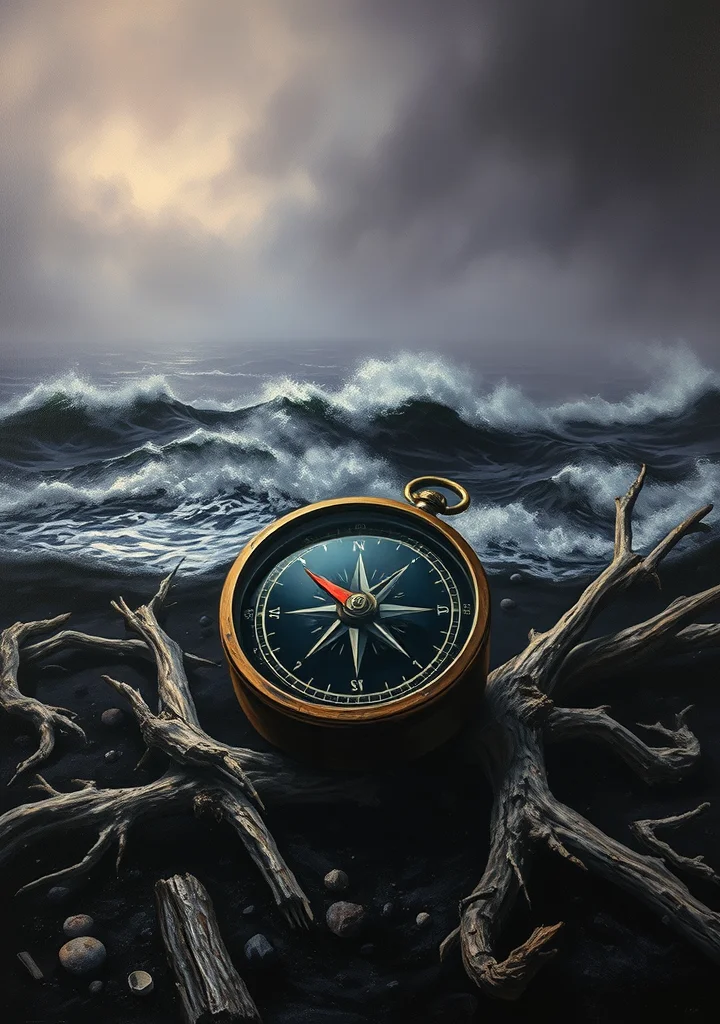
A creeping dread permeates the Danish coastline, mirroring the slow decay of Niels Lyhne’s soul. Jacobsen paints a world steeped in perpetual twilight, where the sea gnaws at the land mirroring the insidious sickness that consumes Lyhne from boyhood. The narrative unfolds as a descent into inherited despair, a preordained tragedy woven into the very fabric of his being. Fog clings to the moors, mirroring the suffocating weight of prophecy and familial curse. Each chapter feels like a stolen glimpse through rain-streaked windows, revealing fractured glimpses of a man unraveling not through choice, but through a grim inheritance. The air hangs thick with the scent of salt and rot, mirroring the corruption that blossoms within Lyhne’s fragile frame. His attempts at love, at defiance, are met not with warmth, but with the chilling inevitability of his doom. The novel doesn't rush toward its conclusion, but rather *bleeds* into it, a slow drowning in fatalism and the oppressive weight of a predetermined fate. It’s a story less of action and more of atmosphere, a haunting echo of inevitability resonating within the hollow spaces of a dying man’s heart. The reader is not merely told of despair; they are submerged within it, gasping for air alongside Lyhne as the darkness closes in.
Copyright: Public Domain
This license allows anyone to use your story for any purpose, including printing, selling, or adapting it into a film freely.
This license allows anyone to use your story for any purpose, including printing, selling, or adapting it into a film freely.
Recommended for you