
-
Read 365
-
0
-
Part 21
Completed, First published Mar 02, 2026
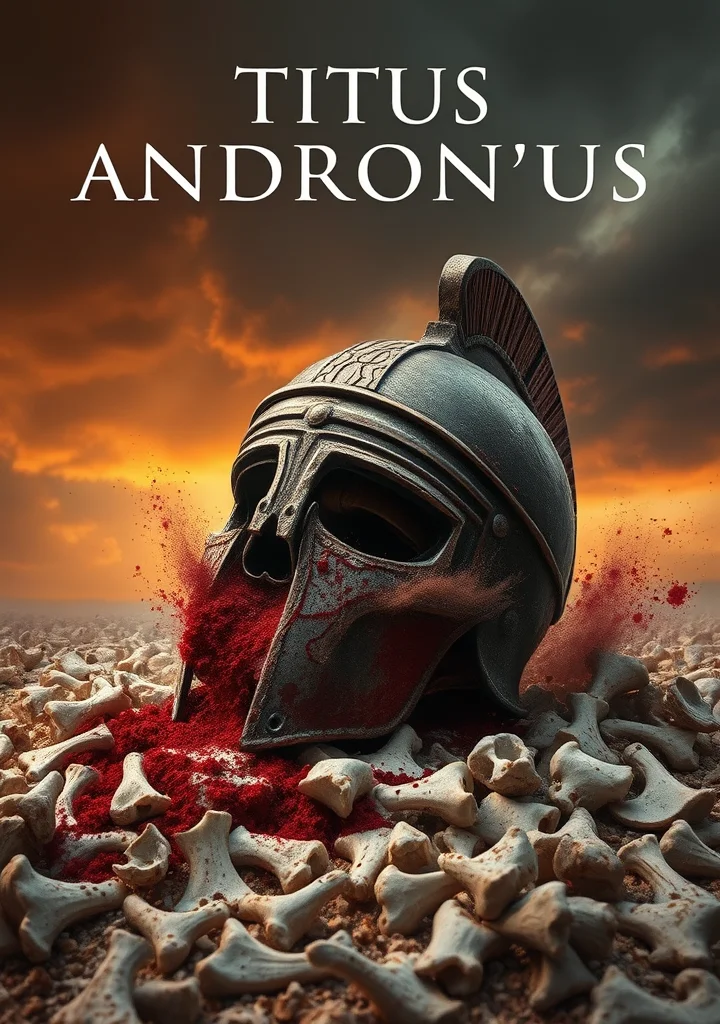
A crimson tide of vengeance stains the Roman earth. Within the crumbling grandeur of a fallen empire, shadows writhe with the scent of spilled blood and the echoes of fractured oaths. The air hangs thick with the dust of betrayal, each breath a rasp against a throat choked with grief. This is not merely a tale of retribution, but a descent into the heart of darkness where barbarity masquerades as justice.
The sun bleeds a sickly ochre over the battlefields where sons become butchers, and daughters are bartered as spoils of war. Walls whisper with the screams of the violated, and the very stones seem to weep with the weight of atrocities committed under a sky devoid of mercy.
A labyrinth of madness unfolds, woven with the threads of ambition and fueled by the ravenous hunger for revenge. Each act of cruelty births another, spiraling down into a vortex of escalating horrors where the lines between victim and tormentor blur into an indistinguishable grey.
The scent of iron clings to every breath, the taste of ash coats the tongue, and the specter of loss haunts every shadowed corner. This is a Rome consumed by its own savagery, a testament to the monstrous depths that lie dormant within the human soul, awakened by the lust for blood and the chilling promise of a final, agonizing reckoning. A darkness that will leave you haunted long after the last line has fallen into silence.
Copyright: Public Domain
This license allows anyone to use your story for any purpose, including printing, selling, or adapting it into a film freely.
This license allows anyone to use your story for any purpose, including printing, selling, or adapting it into a film freely.
Recommended for you