
-
Read 424
-
0
-
Part 31
Completed, First published Mar 02, 2026
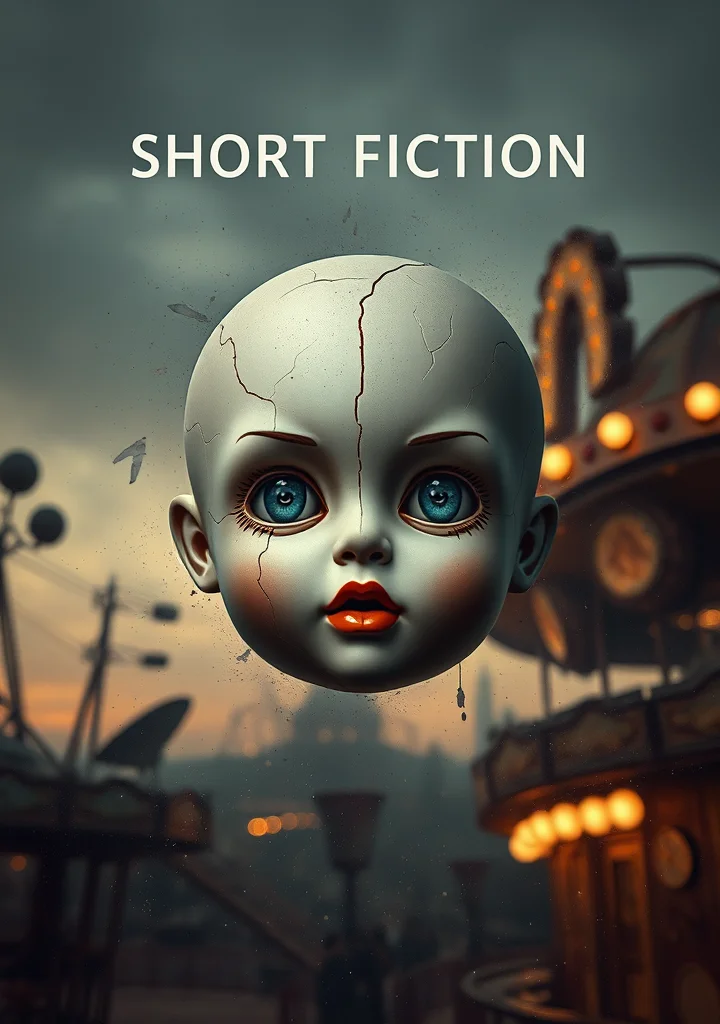
Dust motes dance in the perpetual twilight of Bradbury’s short stories, each a chipped porcelain doll of a memory reflecting a fractured world. Here, the scent of autumn rot clings to abandoned amusement parks and the static crackle of forgotten radios whispers from vacant homes. These aren’t tales of grand horror, but of the insidious decay blooming within the ordinary – the rust bloom on a child’s swing set, the hollow echo of a loved one’s voice after they’ve gone too long silent.
Every porch light casts a skeletal reach across lawns choked with weeds, illuminating the ghosts of picnics and promises. The air hangs thick with the weight of loneliness, of lives lived on the periphery of some unseen catastrophe. The narratives bleed into one another, blurring the lines between dream and waking nightmare, fueled by a pervasive melancholy that settles like ash on the tongue.
You’ll find echoes of carnival barkers promising oblivion, the hollow clang of a swing set in the dead of night, and the brittle, papery touch of forgotten photographs. It's a landscape of fading Americana, haunted by the quiet desperation of those who’ve already begun to disappear into the lengthening shadows. Each story is a moth drawn to a flickering, dying flame, and the reader, inevitably, will find themselves consumed by the same slow burn.
Copyright: Public Domain
This license allows anyone to use your story for any purpose, including printing, selling, or adapting it into a film freely.
This license allows anyone to use your story for any purpose, including printing, selling, or adapting it into a film freely.
Recommended for you