
Beauvallet
  • 129
  • 0
  • 29
  • Reads 129
  • 0
  • Part 29
Completed, First published Mar 02, 2026

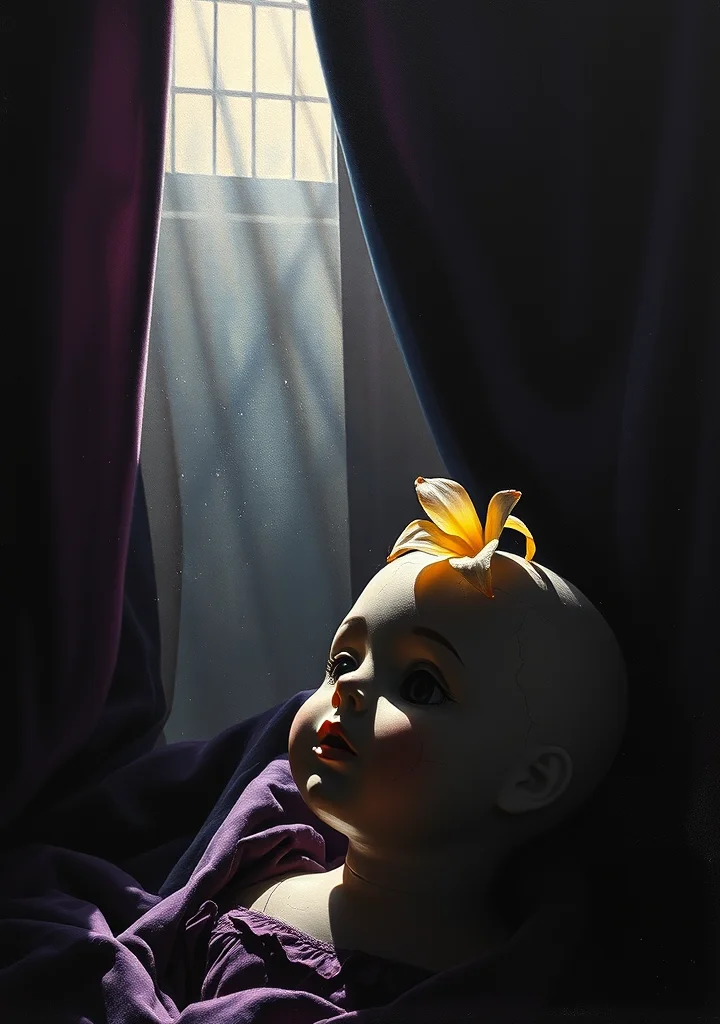
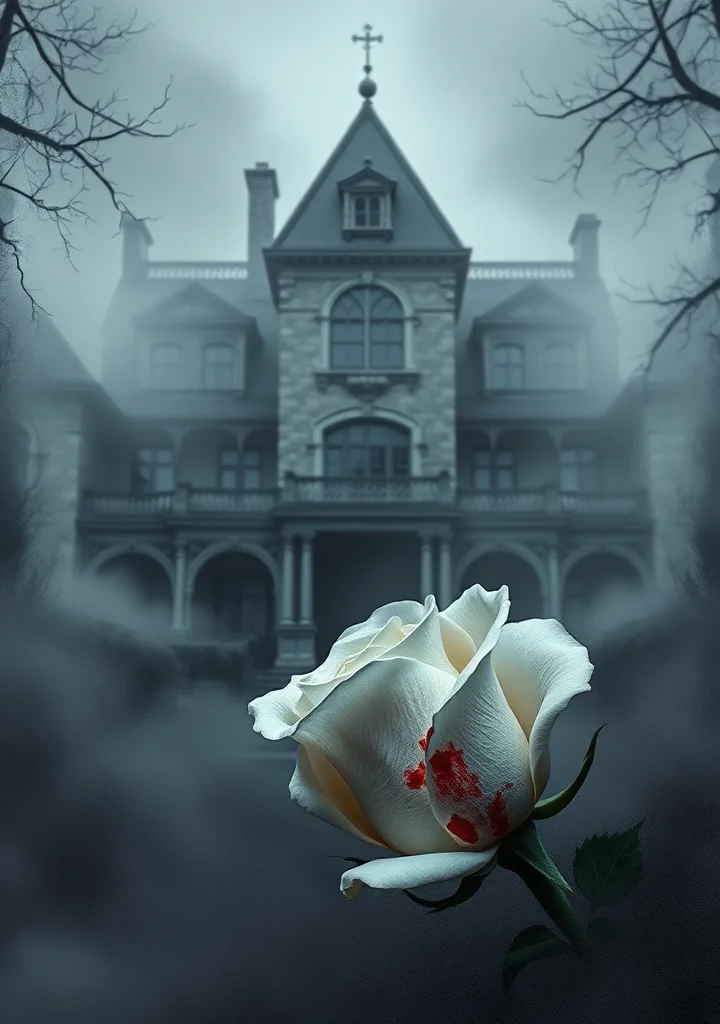
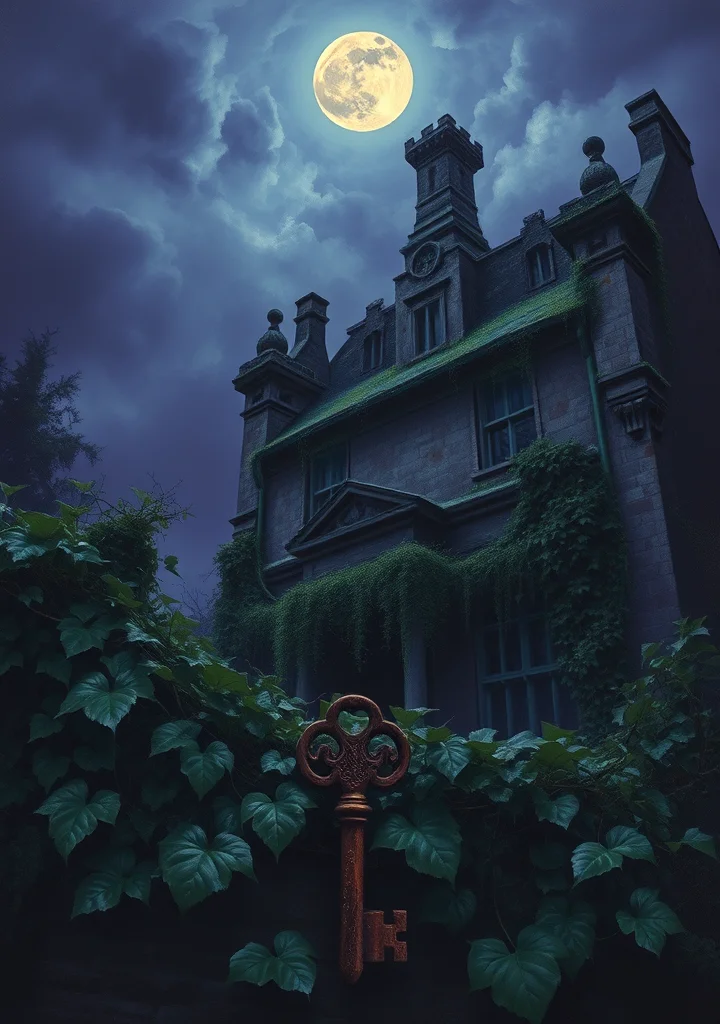
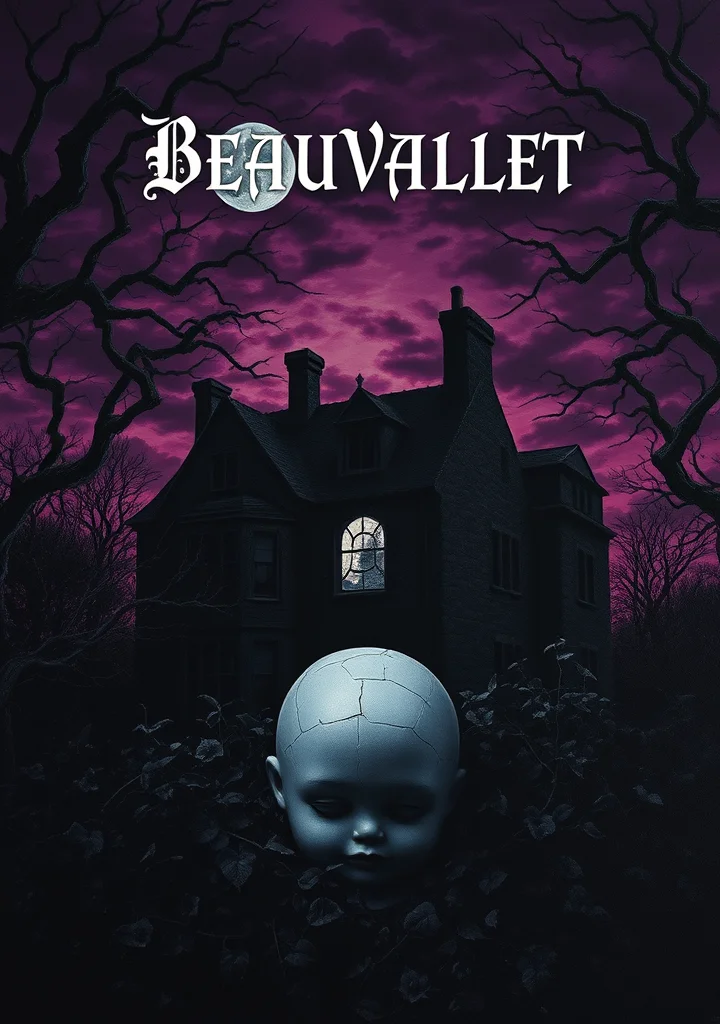
A creeping dread clings to Beauvallet, a crumbling manor haunted not by ghosts of flesh and blood, but by the suffocating weight of secrets buried within its shadowed halls. The air itself feels thick with regret, each gust of wind whispering tales of a past betrayal that curdles in the present. Here, amidst decaying grandeur and overgrown gardens, a fragile innocence is poised to shatter against the jagged edges of family history. A web of suspicion ensnares those who dare to seek answers, drawing them deeper into a labyrinth of deceit where every smile masks a calculated cruelty. Sunlight fails to penetrate the oppressive gloom, and even the most cheerful blooms seem tainted with the melancholy of forgotten sins. The very stones of Beauvallet seem to weep, mourning the loss of something precious, something stolen away by ambition and a desperate hunger for power. A suffocating stillness hangs over the estate, broken only by the rustling of unseen presences and the chilling echo of whispered accusations, promising a darkness that will consume all who linger too long within its decaying embrace. It is a place where beauty withers, and hope itself is slowly strangled by the thorns of a long-forgotten tragedy.
Copyright: Public Domain
This license allows anyone to use your story for any purpose, including printing, selling, or adapting it into a film freely.

Recommended for you
45 Part
A fog-choked New York winter yields not just snow, but a corpse—a wealthy lawyer found shot dead in his locked study, a single playing card, the queen of spades, resting upon his breast. The chill seeps into the grand brownstone of Leavenworth, a house steeped in secrets and shadowed by a family fractured by greed. A web of suspicion tightens around a cast of unsettlingly polite, yet subtly desperate characters: a grieving, yet strangely composed widow; a nephew burdened by debt and ambition; a stoic, watchful butler whose silence feels like a confession. The investigation unfolds not with brute force, but with a meticulous unraveling of domestic rituals, overheard whispers, and the delicate, deceptive language of inheritance. Every polished surface reflects a hidden motive, every shadowed corner a potential crime. The reader is drawn into a claustrophobic dance of deduction, guided by a shrewd, observant narrator who understands that the most damning evidence is often found not in what is said, but in what is *not*. The air hangs heavy with the scent of lilies and regret, the rhythmic tick of grandfather clocks marking the slow decay of trust. As the snow falls and the city darkens, the true horror isn’t the act of murder itself, but the insidious rot of family obligation and the chilling realization that even the most respectable facades conceal a darkness capable of swallowing a man whole. The Leavenworth Case is a study in how easily a life, and a fortune, can be extinguished within the suffocating elegance of a gilded age.

41 Part
A creeping dread clings to the shadowed corners of Blackwood Manor, where the decaying legacy of the Festus family festers like a wound refusing to heal. The narrative unfolds not as a story *told*, but as one *breathed* from the very stones of the estate, a suffocating presence woven into the tapestry of perpetual twilight. Each chamber exhumes the scent of mildew and regret, echoing with the phantom footsteps of generations consumed by an insidious, inherited madness. The air hangs thick with the weight of unspoken sins – whispers of alchemical experiments gone awry, of pacts forged with something ancient and hungry beneath the moor. A slow rot permeates the land, mirroring the dissolution of the Festus lineage, each heir more spectral, more fractured than the last. The novel doesn’t merely depict horror; it *becomes* it – a labyrinth of suffocating hallways, choked gardens, and the unsettling stillness of portraits whose eyes follow you with a chilling, predatory intelligence. Expect a descent into a suffocating claustrophobia of the mind, where the boundaries between dream and nightmare dissolve into a single, suffocating darkness. The landscape itself is a character, a brooding, desolate expanse that feeds on the sanity of those who dare to linger within its grasp. It is a place where the past doesn’t haunt you, it *becomes* you, molding flesh and bone to the shape of Blackwood’s unending sorrow. The narrative unfolds with the slow, deliberate cadence of a coffin being lowered into the earth, each chapter a layer of dust settling upon a forgotten grave.
45 Part
Dust motes dance in the perpetual twilight of Howards End, a house steeped in the slow decay of England’s soul. The scent of dying roses clings to the shadowed hallways, mirroring the stifled desires and unspoken griefs of those drawn to its orbit. It is a place where the past isn’t merely remembered, but *breathes* within the walls, a weight upon the chests of its inhabitants. A chill, born not of the English climate but of fractured inheritance, permeates the very brick and mortar. The narrative unfolds as a creeping fog, obscuring the boundaries between lives intertwined by circumstance and haunted by ancestral echoes. A delicate, brittle web of connection – and possession – stretches between the Schlegel sisters and the pragmatic, self-made Wilcox family. Each encounter is shadowed by a quiet desperation, a yearning for something lost or never possessed. The atmosphere is one of elegant claustrophobia: grand rooms filled with the silence of unfulfilled longing, gardens overgrown with the thorns of regret. A sense of inevitable entanglement pervades the prose, mirroring the insidious growth of ivy across the ancient stone. It is a story told in half-tones, in the rustle of silk against the gloom, in the unspoken tension of shared meals and stolen glances. The tragedy isn’t found in dramatic outburst, but in the slow erosion of hope, the stifling of breath within the gilded cage of social expectation. A haunting, pervasive melancholy clings to the pages like the damp earth of an English autumn.