
Dipasangkan oleh Dekrit
  • 8
  • 0
  • 3
  • Read 8
  • 0
  • Part 3
Ongoing, First published May 24, 2026

Dalam novel ini, siswa kembali ke Hogwarts setelah periode pemulihan, hanya untuk menghadapi dekrit baru yang mengejutkan: keterlibatan wajib dan pernikahan untuk memerangi populasi yang menurun. dan menemukan dirinya penerima perhatian ramah dari Blaise Zabini. bab ini mengungkapkan dunia bergulat dengan trauma pasca-perang dan tekanan masyarakat mencoba untuk membangun kembali, semua sementara persahabatan diuji dan hasrat romantis mulai muncul.
Copyright: All Rights Reserved
No person is allowed to use, redistribute, or modify your work in any form without your explicit permission.
Recommended for you
69 Part
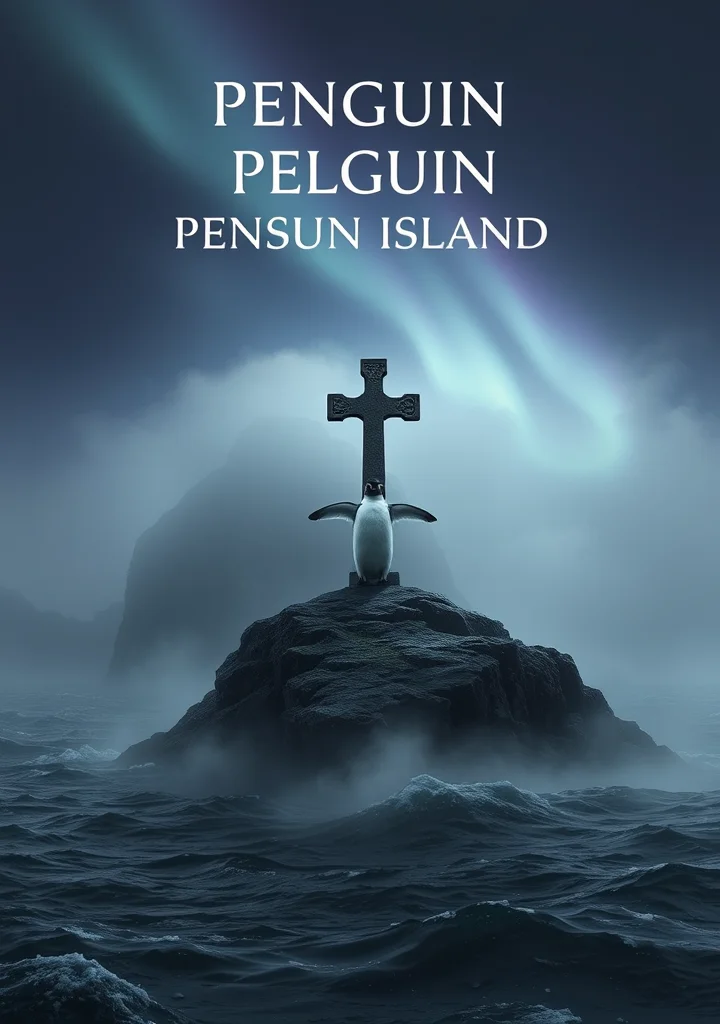
A creeping fog clings to the shores of Penguin Island, a land born not of earth but of the icy breath of the North Atlantic. The narrative drifts like wreckage on a grey sea, charting the history of a colony of penguins who, through a perverse twist of evolution and the dubious guidance of a shipwrecked priest, claim lineage from the ancient Celts. It’s a history soaked in brine and shadowed by the perpetual twilight of the Southern Ocean. The island itself is a crumbling monastery of stone and feather, where the penguin-priests chant in echoing caves, their rituals laced with a melancholic, avian piety. The air hangs heavy with the scent of fish and decay, a constant reminder of the island’s isolation. Each chapter unravels like a barnacle encrusting a forgotten hull, revealing a world where theological debate is punctuated by the screech of gulls and the mournful cry of the wind. A slow, deliberate rot pervades the narrative; the crumbling faith, the decaying structures, the very bodies of the penguins themselves seem destined to dissolve back into the churning, unforgiving sea. There’s a pervasive sense of the absurd, a mocking grandeur that clings to the story like seaweed to a drowned man’s limbs. It’s a gothic fable woven from salt spray, philosophical despair, and the unsettling, uncanny gaze of creatures forever poised between heaven and the icy abyss. The island doesn’t yield to understanding, it *consumes* it, leaving only a chill and the whisper of wings in the perpetual fog.
39 Part
A creeping fog clings to the mill towns of Yorkshire, mirroring the suffocating constraints placed upon women in a society steeped in industry and rigid expectation. Here, amidst the soot-stained brick and the relentless machinery, Shirley Keeldar, a woman of independent spirit and inherited fortune, navigates a landscape of broken strikes and simmering resentments. The air hangs thick with the scent of damp wool and the metallic tang of blood from broken looms, a constant reminder of the lives ground down by progress. Shadows stretch long from the skeletal frames of weaving sheds, mirroring the secret yearnings and frustrations that haunt the lives of those who labor within. A brittle tension winds through the narrative, not of overt horror, but of a slow, insidious decay – a crumbling of tradition, a stifling of ambition, and the chilling realization that even the most willful hearts can be broken against the gears of circumstance. The moorland wind whispers of hidden debts and the ghosts of those lost to the relentless demands of the mills. A sense of isolation permeates every encounter, even within crowded rooms, as characters grapple with their desires and their destinies. It’s a world painted in shades of grey, where hope flickers like a dying ember against the encroaching darkness, and the only escape is found in the quiet rebellion of a defiant soul. The narrative doesn’t scream, it *breathes* with the cold, damp air of a forgotten age, leaving a lingering chill long after the final page is turned.