
Reivindicação do Rio
  • 11
  • 0
  • 2
  • Read 11
  • 0
  • Part 2
Ongoing, First published May 24, 2026

A narrativa traça uma conexão volátil entre Raven e Cal River, um homem que inicialmente a rejeitou. Esses capítulos revelam uma dinâmica complexa enquanto Raven se vê atraída para a órbita de Cal, apesar de sua raiva e desconfiança. A história se desenrola em meio a uma reunião de grupos onde o conflito interno de Raven se intensifica enquanto Cal afirma sua reivindicação sobre ela. Embora inicialmente tenha se encontrado com resistência, a eventual introdução de Raven como a nova Luna provoca uma recepção surpreendente da matilha. Esses trechos sugerem uma luta crua e crua em torno dela..
Copyright: All Rights Reserved
No person is allowed to use, redistribute, or modify your work in any form without your explicit permission.
Recommended for you
384 Part
A chill wind whispers across the vast, snow-laden estates of Russia, carrying with it the scent of decaying grandeur and unspoken desires. Eugene Onegin unfolds as a spectral lament, a dance between ennui and icy longing. The narrative drifts through opulent St. Petersburg salons and desolate country landscapes, mirroring the fractured heart of its titular anti-hero. A suffocating weight of societal expectation hangs over every gilded ballroom and frozen field, breeding a pervasive melancholy that clings to the ornate interiors like frost. The story unfolds not as a rush of events, but as a slow bleed of regret, observed through the gauze of memory and regret. The characters—polished, brittle, and haunted by their own reflections—move within shadowed chambers and moonlit gardens, their passions stifled by convention. A creeping sense of doom pervades the narrative as love, ambition, and social alienation intertwine, culminating in a tragedy born not of dramatic outburst, but of quiet desperation. The prose itself breathes with the stillness of a winter forest, each phrase meticulously crafted to evoke the cold beauty of the Russian landscape and the frigid indifference of its aristocracy. It is a world of half-tones and whispered secrets, where the shadows lengthen with each passing year and the weight of unfulfilled longing threatens to consume all who dare to seek happiness within its borders. The narrative is less a tale of action, and more a haunting echo of what could have been, lingering in the frosted breath of a forgotten age.
20 Part
Dust hangs thick in the air, a suffocating weight mirroring the oppressive heat of the African veldt. This is a story born of shadowed whispers and the glint of gold fever, but its true heart beats with something far older, far more terrible. A lost brother, a trail of vanished men, and a map etched with the desperation of a dying hunter – these are the threads that pull the reader into a landscape haunted by ancient kings and the echoes of forgotten gods. The narrative unfolds not as a simple quest for treasure, but as a descent into a primal darkness. The sun bleeds across the savannah, illuminating not riches, but the skeletal remains of ambition. Each mile deeper into the unexplored territories feels like a tightening noose, woven with the superstitions of native tribes and the brutal realities of survival. The air itself is laced with dread – a palpable fear of the unseen, of the rituals performed under a crimson moon, of a power that predates civilization itself. Here, the stone breathes with the memory of sacrifice, and the very earth seems to yearn for the return of a king whose reign was carved in ivory and soaked in blood. It is a journey where loyalty is tested by the lure of the abyss, and where the line between hunter and hunted dissolves into the ochre dust of the wilderness. The gold, ultimately, is merely a blinding lure – the true treasure lies in the chilling revelation of what waits within the heart of darkness, and what price must be paid to look into its hollow eyes.
18 Part
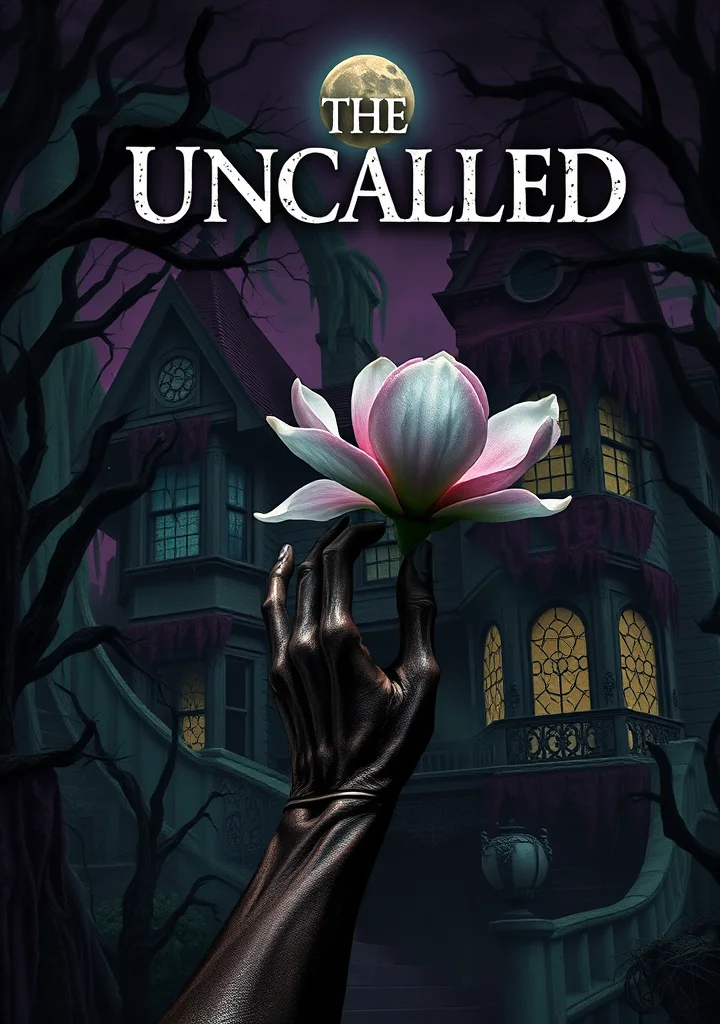
Dust hangs thick in the hollows of Havenwood, clinging to the shadowed eaves and rotting lace of the old Dunbar place. The air itself tastes of iron and regret, a perpetual twilight bleeding from the cypress swamps surrounding the crumbling mansion. Here, secrets aren’t whispered, they are *felt*—pressed against your skin like a cold hand, rising from the earth with the scent of magnolia and decay. Old Man Dunbar, they say, didn't die of fever, but of something *called* to him from the bayou, something hungry for the living breath of the house. His son, the narrator, returns to settle the estate, only to find Havenwood less a home and more a tomb, echoing with the phantom cries of those who vanished into the swamp’s embrace. Every floorboard groans with unseen footsteps, every window pane reflects a face not his own. The darkness isn't merely absence of light; it’s a presence—a suffocating weight of memory and malice. He discovers a lineage steeped in shadowed bargains, a pact made with the swamp's ancient heart. The further he delves into his father's final days, the more Havenwood seems to breathe with a life of its own, drawing him into the mire of its history. The uncalled come not as specters, but as whispers in the reeds, as faces in the water, as the slow, creeping rot that consumes all things left too long in the shadow of Havenwood. The swamp doesn’t just claim its victims; it *remembers* them, weaving their despair into the very fabric of the house, until the line between the living and the lost dissolves entirely.
90 Part
A creeping dread clings to the shadowed corners of Evelina’s world, a world meticulously observed yet perpetually on the verge of unraveling. The narrative unfolds like a slow poison, tracing the delicate bloom of a young woman navigating a society steeped in brittle politeness and concealed malice. Every stolen glance, every misinterpreted gesture, breeds a suffocating anxiety, mirrored in the claustrophobic interiors of ballrooms and drawing-rooms. A constant, low-humming tension permeates the story—not of overt horror, but of a suffocating fear of exposure, of social ruin, of the precariousness of female dependence. The author doesn’t reveal monsters in darkness, but excavates the predatory instincts lurking *within* the light. Evelina’s own innocence, while presented as virtue, becomes a fragile shield against the predatory gazes of men who orbit her with a calculating hunger. The prose itself is a delicate, almost feverish accounting of minute social anxieties. The reader is drawn into a suffocating awareness of every averted gaze, every stifled sigh, every carefully worded phrase—each a potential snare in a labyrinth of propriety. The story breathes with the stifled air of a gilded cage, where smiles mask calculation, and every act of kindness feels laced with expectation. A creeping sense of claustrophobia settles over the pages as Evelina’s fragile hope is shadowed by the ever-present threat of social catastrophe. It’s a world where the most insidious terrors are born not from monsters, but from the exquisitely refined cruelty of the human heart.