
Rios Retorno
  • 12
  • 0
  • 4
  • Read 12
  • 0
  • Part 4
Ongoing, First published May 24, 2026

Rivers Return traça uma história de laços fraturados e mudanças perturbadoras. A narrativa começa com Seth Knight aguardando o retorno de Belle Rivers, uma amiga de infância cuja chegada parece ligada ao seu próprio desvendamento. Em outros lugares, uma irmã-passo conforta seu irmão de coração partido enquanto navega por sua própria fuga do romance do mundo real. medida que os personagens retornam à sua cidade natal, reuniões inesperadas ocorrem ao lado de sussurros de um Seth transformado – agora conhecido como “The Beast” e um comportamento destrutivo..
Copyright: All Rights Reserved
No person is allowed to use, redistribute, or modify your work in any form without your explicit permission.
Unlock an audio chapter to start listening.
Recommended for you
42 Part
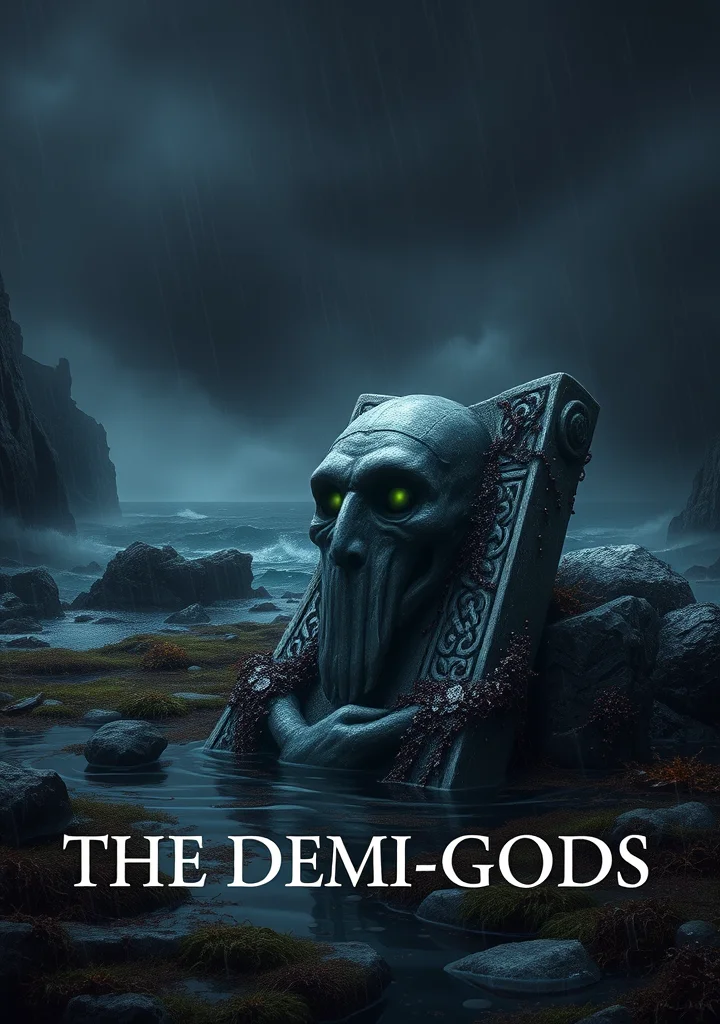
A creeping dread clings to the Irish coast, thick as the bog mire that swallows men whole. Stephens weaves a tale not of heaven or hell, but of the liminal spaces between, where the remnants of ancient, pagan deities bleed into the fractured lives of mortals. The narrative unfolds within a suffocating village steeped in superstition, where whispers of forgotten gods stir in the peat smoke and the sea’s cold breath carries the scent of something older than time. Each character is a fractured vessel—a priest haunted by visions, a woman possessed by a spectral sorrow, a boy touched by the cold hand of the otherworld. Their desires, their failures, their very breaths seem drawn from the decaying grandeur of a lost age. The world isn’t simply haunted; it *is* haunting—a slow rot of the soul mirroring the crumbling stone circles and the drowned chapels swallowed by the relentless tide. The prose itself feels like unearthed bone, brittle and cold, layered with the scent of brine and decay. Stephens doesn’t offer salvation, only a glimpse into the echoing emptiness where the gods once walked, leaving behind only echoes of their power and the lingering stain of their absence. It’s a world where the boundaries between reality and nightmare blur, where every shadow holds a watchful eye, and the very earth seems to breathe with a mournful, forgotten hunger. The air tastes of salt and regret, and the story unfolds like a slow, inexorable drowning in the grey light of a dying world.
10 Part
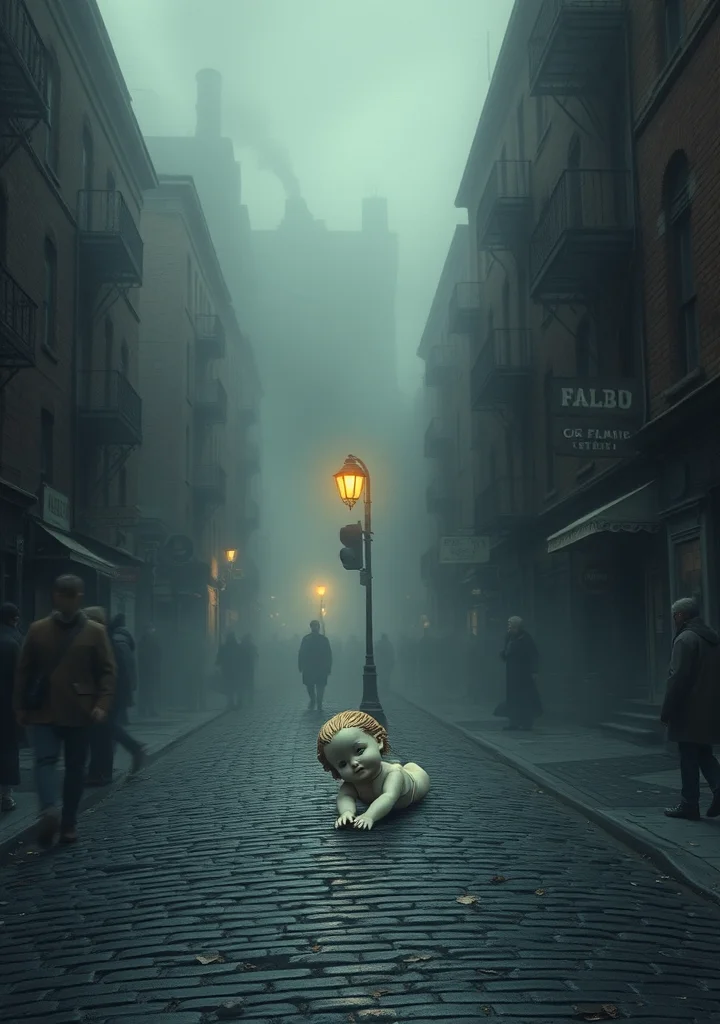
A creeping fog clings to the crumbling tenements of industrial cities, mirroring the stagnation within the minds of their inhabitants. This is not a tale of spectral hauntings, but of a more insidious decay—the erosion of connection, the calcification of habit. Within the labyrinthine streets, shadowed by factory smoke, faces blur, indistinguishable in their compliance. A suffocating sense of isolation permeates each brick edifice, each cobbled lane, a despair born not of malice, but of apathy. The narrative unfolds as a slow, suffocating descent into a world where individual will has been subsumed by the cold logic of the machine. Every transaction, every gesture, is a repetition of the meaningless. The weight of expectation, a leaden shroud, smothers any spark of genuine exchange. Voices, once vibrant with dissent, are reduced to murmurs, swallowed by the echoing chambers of a society built on pretense. A pervasive melancholy settles upon the reader, as they witness the quiet disintegration of shared purpose. The architecture itself seems to mourn, its decaying grandeur reflecting the decay of the civic spirit. A sense of dread permeates the very air—not a sudden, violent horror, but the chilling realization that the rot has taken root, and the edifice of public life is crumbling from within, leaving only hollow shells of expectation and regret. The silence is the loudest terror, a testament to the problem’s insidious, irreversible grip.