
Silent Steps
  • 7
  • 0
  • 2
  • Read 7
  • 0
  • Part 2
Completed, First published May 30, 2026

The narrative traces an unusual connection forged through silent observation. In these chapters, a man named Notti repeatedly discovers a woman dancing in unexpected, secluded spaces – an abandoned theater and a school auditorium. Drawn to her grace, he watches her practice, initially hesitant to reveal himself. The story unfolds as Notti’s curiosity deepens, culminating in a startling revelation about the dancer, Mason, and her blindness. These chapters hint at a world where movement speaks volumes and observation can blossom into something more, though the nature of their connection remains elusive.
Copyright: All Rights Reserved
No person is allowed to use, redistribute, or modify your work in any form without your explicit permission.
Recommended for you
16 Part
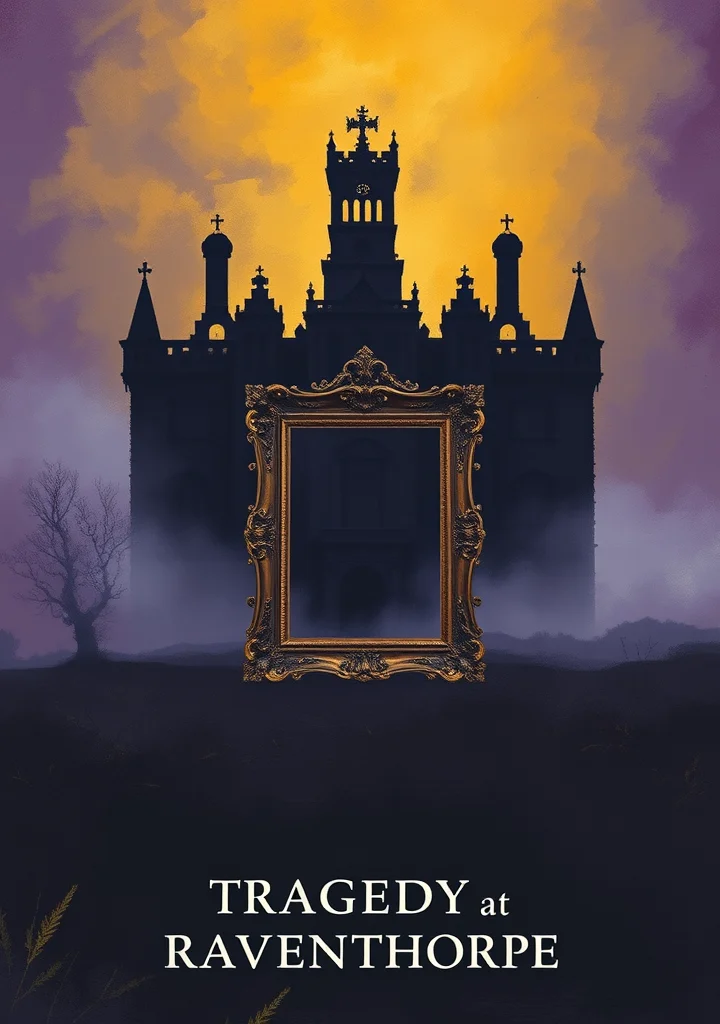
A creeping dread clings to the Yorkshire moors, mirroring the decay within Ravensthorpe Manor. The estate, a skeletal silhouette against perpetual twilight, holds a silence thicker than the November fog—a silence punctuated only by the frantic whispers of servants and the brittle coughs of its ailing master, Sir Alistair. He is a man haunted by shadows, both real and imagined, obsessed with uncovering a family curse tied to a missing heir and a portrait whose eyes seem to follow every movement. The narrative unfolds through fragmented diary entries and feverish accounts from those trapped within Ravensthorpe’s stone embrace. Each revelation unravels not a solution, but another layer of suffocating grief and ancestral guilt. The scent of damp earth and dying roses permeates every room, clinging to the velvet drapes and tarnished silver. A suffocating claustrophobia settles over the reader as the investigation descends into a labyrinth of secret passages, forgotten crypts, and the chilling echoes of past tragedies. The manor itself is a character, breathing with a malevolent history. Rain lashes against the leaded windows, mirroring the tempest brewing within the hearts of those who dare to seek the truth. But the truth, when it finally surfaces, is not a grand revelation, but a splintering of sanity, a descent into the madness that has always festered within Ravensthorpe’s walls. It is a tragedy not merely witnessed, but inhaled—a slow, insidious poisoning of the soul.
28 Part
Dust motes dance in the shadowed halls of Sagamore Hill, a spectral presence clinging to the very timbers. This is not a tale of triumph, but of haunted ambition, a self-reckoning etched in the marrow of a man who wrestled beasts both within and without. Roosevelt’s chronicle unfolds like a fever dream—a wilderness of boyhood grief, a frontier of grief-stricken manhood, and the chilling precision of a hunter’s gaze turned inward. The narrative breathes with the scent of damp earth and the musk of dead game, echoing with the cries of vanished buffalo and the hollow resonance of loss. Each chapter is a shadowed room in a sprawling estate, filled with the stuffed trophies of conquered demons and the ghosts of those he left bleeding in the wilderness of his own making. He charts his life as a landscape of perpetual struggle, where the wilderness isn’t merely terrain, but a reflection of his own volatile heart. The sun-drenched plains become a canvas for the shadow play of his grief; his political battles, a war waged within the confines of his own restless spirit. The prose itself is a brittle, bone-dry thing—a meticulous inventory of wounds, both inflicted and endured. This autobiography isn’t a celebration of fortitude, but a chilling testament to the cost of it—a portrait of a man forever haunted by the specters of his own relentless drive, and the wild, untamed country that birthed it. The very pages seem to exhale the cold air of a shadowed study, where a man, even in recounting his victories, confesses to the solitude of his own magnificent, terrible dominion.