
-
Read 699
-
0
-
Part 71
Completed, First published Mar 02, 2026
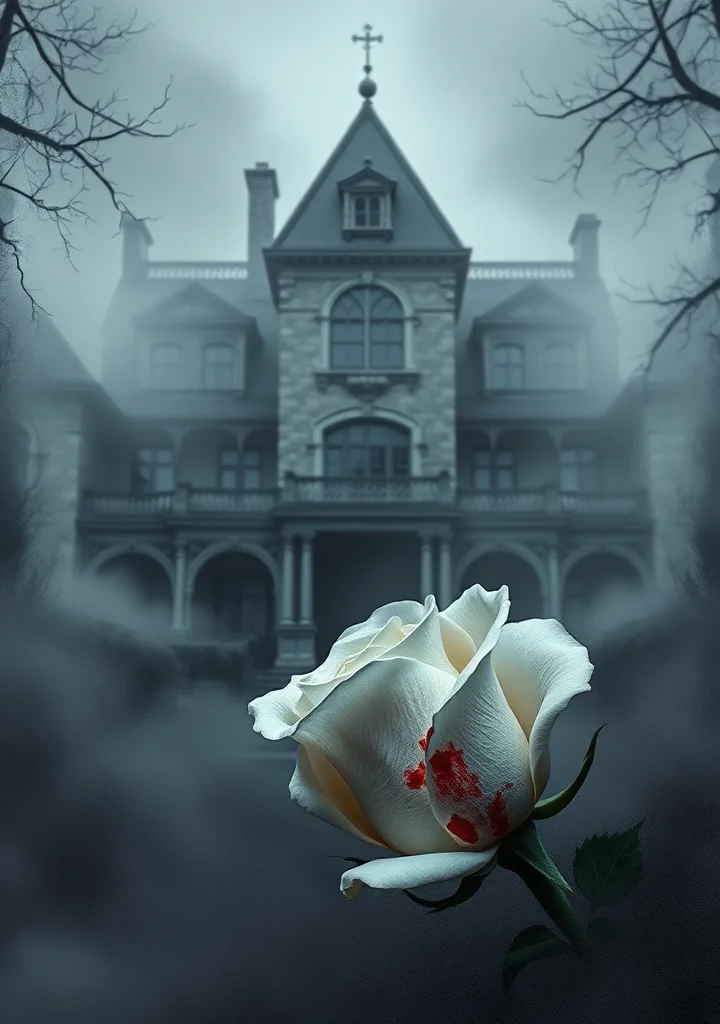
The air hangs thick and cloying, sweet with rot and the perfume of decaying magnolias. This is a story steeped in the humid breath of the Louisiana bayou, where the line between the living and the dead blurs with every Spanish moss-draped breath. Old money clings to crumbling plantation houses like Spanish, each generation buried beneath the weight of secrets blooming in the shadowed corners of the manor. A young woman returns to her ancestral home—a place whispered to be haunted by the echoes of a family tragedy involving a vanished bride and a legacy of grief. The heat presses down, mirroring the suffocating dread that coils around her as she uncovers portraits whose eyes follow, letters penned in feverish script, and the chilling rhythm of whispers carried on the wind. Every bloom is a funeral shroud, every shadow a grasping hand. The narrative unfolds like a slow poisoning—a descent into a mire of obsession, where the magnolia leaves themselves become witnesses to a darkness that has festered for generations. It's a world where the swamp's beauty conceals a monstrous hunger, and the ghosts of the past aren't seeking peace, but a terrible, insistent reckoning.
Copyright: Public Domain
This license allows anyone to use your story for any purpose, including printing, selling, or adapting it into a film freely.
This license allows anyone to use your story for any purpose, including printing, selling, or adapting it into a film freely.
Chapter List
-
« Magnolia Leaves »📖 Continue Reading
-
« Introductory »
-
« Preface »
-
« Dedication »
-
« Chapter_7 »
-
« Shipwreck »
-
« The Washerwoman »
-
« The Snowdrop »
-
« The Saxon Legend of Language »
-
« The Christ Child »
-
« Bells ofSt.Michael »
-
« The Exile’s Reverie »
-
« The Snowstorm »
-
« Maiden and River »
-
« Chicago Exposition Ode »
-
« Atlanta Exposition Ode »
-
« Stars and Stripes »
-
« To the Eagle »
-
« The Crucifixion »
-
« Uranne »
-
« Magnolia »
-
« To My Mother »
-
« Nestle-Down Cottage »
-
« Mother’s Recall »
-
« Dedicated to the RightRev’dD. A.Payne »
-
« October »
-
« The Dying Girl »
-
« Alaska »
-
« On Parting with a Friend »
-
« Twilight Musing »
-
« Song to Erin »
-
« The Valentine »
-
« Lines to Florence »
-
« “By the Waters of Babylon” »
-
« The Pen »
-
« Passing of the Old Year »
-
« Sonnet to My Firstborn »
-
« Lines to ⸻ »
-
« Highland Mary »
-
« The Cherokee »
-
« Rally Song »
-
« Serenade »
-
« The Coming Woman »
-
« Ode to Peace »
-
« A Reverie »
-
« Sunset »
-
« The Past »
-
« Marriage »
-
« For Who? »
-
« June »
-
« Tribute to a Lost Steamer »
-
« A Requiem »
-
« The Grafted Bud »
-
« To a Loved One »
-
« The Nativity »
-
« To the Mock-Bird »
-
« In Memoriam »
-
« Rev.Samuel Weston »
-
« ToRev.Thaddeus Saltus »
-
« Tribute toCapt.F. W.Dawson »
-
« Mrs.LouiseB.Weston »
-
« Lines toMrs.Isabel Peace »
-
« Chapter_65 »
-
« Mr.Edward Fordham »
-
« Death of a Grandparent »
-
« Queenie »
-
« To an Infant »
-
« In Memoriam »
-
« Chapter_71 »
-
« Mrs.E.Cohrs Brown »
-
« Mrs.Mary Furman Weston Byrd »
71
-
« Magnolia Leaves »
-
« Introductory »
-
« Preface »
-
« Dedication »
-
« Chapter_7 »
-
« Shipwreck »
-
« The Washerwoman »
-
« The Snowdrop »
-
« The Saxon Legend of Language »
-
« The Christ Child »
-
« Bells ofSt.Michael »
-
« The Exile’s Reverie »
-
« The Snowstorm »
-
« Maiden and River »
-
« Chicago Exposition Ode »
-
« Atlanta Exposition Ode »
-
« Stars and Stripes »
-
« To the Eagle »
-
« The Crucifixion »
-
« Uranne »
-
« Magnolia »
-
« To My Mother »
-
« Nestle-Down Cottage »
-
« Mother’s Recall »
-
« Dedicated to the RightRev’dD. A.Payne »
-
« October »
-
« The Dying Girl »
-
« Alaska »
-
« On Parting with a Friend »
-
« Twilight Musing »
-
« Song to Erin »
-
« The Valentine »
-
« Lines to Florence »
-
« “By the Waters of Babylon” »
-
« The Pen »
-
« Passing of the Old Year »
-
« Sonnet to My Firstborn »
-
« Lines to ⸻ »
-
« Highland Mary »
-
« The Cherokee »
-
« Rally Song »
-
« Serenade »
-
« The Coming Woman »
-
« Ode to Peace »
-
« A Reverie »
-
« Sunset »
-
« The Past »
-
« Marriage »
-
« For Who? »
-
« June »
-
« Tribute to a Lost Steamer »
-
« A Requiem »
-
« The Grafted Bud »
-
« To a Loved One »
-
« The Nativity »
-
« To the Mock-Bird »
-
« In Memoriam »
-
« Rev.Samuel Weston »
-
« ToRev.Thaddeus Saltus »
-
« Tribute toCapt.F. W.Dawson »
-
« Mrs.LouiseB.Weston »
-
« Lines toMrs.Isabel Peace »
-
« Chapter_65 »
-
« Mr.Edward Fordham »
-
« Death of a Grandparent »
-
« Queenie »
-
« To an Infant »
-
« In Memoriam »
-
« Chapter_71 »
-
« Mrs.E.Cohrs Brown »
-
« Mrs.Mary Furman Weston Byrd »
More like this