
-
Read 335
-
0
-
Part 12
Completed, First published Mar 02, 2026
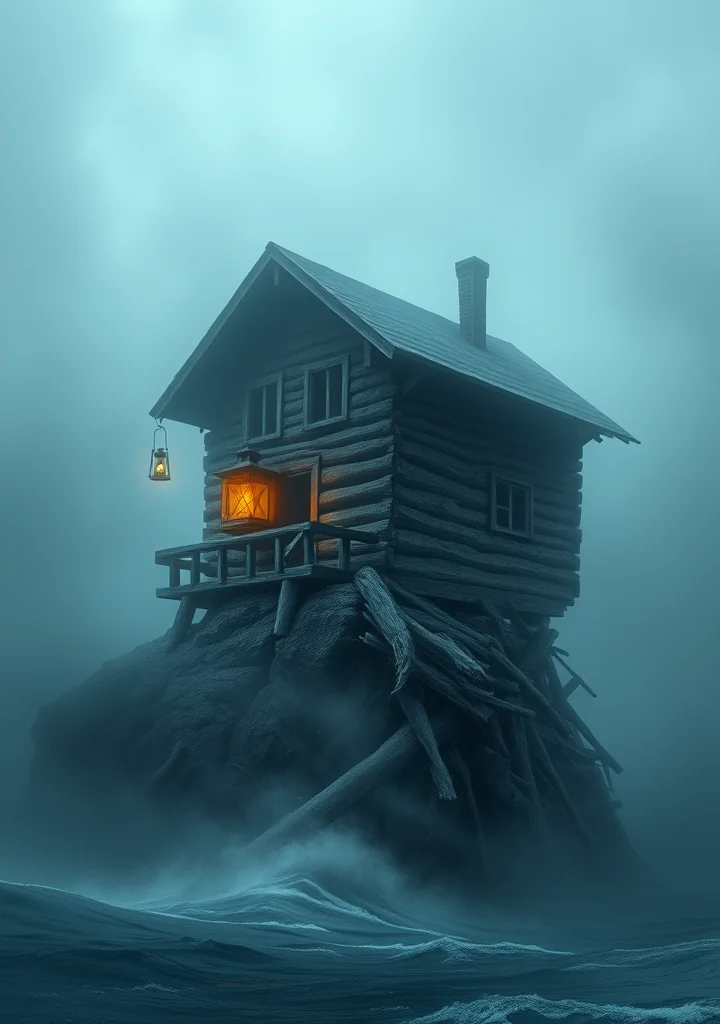
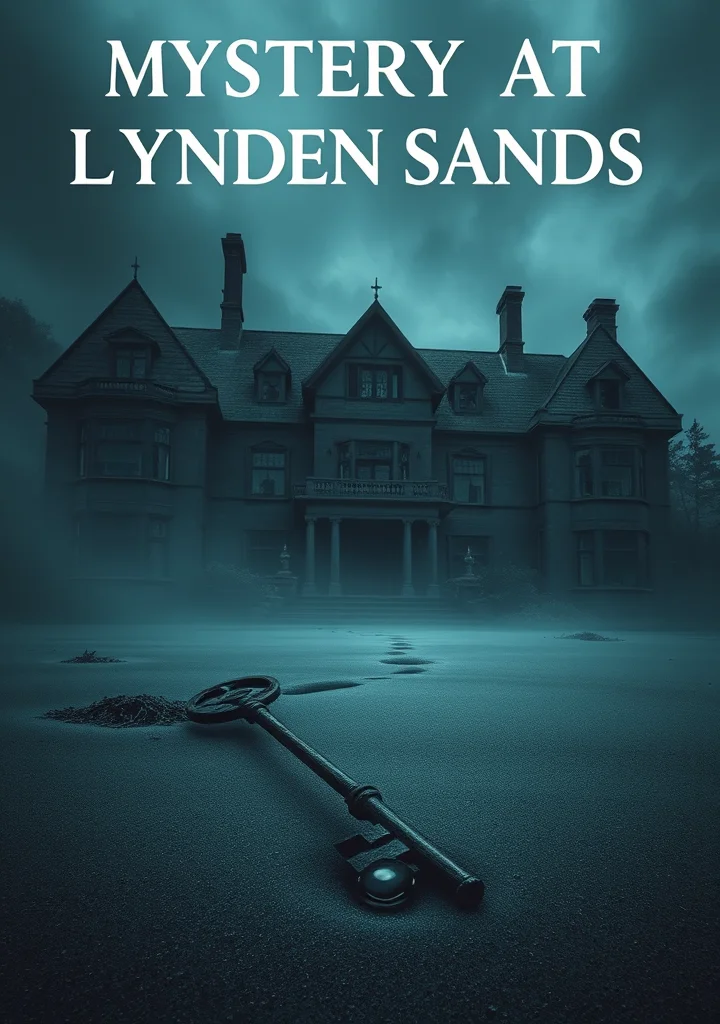
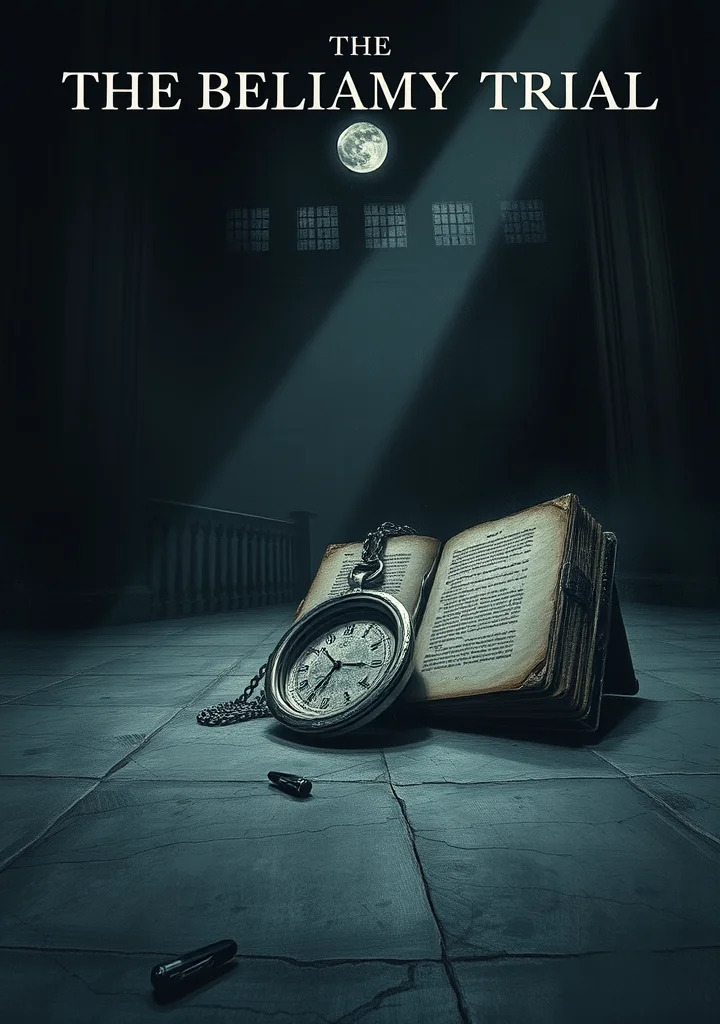
A creeping dread clings to the salt-laced air of Bellamy Island, where the sea itself seems to conspire against remembrance. The novel unfolds as a slow, deliberate unraveling, steeped in the suffocating propriety of a New England village fractured by whispers and shadowed accusations. It isn't merely a courtroom drama, but a descent into the fractured psyche of a community haunted by a vanished heiress and the chillingly ambiguous fate of her accused husband.
Each chapter feels like a crumbling photograph, bleached by the relentless glare of societal judgment. The narrative doesn’t rush toward revelation, but instead circles the truth like moths to a dying flame, illuminating the suffocating constraints of women's lives, the corrosive power of inherited wealth, and the grotesque spectacle of grief twisted into obsession.
Fog hangs heavy not just over the island’s shores, but within the echoing chambers of the Bellamy mansion, where secrets fester like barnacles on a rotting hull. The prose is laced with a subtle, insistent melancholia – a sense that even innocence is stained by the island’s pervasive darkness. The trial itself is less a search for justice and more a ritualistic dissection of a life already lost, performed under the watchful gaze of a landscape that remembers everything, and forgives nothing.
Copyright: Public Domain
This license allows anyone to use your story for any purpose, including printing, selling, or adapting it into a film freely.
This license allows anyone to use your story for any purpose, including printing, selling, or adapting it into a film freely.
More like this