
-
Read 174
-
0
-
Part 8
Completed, First published Mar 02, 2026
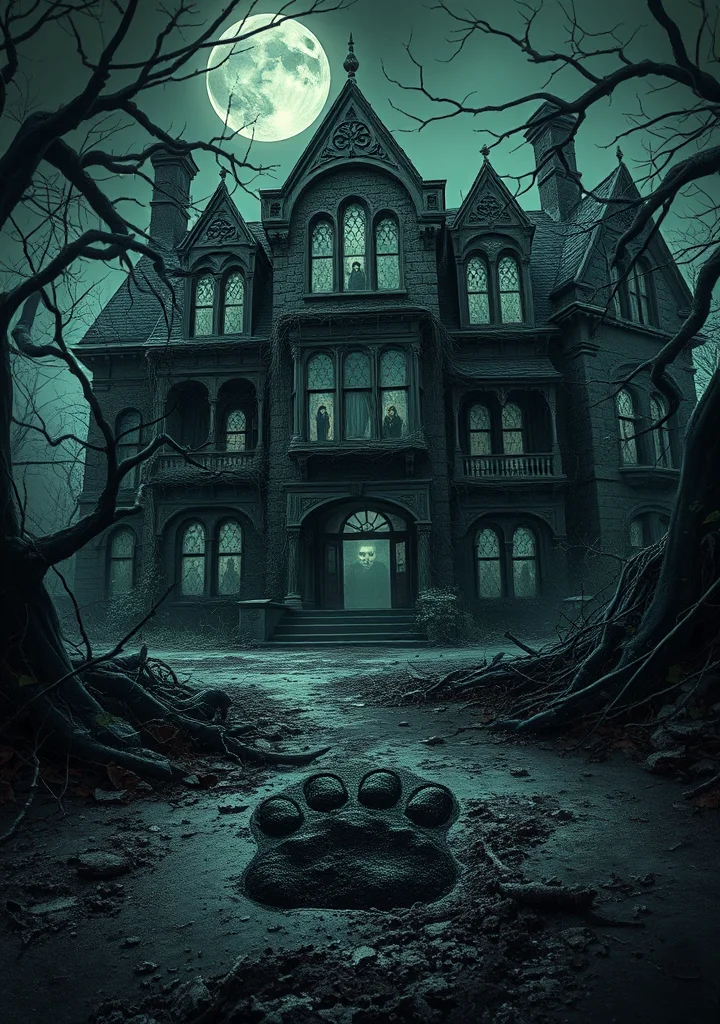
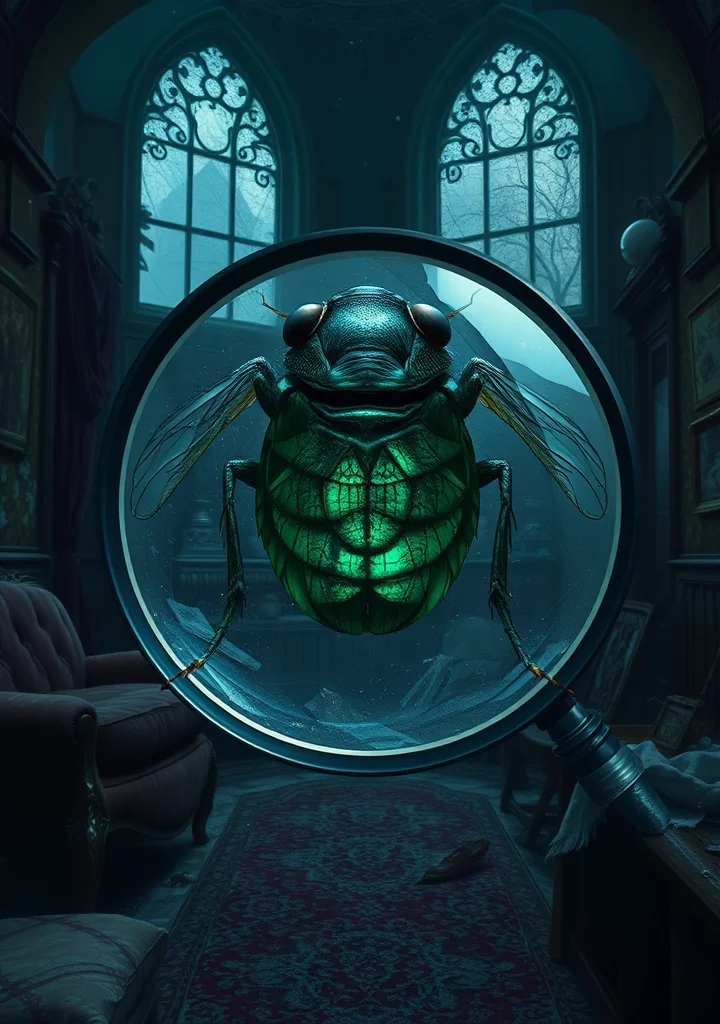
Dust motes dance in perpetual twilight within the crumbling estate of Herr von Schack, a man consumed by a singular, obsessive pursuit: the perfect breeding of fleas. But this is no mere entomological study; it is a descent into madness mirroring the decay of his ancestral home. Each meticulously curated generation of the tiny parasites reflects a fractured shard of his own psyche, a grotesque parody of lineage and ambition. The air hangs thick with the scent of decay—not just of rotting wood and damp stone, but of something far more insidious: a creeping dread born of miniature, chitinous horrors.
Hoffmann weaves a suffocating claustrophobia, not within grand halls but within the suffocating confines of a glass bell jar, a miniature world of creeping legs and glistening carapaces mirroring the stifled desires of the master himself. The narrative unfolds as a slow unraveling, punctuated by feverish monologues detailing the flea’s “pedigree” and its grotesque “achievements.” A palpable sense of violation permeates the prose; the reader is not merely witnessing madness, but *invited* into its swarming, microscopic heart.
Whispers cling to the shadowed corners of the estate, tales of a monstrous legacy woven into the very fabric of the von Schack bloodline, a legacy now manifested in the twitching, iridescent bodies of these miniature masters. The creeping unease isn't simply *about* the fleas, but the horrifying realization that they, and the man who breeds them, are reflections of something ancient and terrible lurking within the foundations of reason itself. The final, suffocating act is not a climax, but an infestation—a chilling descent into the abyss where obsession devours not just its subject, but the very soul of the observer.
Copyright: Public Domain
This license allows anyone to use your story for any purpose, including printing, selling, or adapting it into a film freely.
This license allows anyone to use your story for any purpose, including printing, selling, or adapting it into a film freely.
More like this