
Huntingtower
  • 149
  • 0
  • 20
  • Reads 149
  • 0
  • Part 20
Completed, First published Mar 02, 2026

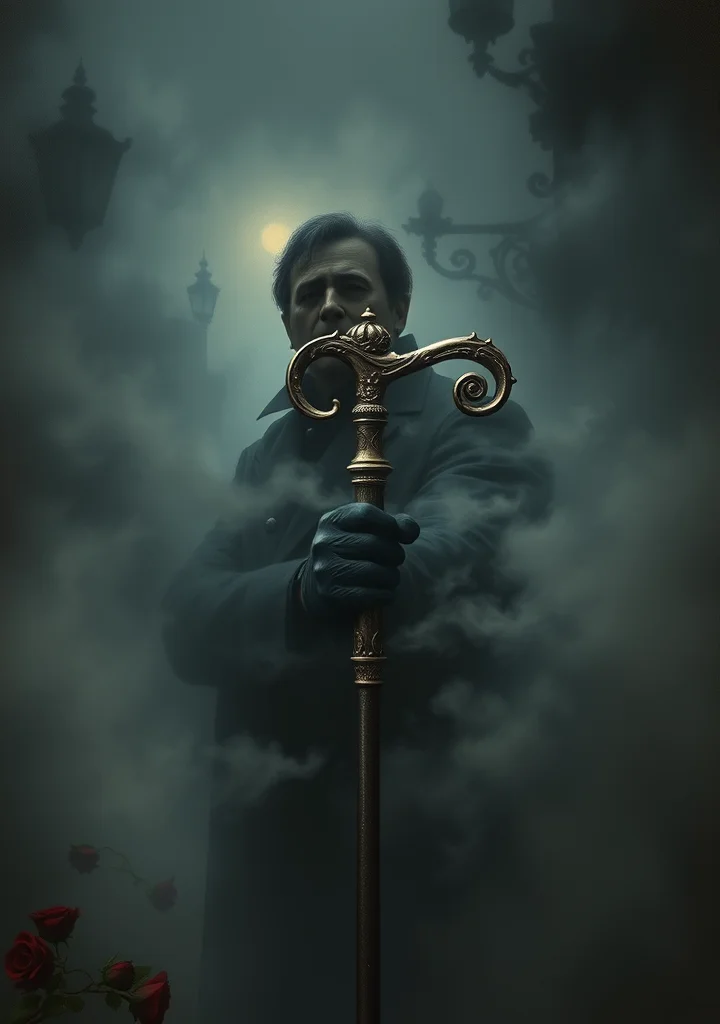
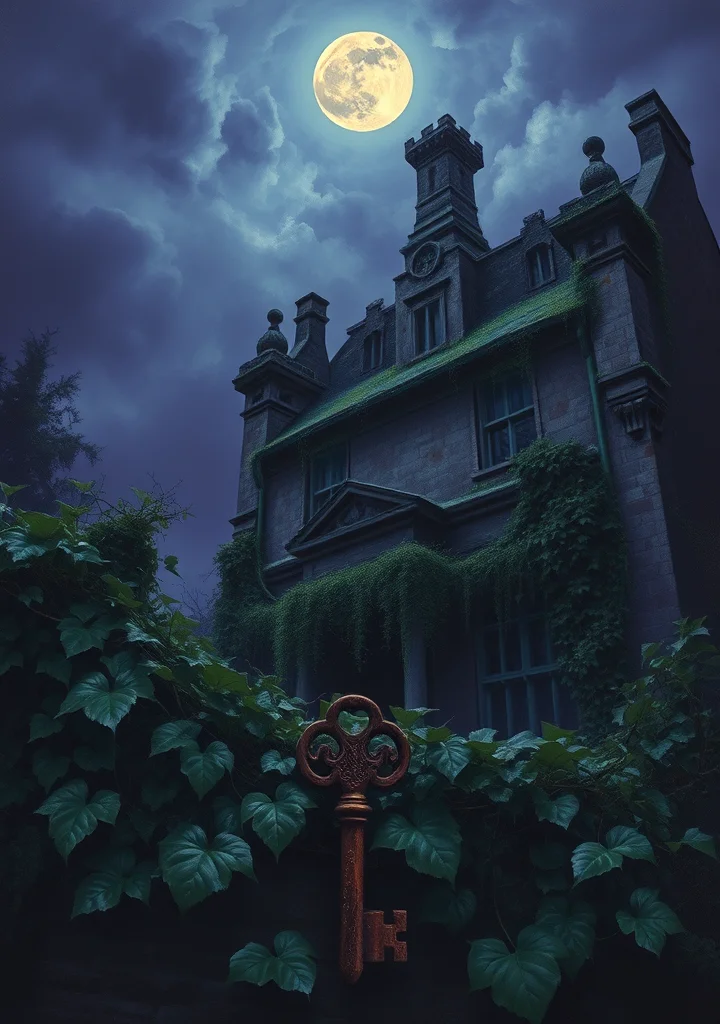
A creeping dread clings to the Scottish countryside like the haar, thick and suffocating. Huntingtower isn’t merely a house, but a wound in the landscape, a stone malignancy breathing with ancient resentments. Within its shadowed halls, a web of suspicion spins tighter with each whispered rumour, each stolen glance. The air is thick with the scent of damp earth and decaying grandeur, mirroring the rot within the Laird’s family. It’s a place where loyalty curdles into betrayal, where the weight of tradition threatens to crush those caught beneath its oppressive roof. The narrative unfolds not as a brisk pursuit, but as a slow unraveling, a descent into a suffocating claustrophobia fueled by half-truths and the suffocating silence of those who guard them. Shadows lengthen, stretching from the stone walls to engulf the characters, blurring the line between hunter and hunted. A chilling unease permeates every room, a sense of being watched by something cold and unforgiving lurking just beyond the periphery. The very stones seem to absorb the anxieties of those trapped within, amplifying them into a palpable despair that clings to the reader long after the final page is turned. It’s a story steeped in the melancholy of a dying aristocracy, where secrets fester like thorns within a decaying rose garden.
Copyright: Public Domain
This license allows anyone to use your story for any purpose, including printing, selling, or adapting it into a film freely.
Recommended for you
23 Part
The salt-laced wind howls through crumbling stone, carrying whispers of smugglers and ancient dread. Moonfleet is a place where the sea breathes secrets into the very timbers of the village, a place where shadows cling to cobbled streets and the scent of brine mingles with the dust of forgotten generations. A boy, orphaned and adrift, finds himself drawn into a web of clandestine loyalties, bound to a decaying manor haunted by the legacy of Blackwood’s men—pirates who buried their plunder alongside their ghosts. The narrative unfolds like a tide pulling at submerged wreckage. Moonlight spills across hidden coves where sleek vessels slip through the darkness, their holds swollen with illicit gains. A palpable sense of isolation presses down, isolating the characters in a world where the boundary between the living and the dead is porous. The air hangs heavy with superstition, fueled by local lore of ghostly apparitions and the curse of a silver collar. Each chapter is draped in a melancholic mist, echoing with the rhythmic crash of waves against the shore and the mournful cry of gulls. A slow rot permeates the story, not merely of decaying structures but of decaying morality, as the boy’s innocence is chipped away by the brutal realities of the smuggling trade. The narrative is steeped in the claustrophobia of a closed community, where every face holds a hidden motive and every smile conceals a treacherous bargain. Moonfleet is a place where the past refuses to stay buried, and the sea itself demands its due.

12 Part
Dust motes dance in the perpetual twilight of the Leblanc estate, a crumbling manor where shadows cling to velvet draperies like mourners. Within its suffocating embrace, a lineage steeped in melancholic ritual unravels with each chime of the ancestral clock—a morbid heartbeat marking eight generations consumed by a singular, insidious obsession. The narrative bleeds into the very stone of the house, a slow corruption mirroring the decline of the family’s sanity. Each stroke of the clock doesn't measure time, but the fracturing of a soul, the unraveling of a legacy built on stolen breaths and whispered bargains with the encroaching darkness. A suffocating atmosphere of decay permeates every page, thick with the scent of wormwood and regret. The story unfolds through fragmented letters, fevered diary entries, and the increasingly erratic pronouncements of a caretaker haunted by echoes of the past. The estate itself becomes a character—a labyrinth of forgotten chambers and corridors where the air hangs heavy with unspoken horrors. The reader is drawn not towards resolution, but towards a descent into the heart of a madness that breeds in isolation, where the only true company is the relentless ticking of the clock and the chilling realization that the estate doesn't merely *contain* its ghosts—it *creates* them. The prose is a tapestry of dread, woven with the delicate threads of a family slowly dissolving into the very fabric of the house, swallowed by the echoes of eight strokes that herald not the hour, but oblivion.
32 Part
A perpetual twilight clings to the shadowed corners of New Moon, a desolate, windswept inheritance haunted by whispers of misfortune. The orphaned Emily Byrd, a creature of wild imagination and fiery spirit, arrives to claim her legacy—a decaying ancestral home steeped in the lore of a cursed lineage. But the house breathes with a sorrow that seeps into Emily's very soul, mirroring the spectral grief of her mother, a phantom presence woven into the very fabric of the moors. The narrative unfolds as a slow, melancholic descent into a world where dreams and realities blur, where the scent of heather and brine mingles with the bitterness of forgotten promises. Each chamber of New Moon holds a fragment of the past—a tarnished mirror reflecting a forgotten face, a faded portrait hinting at a tragic fate, a diary bound in leather stained with tears. Emily’s burgeoning poetic gifts become a conduit to the unseen, drawing her closer to the secrets buried within the family’s history. She is watched over by the silent, watchful eyes of the old servants, their faces etched with the weight of generations past. But the beauty of the landscape is deceptive, for the moor itself seems to possess a hungry darkness, a longing to reclaim what was lost. As Emily’s heart blossoms with both love and loss, she finds herself entangled in a web of family secrets, shadowed by the looming possibility that she too is destined to be consumed by the curse of New Moon. The novel is a slow burn, a haunting exploration of loneliness, resilience, and the enduring power of memory—a place where the boundary between life and death feels fragile as a moonbeam on a stormy sea.