
The Invisible Man
  • 178
  • 0
  • 30
  • Reads 178
  • 0
  • Part 30
Completed, First published Mar 02, 2026

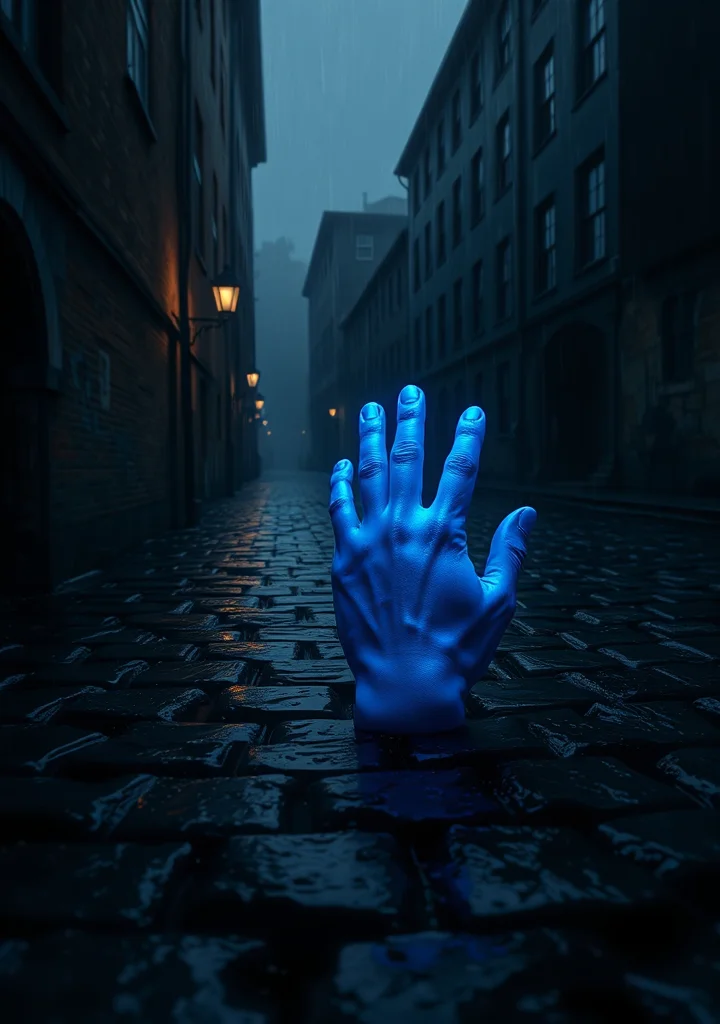
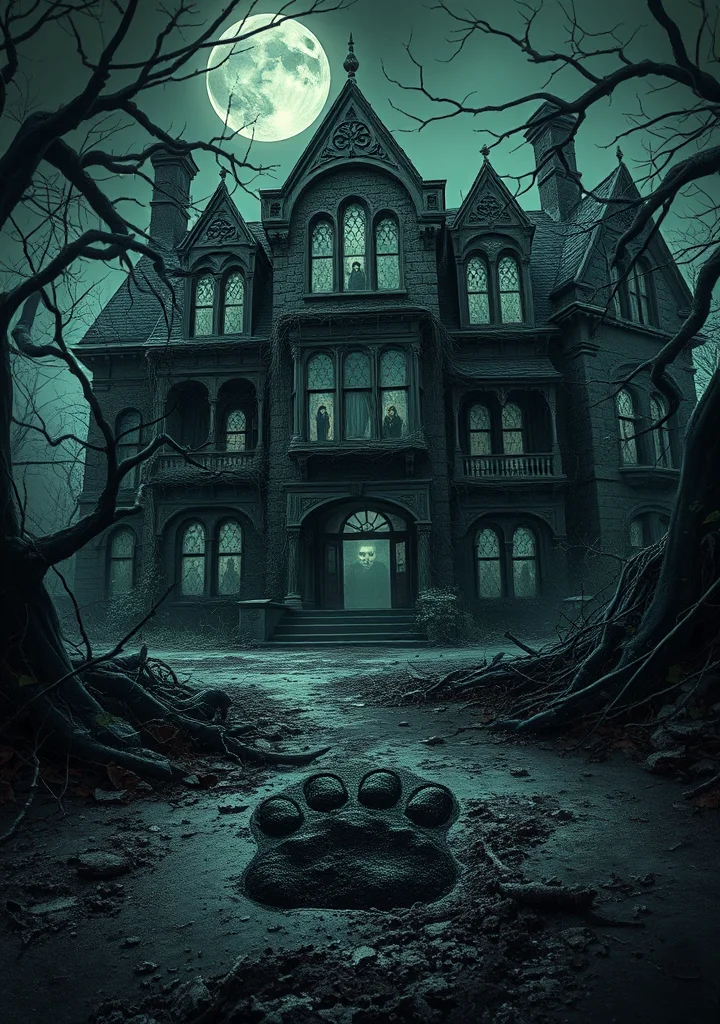
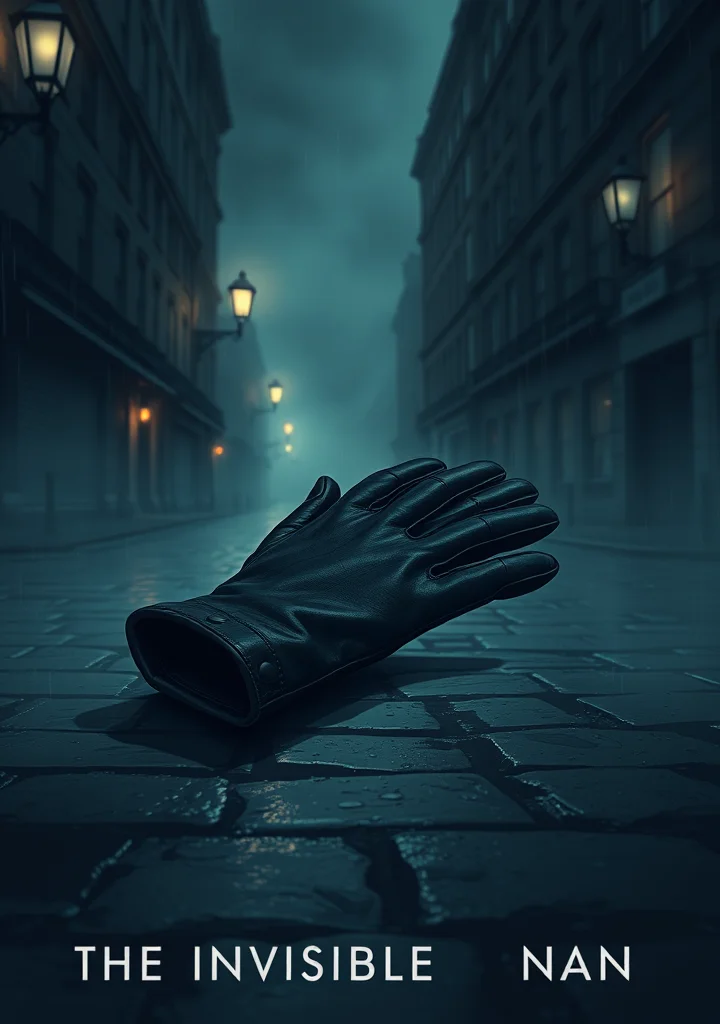
A creeping dread settles over the fog-choked streets of London, a chill deeper than winter’s bite. Not from specters or ghouls, but from something far more insidious – a man unseen, unraveling the very fabric of reality with his absence. The narrative coils tight as a noose around the throat of normalcy, beginning with whispers of strange thefts, disrupted lodging houses, and a growing, inexplicable panic. Wells paints not a monster of claws and fangs, but a suffocating terror born of vanished form, of bandages swathing emptiness, of scientific hubris fracturing the boundaries of human perception. The air itself feels thick with paranoia as the story descends into a desperate scramble for containment, a hunt for a phantom who leaves only footprints in the snow and terror in the eyes of those who glimpse his unraveling. Each chapter bleeds into a mounting hysteria, mirroring the Invisible Man’s escalating desperation, his descent into brutal, desperate acts fueled by both scientific ambition and the crushing weight of his own invisibility. The story isn’t about *what* he does, but *how* his unseen presence poisons the very foundations of trust and order. A creeping sense of isolation permeates every shadowed corner, every locked room. The world shrinks to the perspective of those who can only guess at the shape of their fear, until even the most solid objects seem to warp and betray. The narrative becomes a labyrinth of shattered glass, broken windows, and the suffocating weight of a secret too terrible to bear, a descent into a nightmare where the only certainty is the absence of something… and the growing certainty that it’s watching *you*.
Copyright: Public Domain
This license allows anyone to use your story for any purpose, including printing, selling, or adapting it into a film freely.
Recommended for you
33 Part
Dust motes dance in the cavernous halls of the Charterhouse, mirroring the fractured ambitions of the Lombard nobility within. Parma, a city choked by political machinations and simmering resentments, breathes a stifling air of decay. This is a story steeped in the scent of old stone and the rustle of silk concealing daggers. A young nobleman, torn between the fervor of revolutionary ideals and the suffocating grip of aristocratic expectation, finds himself adrift in a labyrinth of inherited debts, simmering passions, and the ghosts of a forgotten war. The narrative unfolds not as a burst of action, but as a slow erosion – a creeping dampness that seeps into the foundations of fortune and love. Each betrayal is a chipped tile in a mosaic of regret, each alliance forged in the shadows casts a lengthening pall over the characters’ fates. A feverish, almost claustrophobic obsession with gambling and ambition drives men to gamble away their lives, their legacies, their very souls. The air hangs heavy with the weight of unfulfilled desires, the stifled cries of a generation caught between the ancien régime and the storm of modernity. It is a world where the grandest gestures of heroism are undercut by the petty squabbles of ego, where the most ardent love is poisoned by the insidious tendrils of social constraint. The Charterhouse itself becomes a character – a decaying monument to ambition, a tomb for wasted potential, a haunting echo of a world on the brink of collapse. The reader is not merely told a story, but drawn into the suffocating, perfumed darkness of a city and a man consumed by his own self-destruction.
25 Part
A creeping dread clings to the snow-swept moors, mirroring the chill that settles in the heart of the protagonist. Buchan’s *Midwinter* unfolds within a decaying manor house, isolated by blizzards and shadowed by ancient, malevolent histories. The narrative breathes with the icy air, each chapter a descent into fractured memory and suppressed guilt. Dust motes dance in the fractured light of dying embers, illuminating portraits of stern, unforgiving faces—ancestors who seem to watch, judge, and subtly influence the present. The estate itself is almost a character, its stone bones groaning under the weight of winter’s fury and the weight of secrets. Rooms whisper with echoes of past tragedies, the scent of damp earth and forgotten perfume clinging to velvet drapes. A pervasive sense of claustrophobia, not just physical but psychological, permeates the narrative. The protagonist is haunted by fragments of a stolen inheritance, a fractured legacy, and the specter of a betrayal that unravels with each falling snowflake. The novel doesn’t deliver grand horrors, but a suffocating atmosphere of unease—a slow, deliberate unraveling of sanity amidst a landscape that mirrors the fractured state of the soul. It’s a story steeped in the melancholic beauty of decay, where the true darkness resides not in the supernatural, but in the cold, brittle spaces within the human heart. The silence of the winter landscape is broken only by the howl of the wind, and the whispers of a past determined to claim its due.
42 Part
A creeping dread clings to the Irish coast, thick as the bog mire that swallows men whole. Stephens weaves a tale not of heaven or hell, but of the liminal spaces between, where the remnants of ancient, pagan deities bleed into the fractured lives of mortals. The narrative unfolds within a suffocating village steeped in superstition, where whispers of forgotten gods stir in the peat smoke and the sea’s cold breath carries the scent of something older than time. Each character is a fractured vessel—a priest haunted by visions, a woman possessed by a spectral sorrow, a boy touched by the cold hand of the otherworld. Their desires, their failures, their very breaths seem drawn from the decaying grandeur of a lost age. The world isn’t simply haunted; it *is* haunting—a slow rot of the soul mirroring the crumbling stone circles and the drowned chapels swallowed by the relentless tide. The prose itself feels like unearthed bone, brittle and cold, layered with the scent of brine and decay. Stephens doesn’t offer salvation, only a glimpse into the echoing emptiness where the gods once walked, leaving behind only echoes of their power and the lingering stain of their absence. It’s a world where the boundaries between reality and nightmare blur, where every shadow holds a watchful eye, and the very earth seems to breathe with a mournful, forgotten hunger. The air tastes of salt and regret, and the story unfolds like a slow, inexorable drowning in the grey light of a dying world.