
-
Read 591
-
0
-
Part 29
Completed, First published Mar 02, 2026
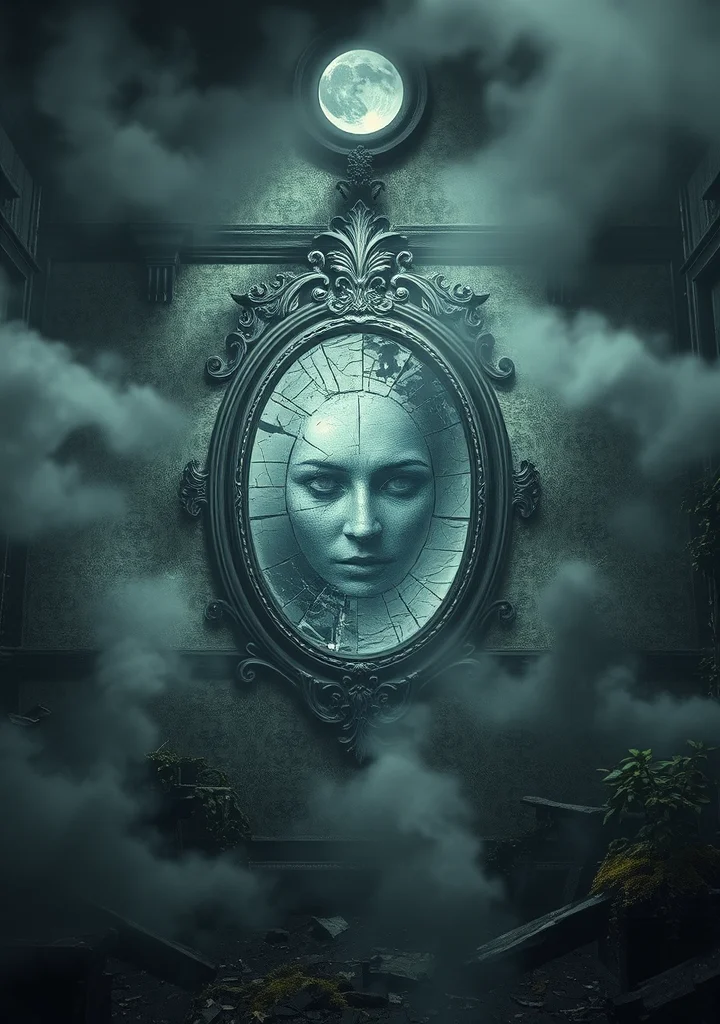
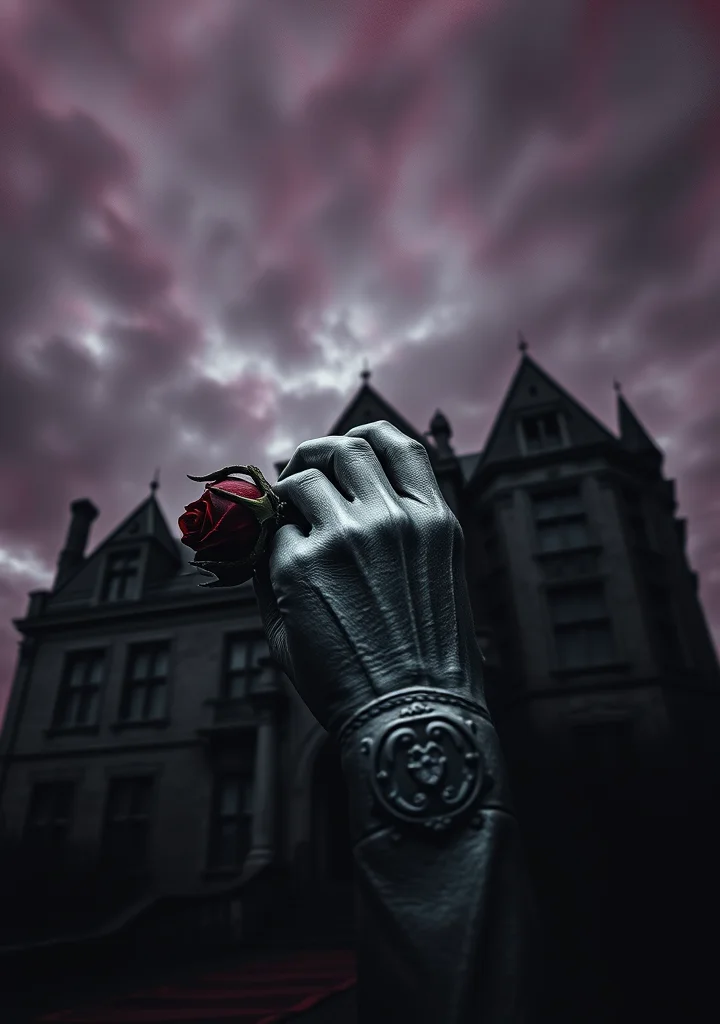
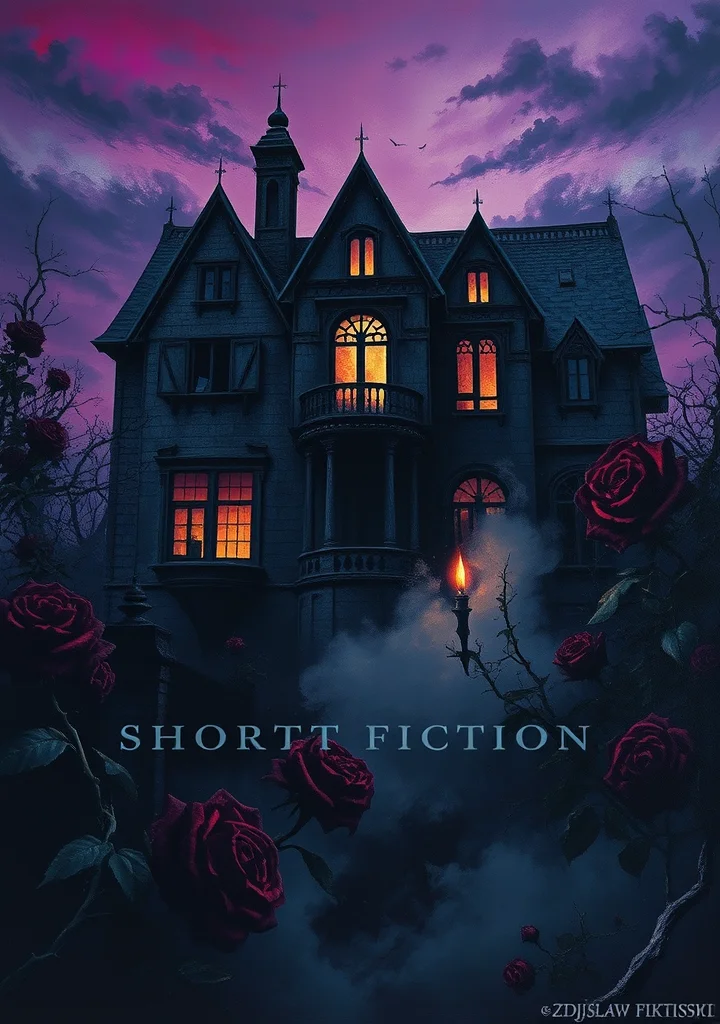
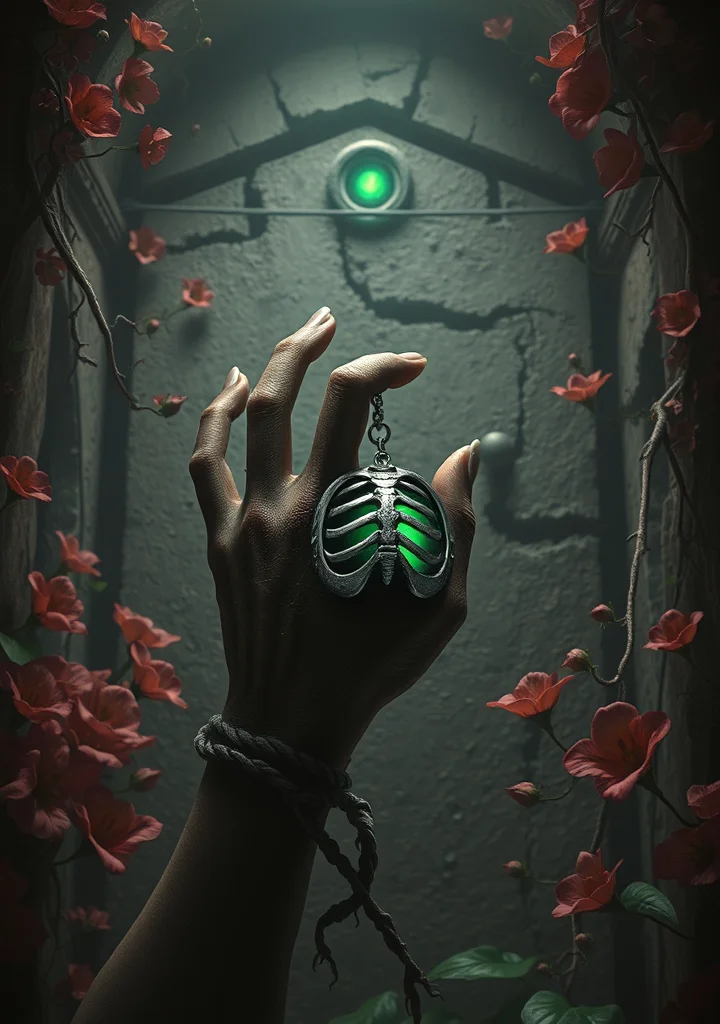
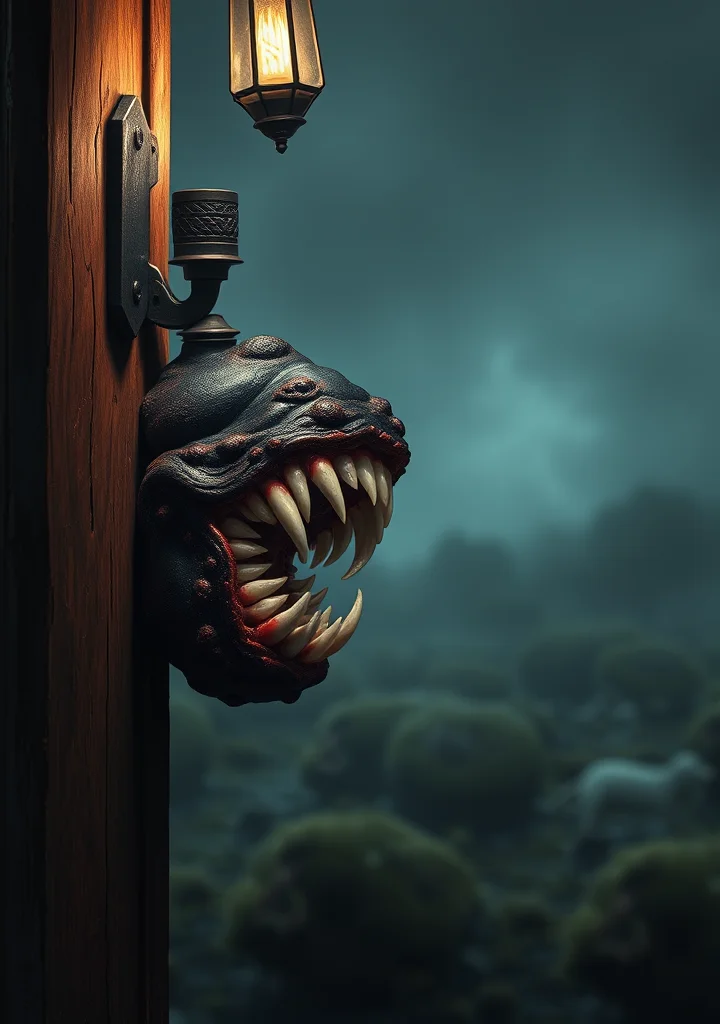
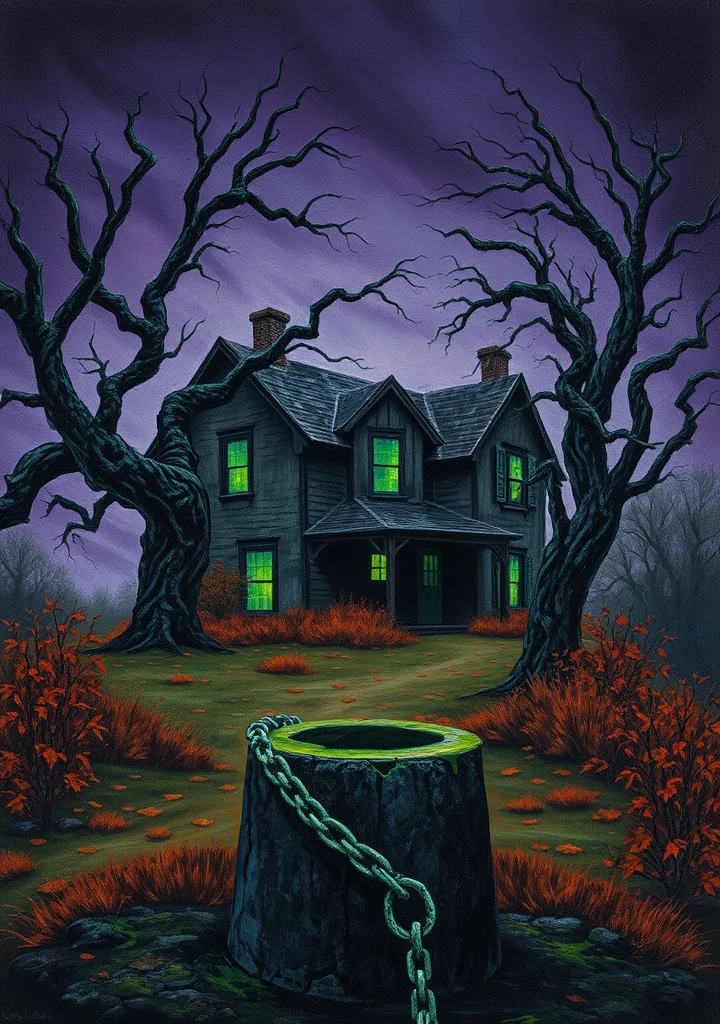
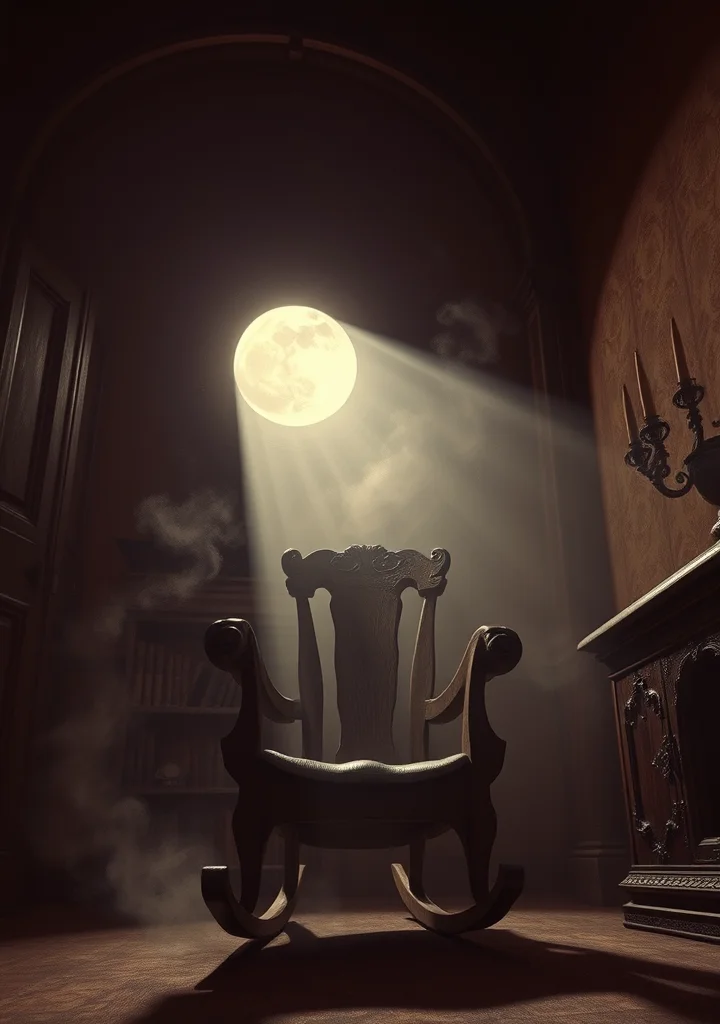
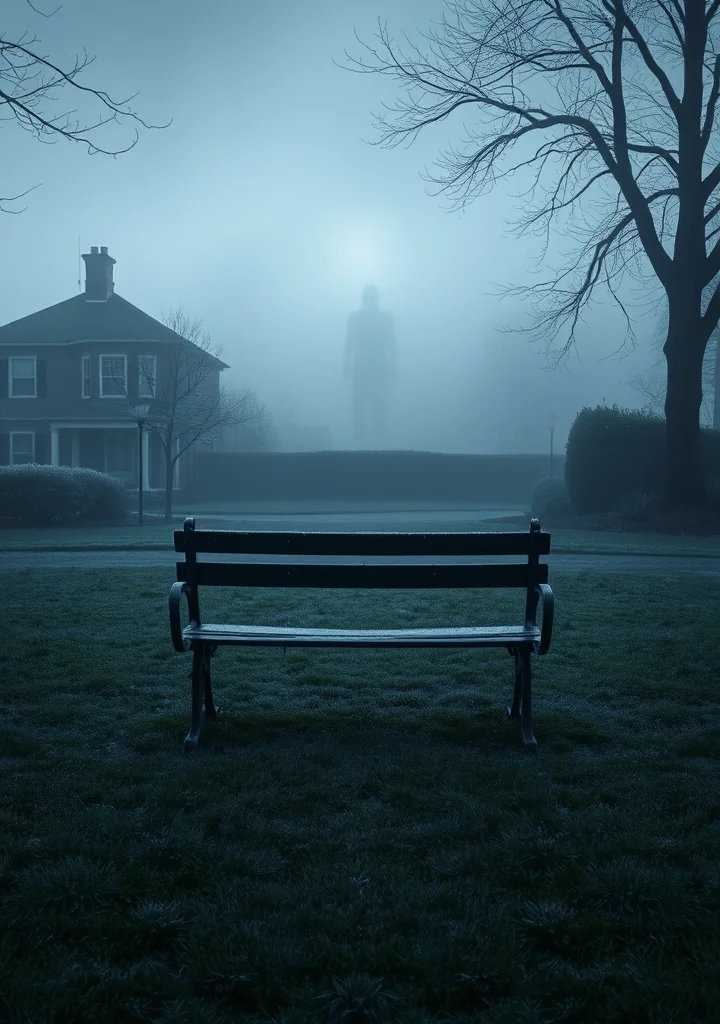
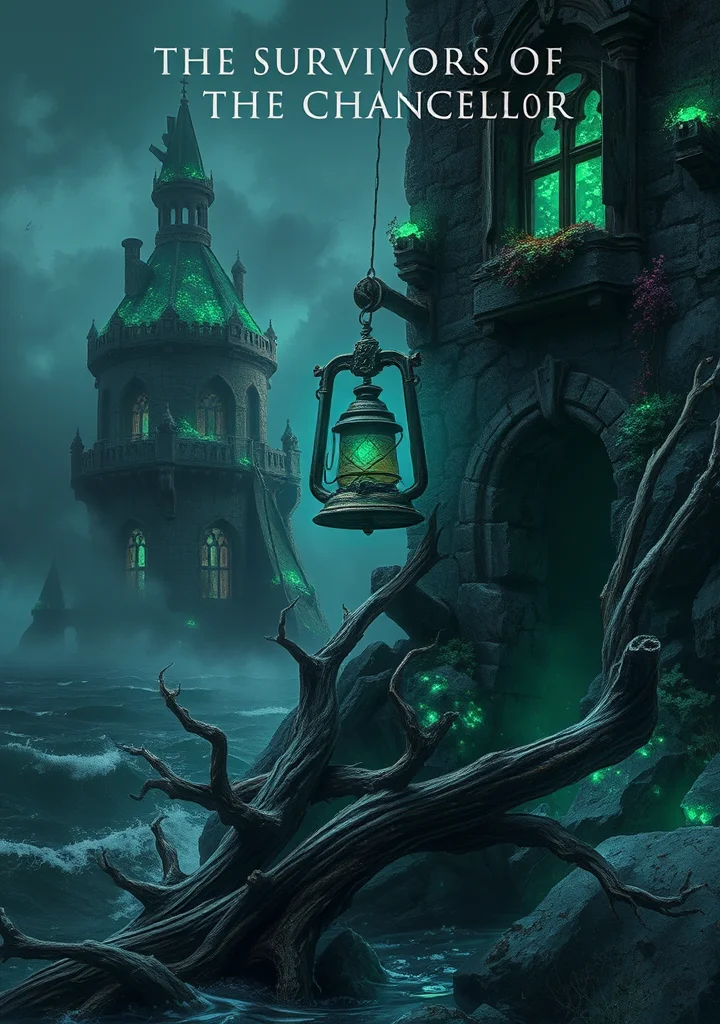
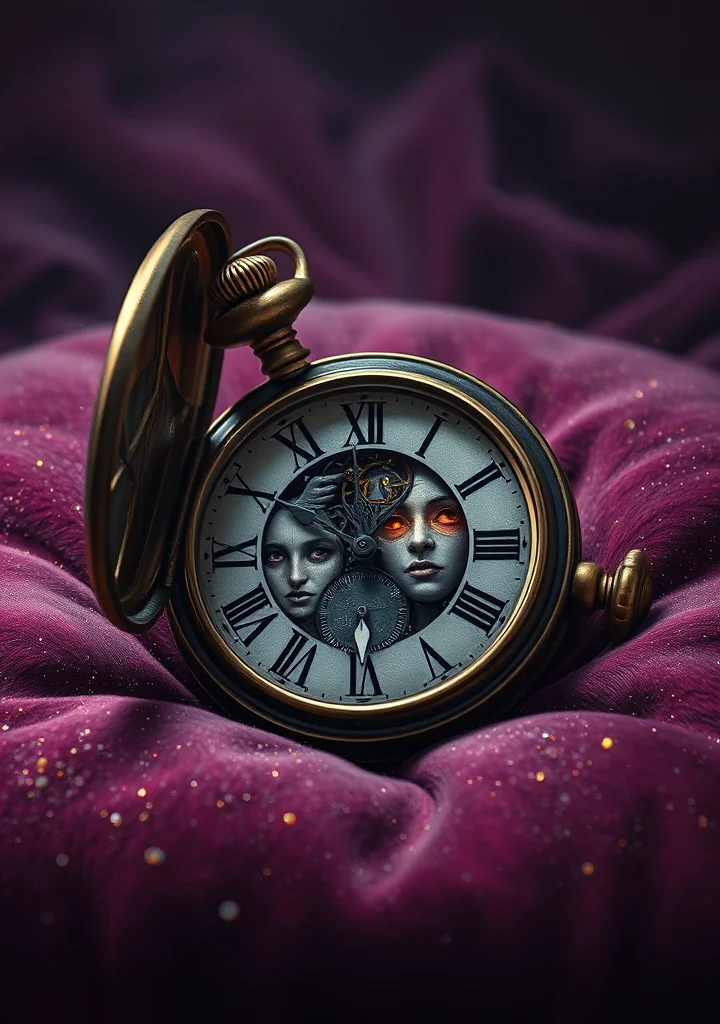
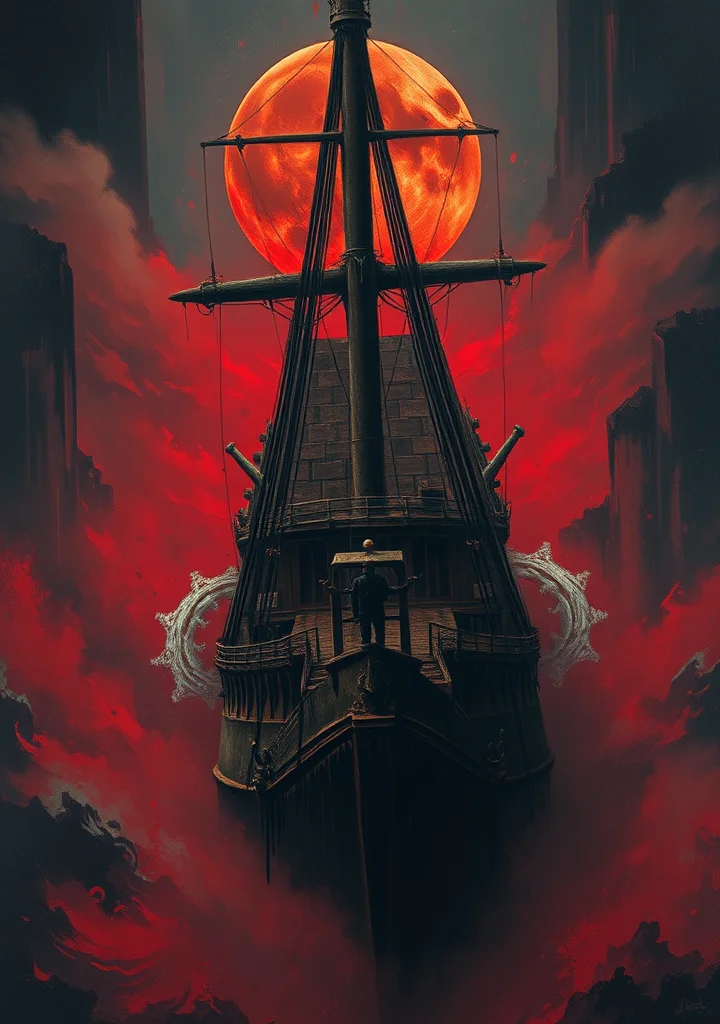
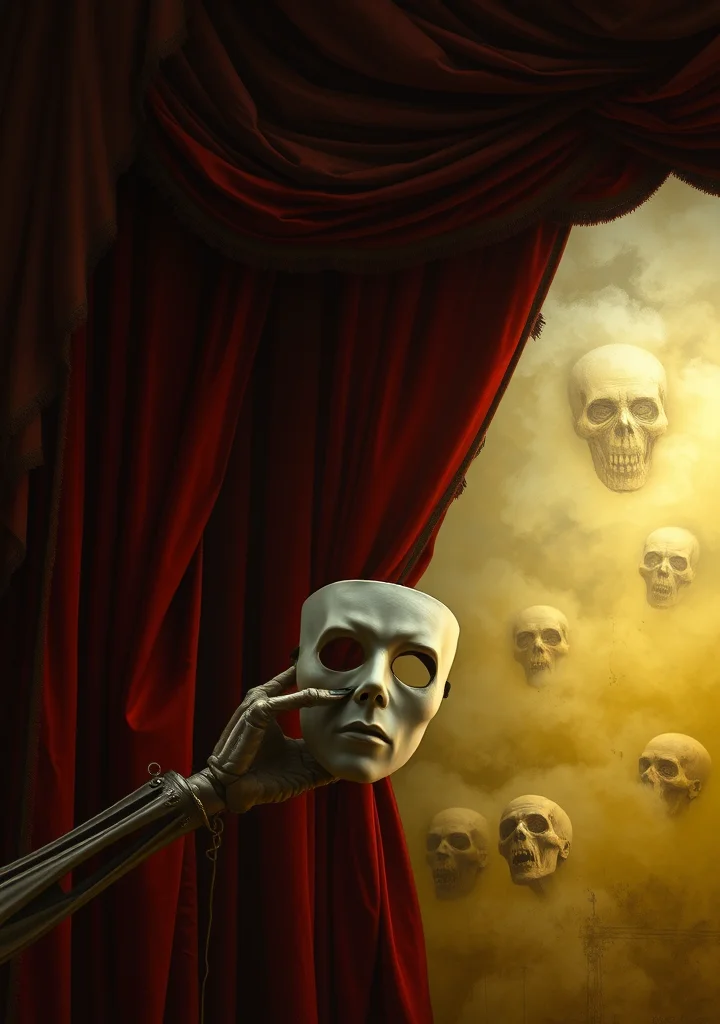
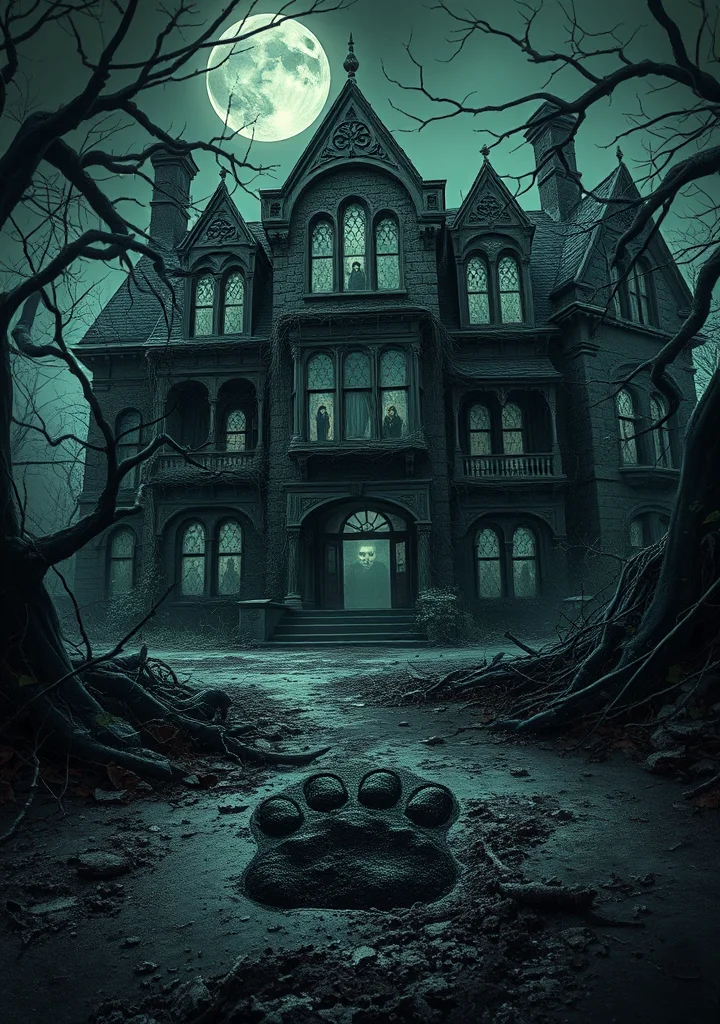
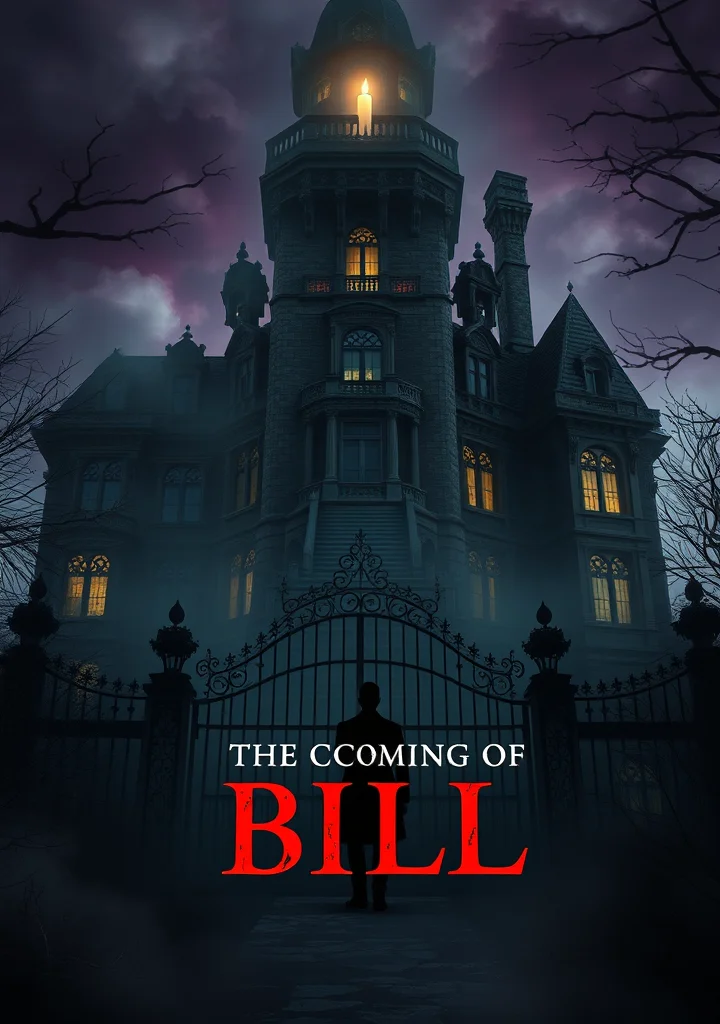
A creeping dread settles over the manor as Bill approaches. Not a storm of gales and rain, but a slow suffocation of unease that clings to the damp stone walls and whispers through the overgrown gardens. The villagers speak in hushed tones, recalling tales of a shadow in the harvest moon, a silence that devours sound. His coming isn’t marked by a clash of steel or roaring fire, but by the unraveling of sanity within the grand, decaying house. Each invitation to tea, each polite inquiry, feels less like civility and more like the tightening of a noose. The estate’s portraits seem to follow Bill with their shadowed eyes, and the scent of decaying roses mixes with a metallic tang that hints at something ancient and hungry stirring beneath the floorboards. It's not a plot of malice, but a corruption of good manners, a rot blooming in the heart of polite society. The true horror isn't *what* Bill brings, but how easily the house, and those within it, welcome his insidious descent into darkness. The very air grows thick with the scent of regret and the brittle promise of things lost, forever swallowed by the coming of Bill.
Copyright: Public Domain
This license allows anyone to use your story for any purpose, including printing, selling, or adapting it into a film freely.
This license allows anyone to use your story for any purpose, including printing, selling, or adapting it into a film freely.
More like this