
-
Read 310
-
0
-
Part 7
Completed, First published Mar 02, 2026
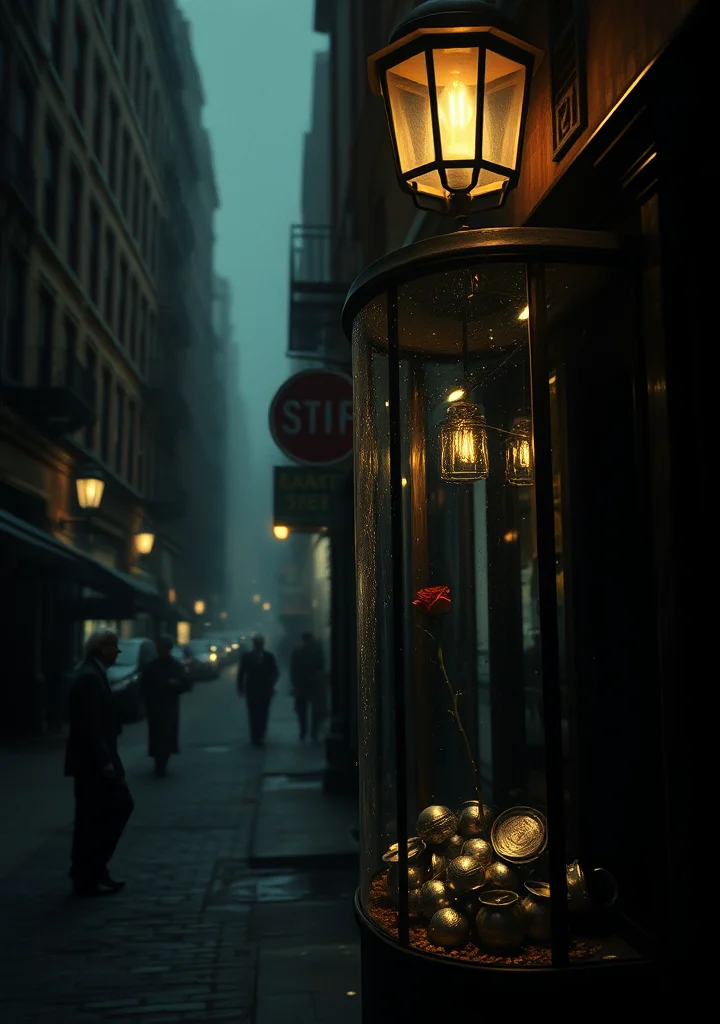
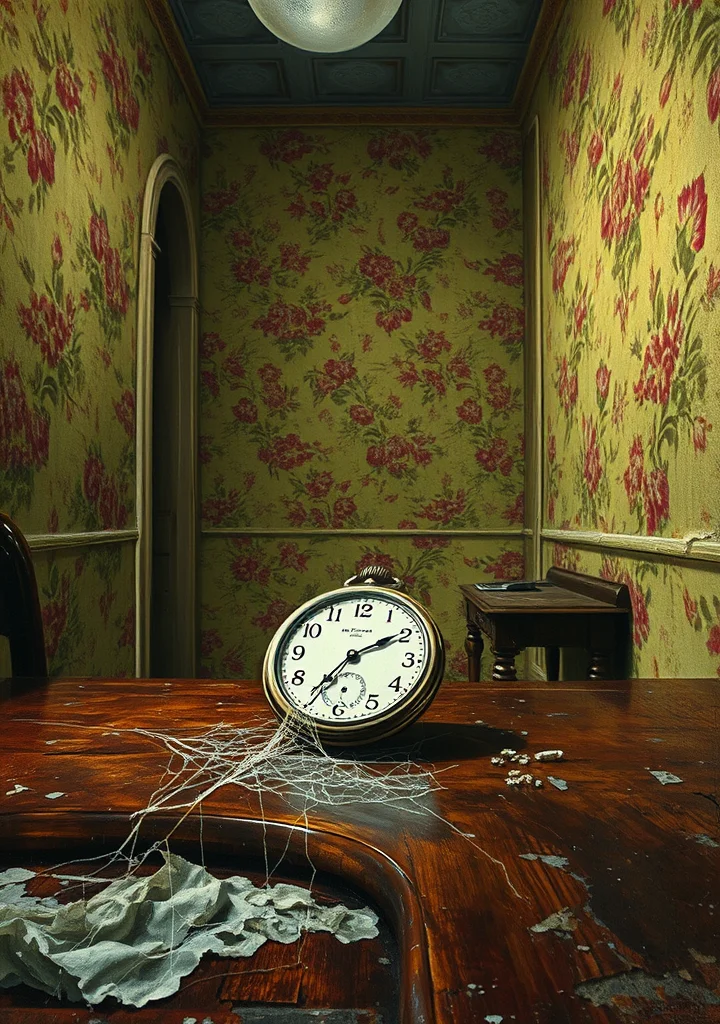
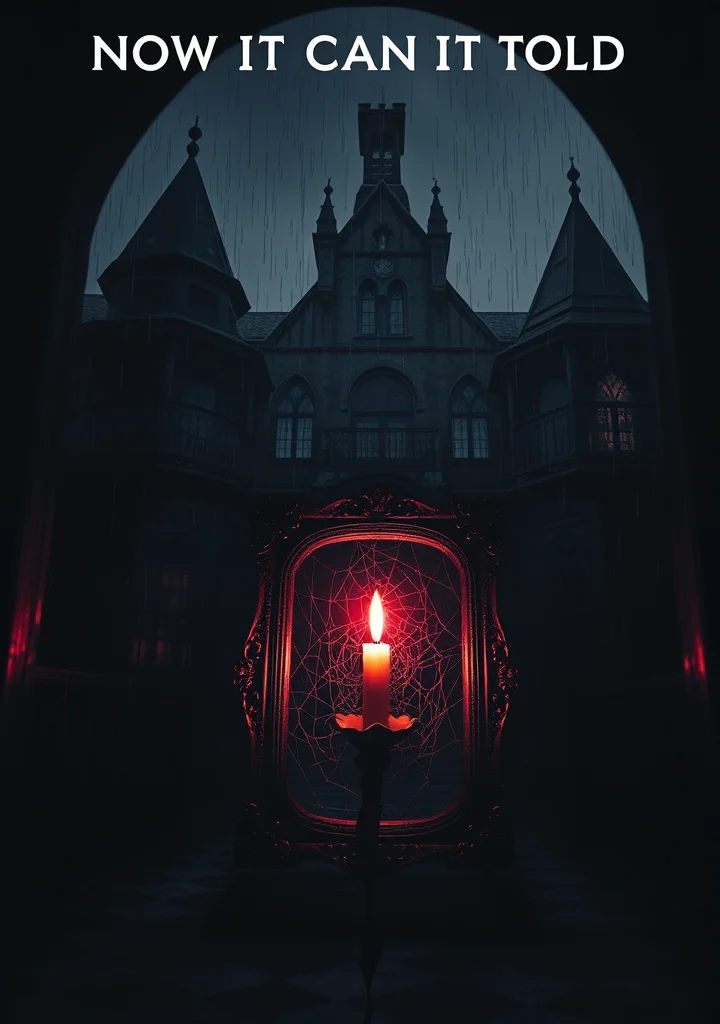
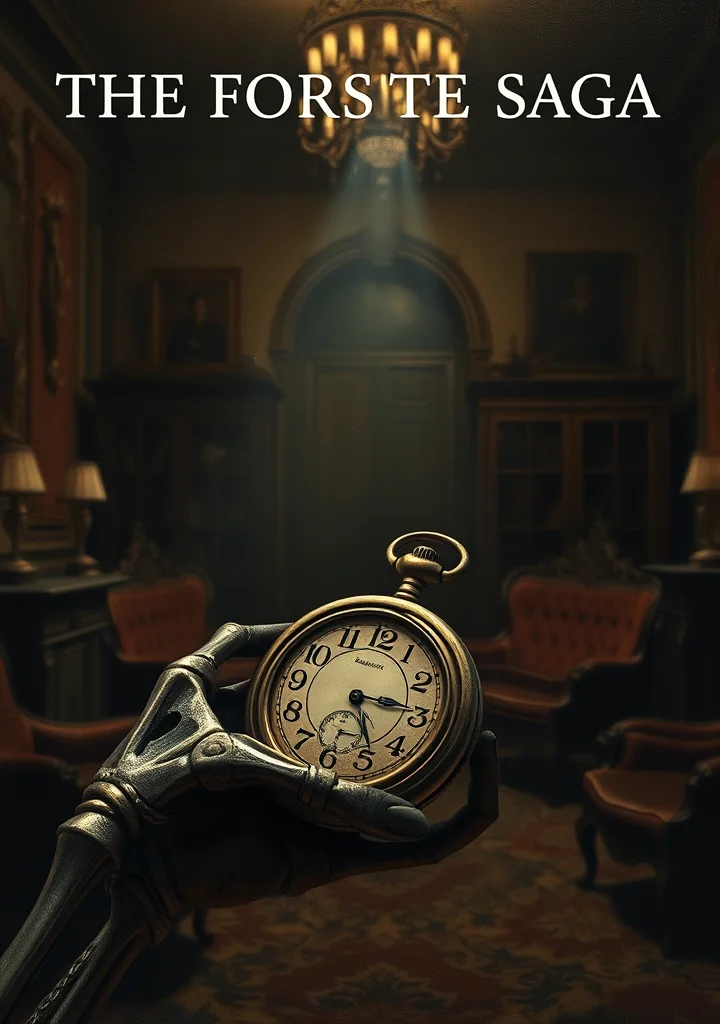
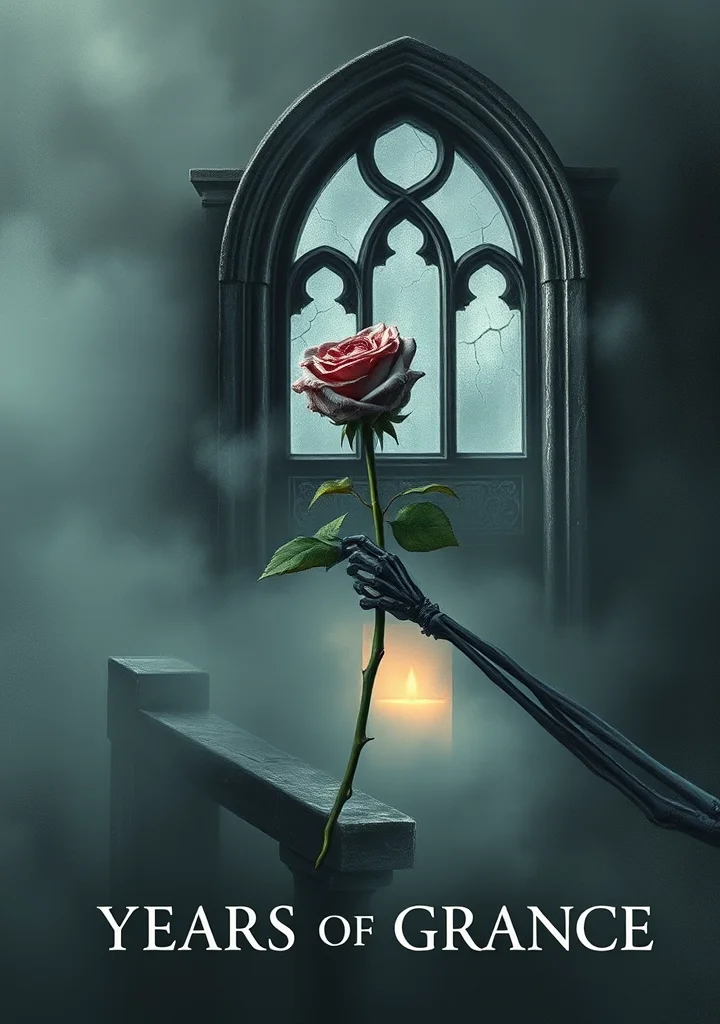
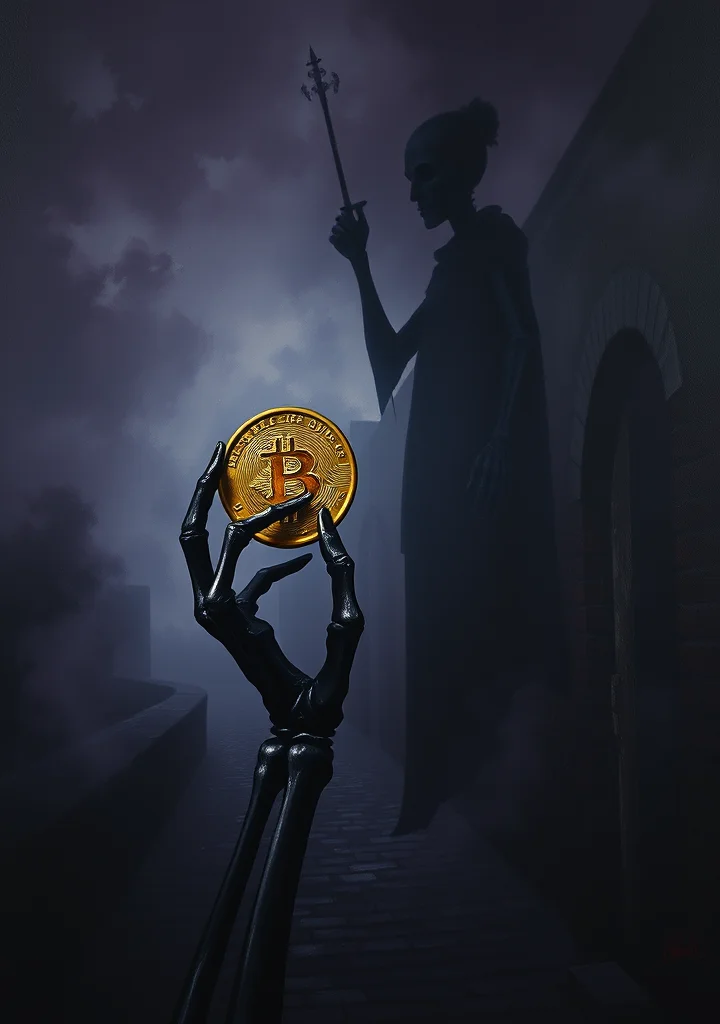
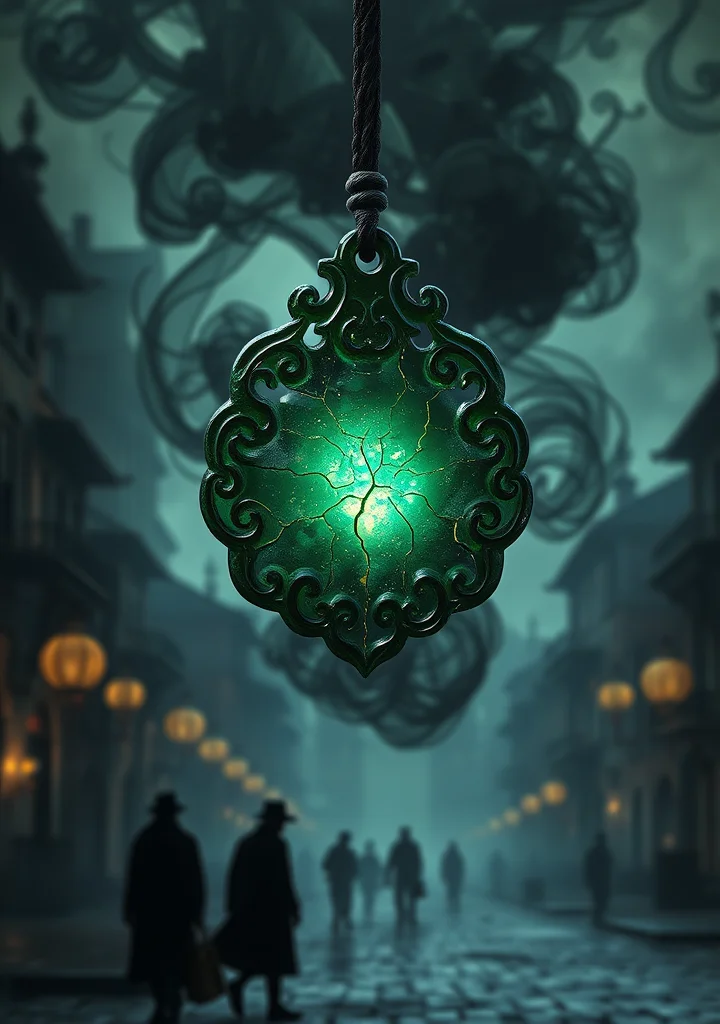
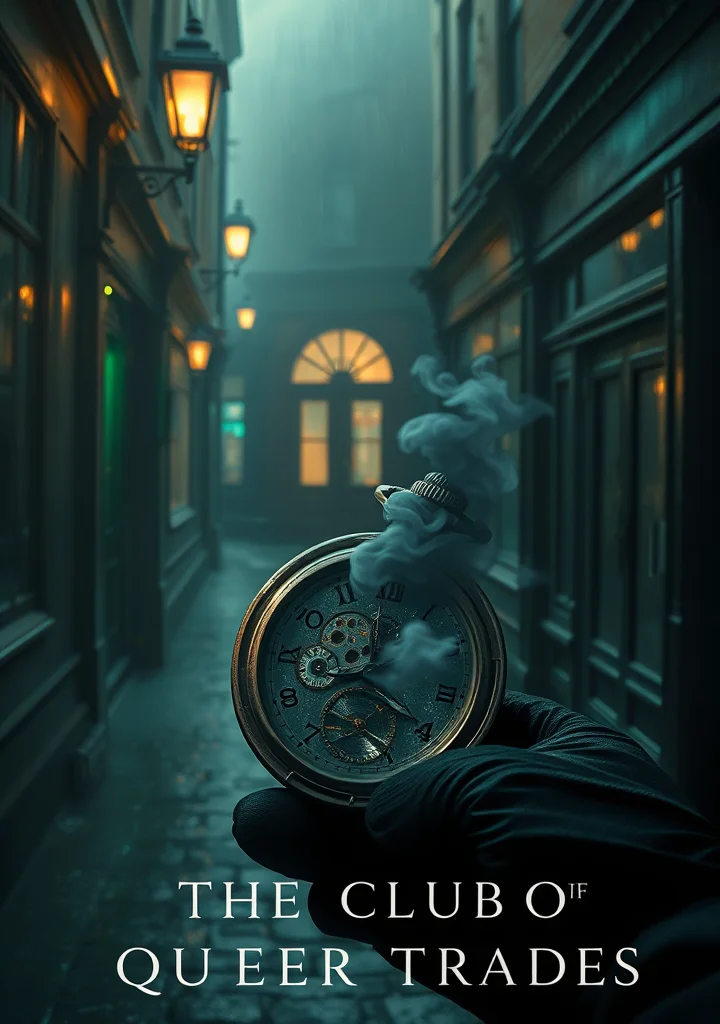
A fog-choked London, thick with shadows and the scent of coal smoke, yields a labyrinthine underworld where men deal in the currency of oddities. Not thieves, not murderers in the conventional sense, but collectors of the bizarre – the man who steals smiles, the one who bargains for regrets, the dealer in lost memories. The narrative clings to the damp brick of secret alleys, echoing with the hushed transactions of men who’ve made a profession of exploiting human weakness. Each encounter unravels a layer of moral decay, a subtle rot beneath the polished veneer of Victorian society. A creeping dread permeates the city as the protagonist, a detective of sorts, finds himself drawn into a perverse game where the stakes are not jewels or gold, but fragments of the soul. The atmosphere is one of claustrophobic curiosity, a macabre carnival of the peculiar. The very air seems to vibrate with the weight of untold transactions, each exchange leaving a lingering chill, a sense that something precious, something irrevocably *human*, has been bartered away in the darkness. It’s a London where the grotesque is commonplace, and the truly terrifying is found in the mundane.
Copyright: Public Domain
This license allows anyone to use your story for any purpose, including printing, selling, or adapting it into a film freely.
This license allows anyone to use your story for any purpose, including printing, selling, or adapting it into a film freely.
More like this