
History of the Peloponnesian War
  • 236
  • 0
  • 38
  • Reads 236
  • 0
  • Part 38
Completed, First published Mar 02, 2026

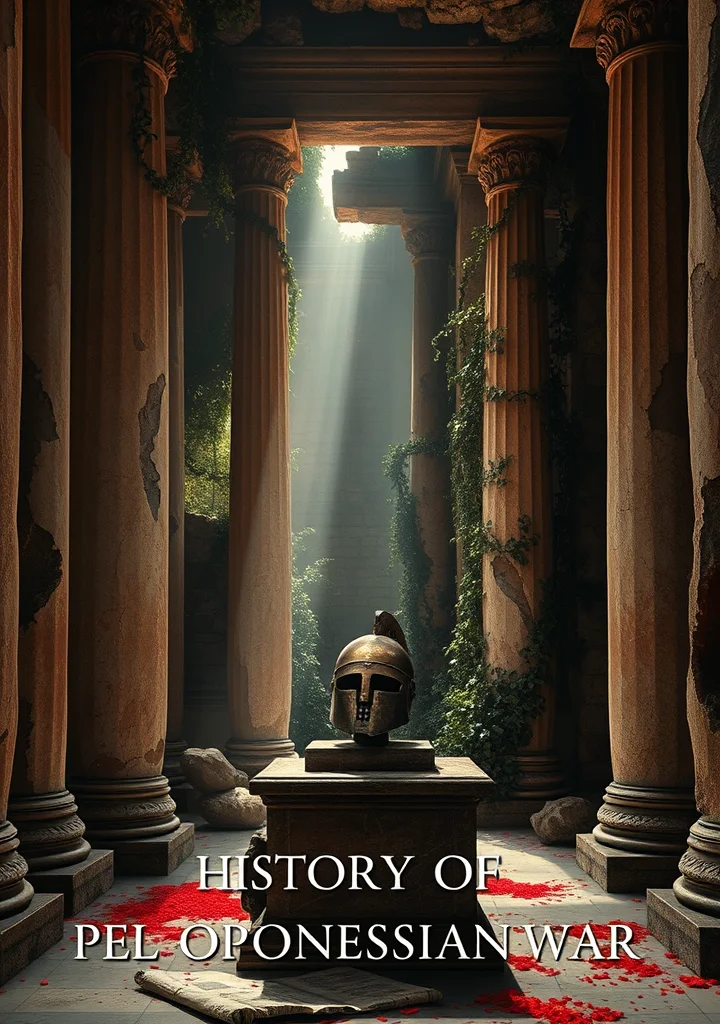
Dust motes dance in the fractured light of a forgotten scriptorium, illuminating parchment stained the color of dried blood and old grief. This is not a chronicle of kings, but a dissection of rot—a slow, inexorable peeling back of civilization to reveal the bone-white terror beneath. Each sentence is a chipped fragment of marble, echoing with the screams of cities consumed by plague and ambition. The narrative breathes with the chill of naval blockades, the salt-laced wind carrying whispers of betrayal and the scent of pyres burning under a moonless sky. It is a history written in the shadow of loss, where logic itself is a crumbling edifice, and the weight of empire presses down like a suffocating shroud. The victories are hollow, the defeats absolute, and even the most meticulous accounts feel like fever-dreams sketched in charcoal, leaving only the lingering ash of what was, and the premonition of what will be—a darkness that clings to the reader long after the last page is turned. The very structure of the work feels less like a recounting and more like an excavation, unearthing the brittle skeletons of men who believed they understood the currents of power, only to be swept away by the undertow of their own making. It is a monument to the fragility of order, built on a foundation of grief and the hollow echo of broken spears.
Copyright: Public Domain
This license allows anyone to use your story for any purpose, including printing, selling, or adapting it into a film freely.
Recommended for you
33 Part
Beneath a veil of perpetual twilight, where ancient forests breathe secrets into the stone of crumbling castles, lies a kingdom shadowed by forgotten paths and the chittering hunger of goblin kind. This is not a tale of valiant knights and gleaming steel, but one of hearth-lit wonder and creeping dread. A princess, luminous and innocent, wanders these shadowed realms guided by a nurse’s lore of hidden doors and the watchful gaze of unseen protectors. Yet, the earth itself remembers the goblins' claim, their greed a festering wound in the mountain’s heart. The air hangs thick with the scent of damp earth and decaying leaves, echoing with the rhythmic thump of goblin hammers and the whispers of a world just beyond the threshold of waking dreams. Every shadow stretches a little longer, every stone seems to watch with cold, ancient eyes. A descent into a labyrinth of winding tunnels, where the very rock weeps with the memory of forgotten miners and the glint of goblin treasure masks a deeper, more insidious hunger. This is a story woven with the threads of childhood wonder, but laced with the chilling awareness of something ancient and malevolent stirring beneath the soil. It is a world where kindness and courage become the brightest lanterns against a darkness that claws at the edges of reality, where the smallest act of faith can illuminate the path to salvation, or lead the unwary soul into the cold, unyielding embrace of the goblin’s lair. A creeping unease settles upon the reader as they journey alongside the princess, drawn into a realm where the boundary between dream and nightmare dissolves with every echoing step.
27 Part
A creeping rot clings to the cobblestones of this unnamed city, where shadows stretch from gas lamps to strangle the last embers of hope. Jean Grave doesn't offer grand narratives of rebellion, but rather a descent into the marrow of decay, a slow unraveling witnessed through the eyes of those already half-consumed by the void. The air itself is thick with the stench of burnt ambition and the whispered anxieties of a populace fractured not by class, but by a creeping nihilism. Every alleyway breathes with the weight of forgotten gods and the hollow laughter of those who’ve traded their souls for fleeting moments of control. There’s no explosive uprising here, only the insidious bloom of apathy, a willing surrender to the encroaching darkness. Characters drift through decaying salons and labyrinthine sewers, their faces gaunt, their desires reduced to a desperate scramble for warmth and oblivion. The prose is less a story and more a haunting echo of fractured consciousness. It's a suffocating claustrophobia of crumbling brick, the metallic tang of blood on the tongue, and the chilling realization that the true anarchy isn't *against* society, but *within* it—a silent, internal crumbling of the will to resist the inevitable. This is not a revolution; it’s a slow, deliberate drowning in the silt of despair, where the last flickering embers of humanity are extinguished one by one, swallowed by the yawning maw of nothingness. The city *is* the monster, and it feeds on the ghosts of its own making.
129 Part
Dust motes dance in the fractured light of a crumbling tower, mirroring the fragments of a life shattered by exile and betrayal. Within these stone walls, a man—once a pillar of power, now stripped bare—grapples not with chains or bars, but with a grief that threatens to swallow him whole. He is haunted by the swift, cruel fall from grace, the whispers of accusations echoing in the hollows of his despair. But solace, or a twisted mockery of it, comes in the form of a spectral presence—Philosophy herself, a woman woven from starlight and sorrow, her voice a chilling balm against the wounds of the world. She leads him through labyrinthine corridors of thought, where reason battles with the phantom pain of loss. The air is thick with the scent of decay, both of the body politic and the soul. Visions of fortune’s wheel—a cruel, spinning device—loom large, showcasing the ephemeral nature of earthly power. Each argument, each carefully constructed verse, feels less like a comforting embrace and more like the cold touch of inevitability. The narrative is steeped in the grey of twilight, a perpetual autumn where every leaf falling is a reminder of what is lost. It is a meditation on the nature of good and evil, not as grand battles, but as insidious erosion, a slow poisoning of the spirit. The reader is drawn into a claustrophobic space where the only escape is through the labyrinth of the mind, where the architecture of despair is both beautiful and terrifying. Ultimately, the question lingers: is this consolation a true refuge, or merely a gilded cage built around a broken heart?