
-
Read 190
-
0
-
Part 3
Completed, First published Mar 02, 2026
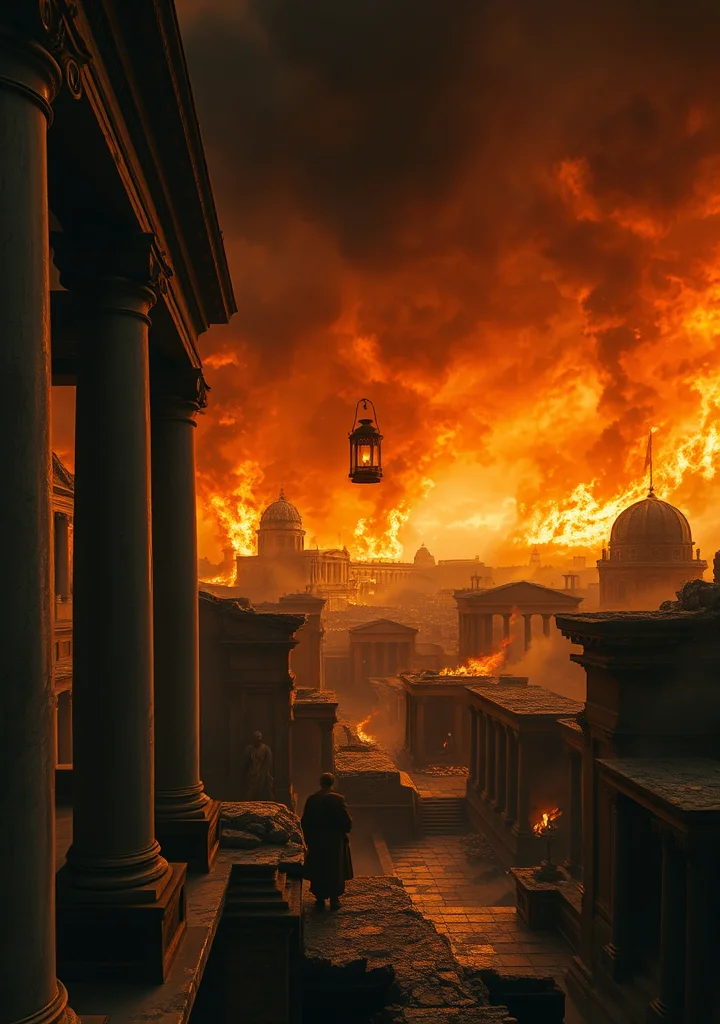
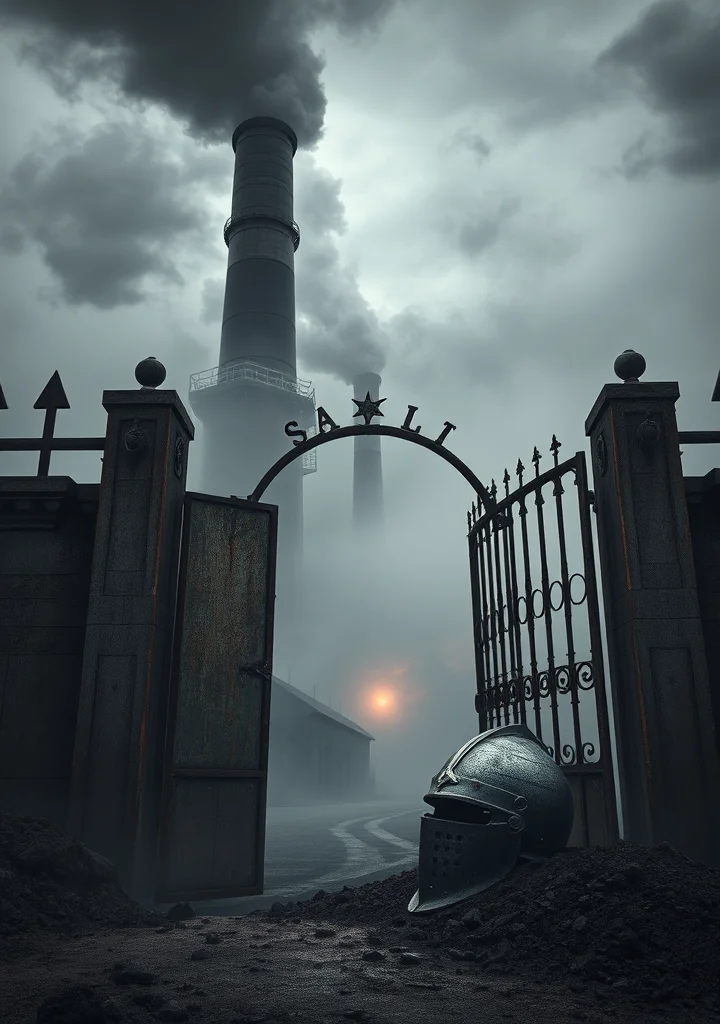
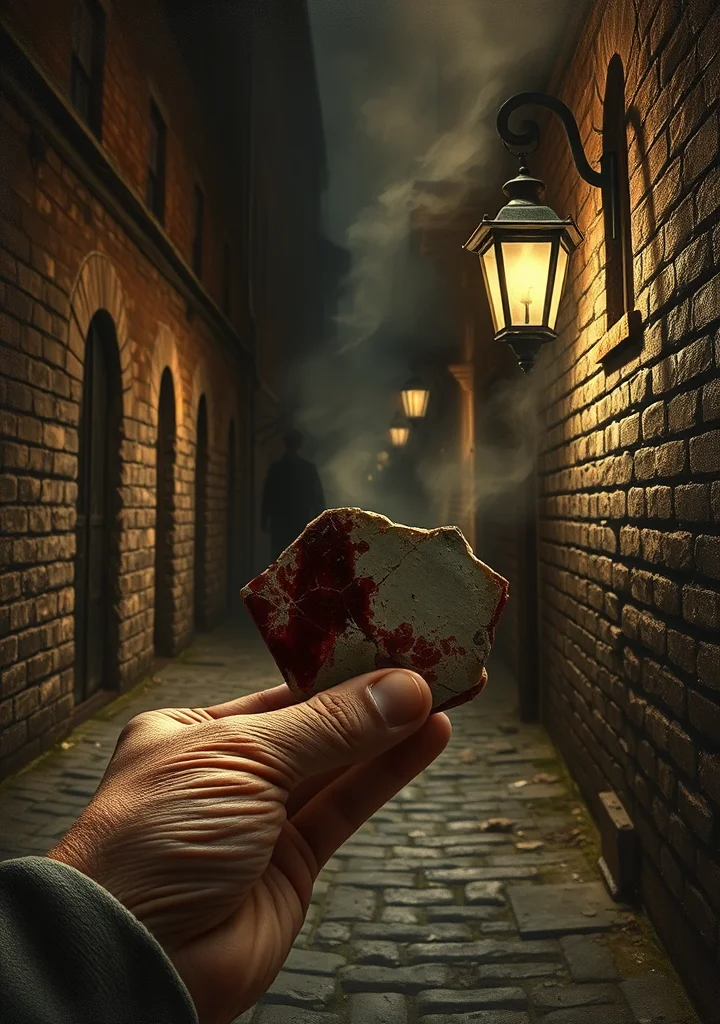
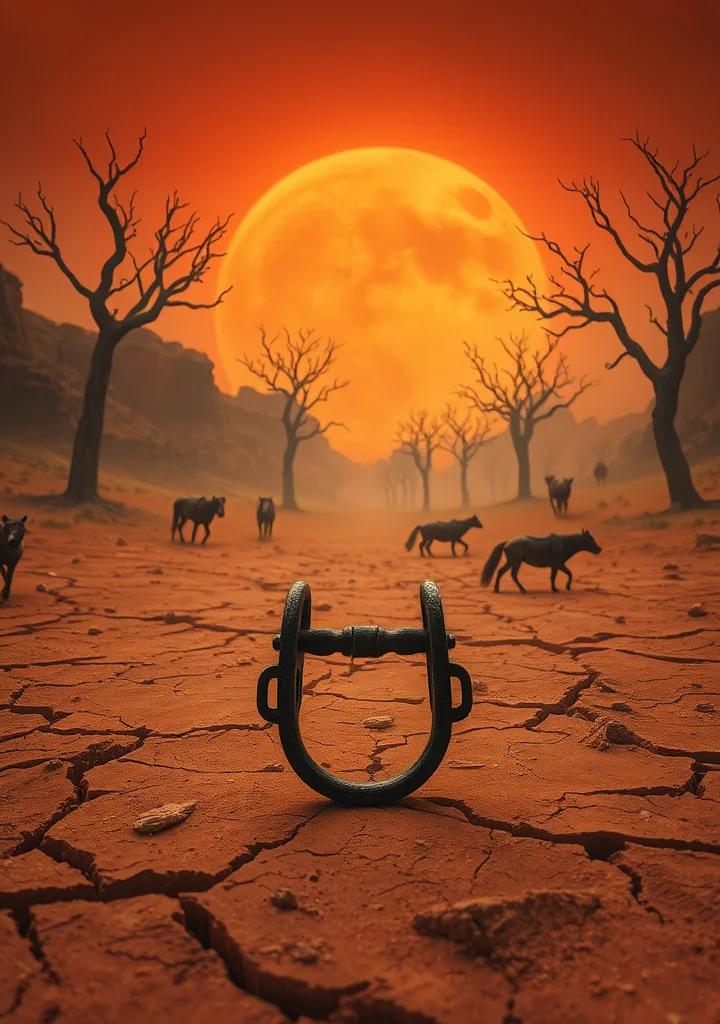
Dust motes dance in the perpetual twilight of shadowed legions. The scent of woodsmoke and iron clings to every page, a phantom chill rising from the meticulously charted landscapes of conquest. Not a chronicle of triumph, but a slow bleed of ambition into the bone-white earth of Gaul. Caesar’s prose, deceptively clinical, reveals the rot beneath the polished armor, the brittle fracture lines in a civilization shattered not by force alone, but by the insidious erosion of trust and the calculated unraveling of loyalties. Each measured sentence echoes with the hollow resonance of abandoned settlements, the silent screams of villages razed under a sky the color of ash. The narrative isn’t merely *about* war; it *is* war, distilled to its chilling geometry of control—a labyrinth of logistics where every calculated step paves the way for an encroaching darkness. A cold, calculating hand traces the boundaries of a kingdom’s death, and in the meticulous details, a subtle, terrifying elegance emerges: the precise rendering of a world consumed by its own shadow. The very parchment seems to whisper with the ghosts of those whose names were meticulously recorded, then swallowed by the endless march. It’s a testament not to victory, but to the haunting architecture of obliteration.
Copyright: Public Domain
This license allows anyone to use your story for any purpose, including printing, selling, or adapting it into a film freely.
This license allows anyone to use your story for any purpose, including printing, selling, or adapting it into a film freely.
More like this