
The Circular Staircase
  • 230
  • 0
  • 35
  • Reads 230
  • 0
  • Part 35
Completed, First published Mar 02, 2026

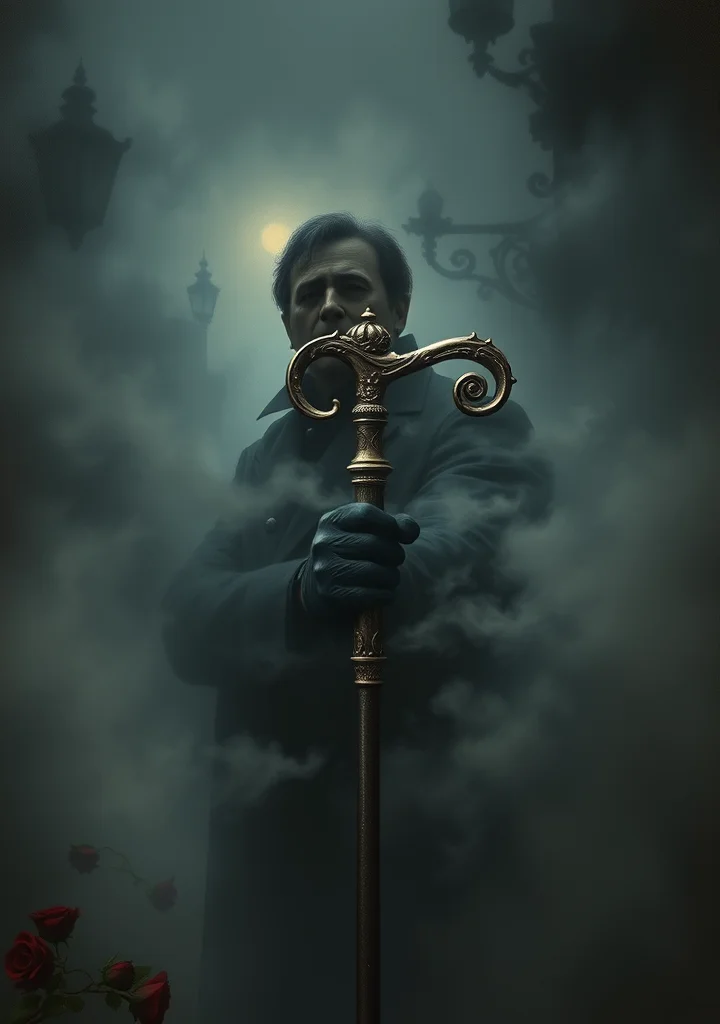
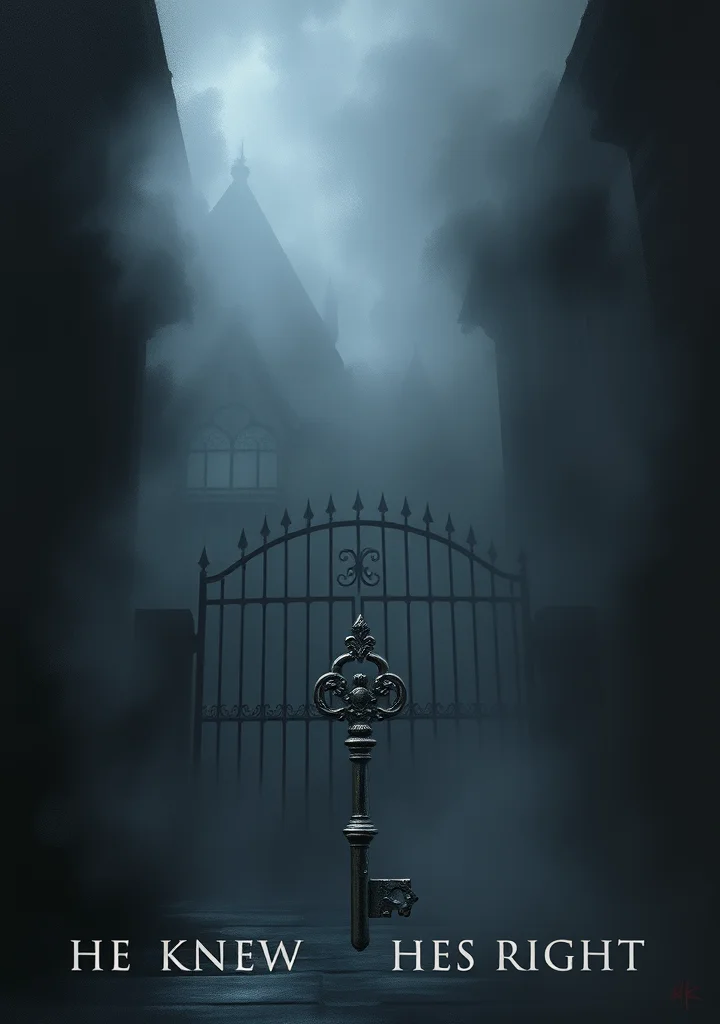
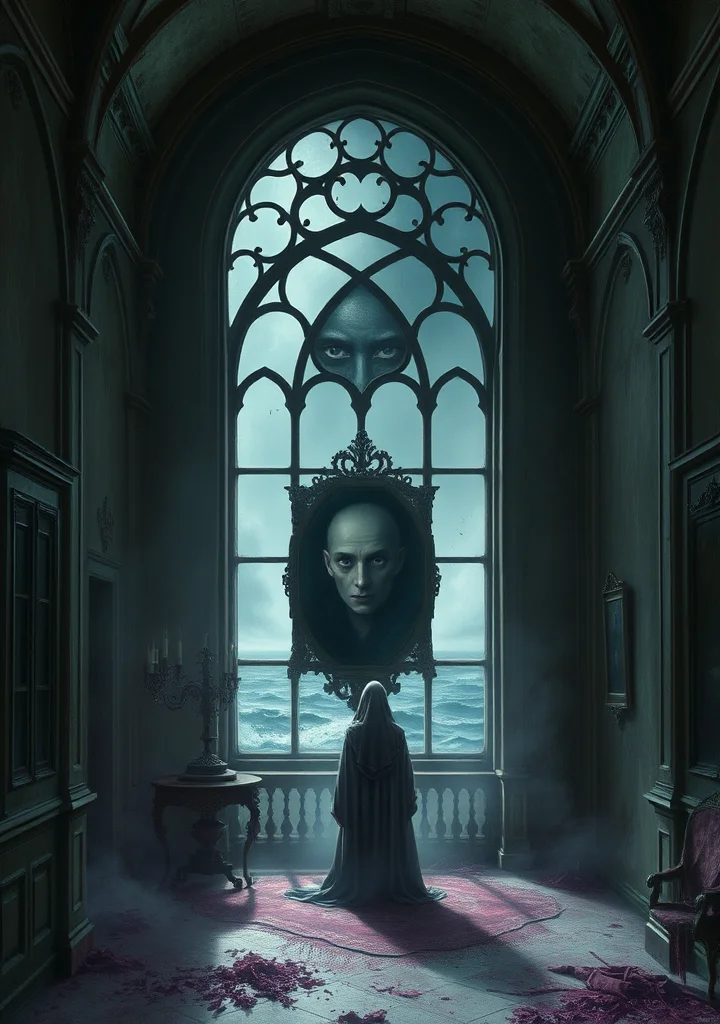
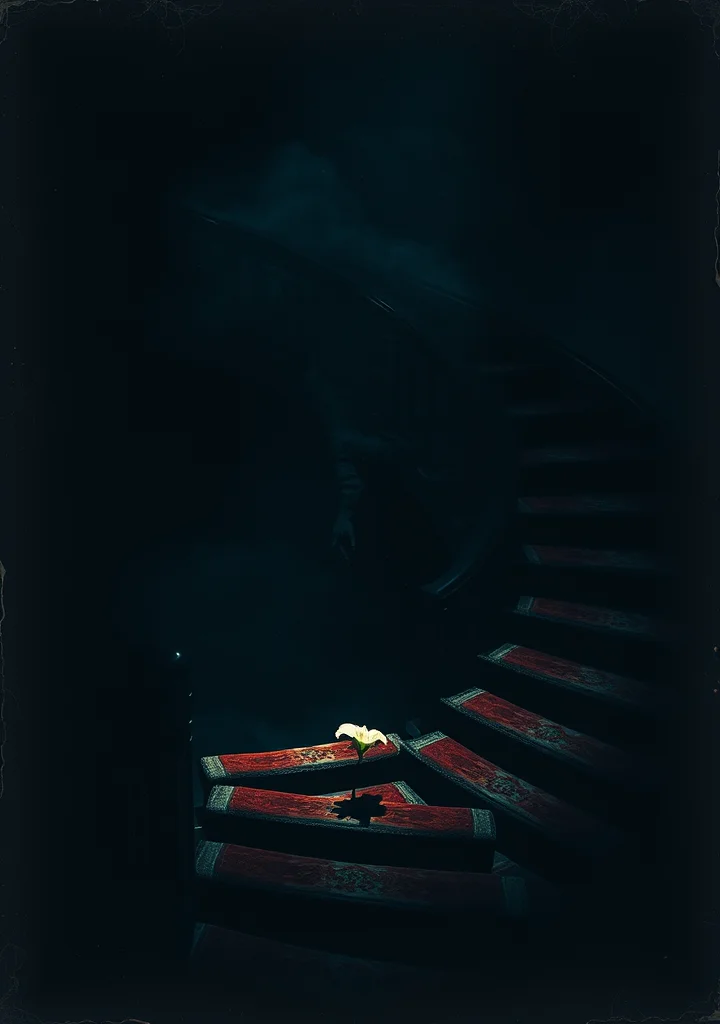
A chill permeates the shadowed halls of the ancient, isolated manor. Whispers cling to the velvet draperies, and the scent of decay mingles with the unsettling perfume of lilies. Within its labyrinthine corridors, a web of secrets is spun around a series of escalating, unnerving incidents – a stolen inheritance, a spectral presence, and the mounting dread of a family fractured by greed and suspicion. The very architecture of the house seems designed to trap, its circular staircase a dizzying descent into paranoia. Each darkened doorway promises a glimpse of something terrible, each locked room holds a piece of a fractured truth. A creeping sense of claustrophobia settles over the reader as the narrative coils tighter, mirroring the panicked breaths of those trapped within the manor’s oppressive embrace. The air thickens with the weight of unspoken accusations, and the delicate threads of sanity fray with each chime of the distant, unseen bell. The staircase isn't merely a passage; it's a spiral into madness, and the question isn’t *if* someone will fall, but *who*, and whether they'll take the truth with them into the abyss.
Copyright: Public Domain
This license allows anyone to use your story for any purpose, including printing, selling, or adapting it into a film freely.
Recommended for you
82 Part
A creeping dread clings to the shadowed corners of Sybil, a novel steeped in the miasma of industrial England’s decay. The narrative exhales a perpetual twilight, where soot-stained brick and crumbling mills mirror the fractured souls within. Disraeli doesn't offer mere poverty, but a spectral haunting of ambition, of a nation consuming itself. Sybil, the eponymous ward, drifts through a landscape of feverish unrest – a phantom flitting between the opulent indifference of the aristocracy and the ravenous hunger of the working class. The story unfolds not as a progression, but as an erosion. Each encounter, each act of charity or cruelty, feels carved from the same granite despair. A suffocating claustrophobia pervades, born not of physical confinement, but of the relentless, grinding monotony of lives lived in the shadow of the furnace. The language itself is a pallid imitation of grandeur, echoing with the hollowness of privilege. Expect not soaring romance, but the slow, agonizing unraveling of hope. The novel breathes with the chill of damp stone, the metallic tang of blood and coal dust. It’s a world where every smile is a brittle facade, every kindness laced with the bitter knowledge of its futility. A darkness, not of supernatural design, but of systemic fracture—a creeping rot that consumes the heart of England itself. The air thickens with the weight of unfulfilled promises, and the shadows lengthen with each passing, suffocating hour.

31 Part
Dust devils dance across a sun-bleached horizon, mirroring the spiraling desperation within Clara’s heart. The vast, ochre landscape of the Australian outback isn’t merely a backdrop, but a suffocating presence, mirroring the loneliness that claws at the edges of her forced union. Her husband, a man carved from the very granite of the land – stoic, taciturn, and haunted by a silence deeper than the endless plains – offers a marriage of duty, not affection. Each sunrise bleeds into another, marked only by the relentless heat and the slow, creeping dread of isolation. The homestead, a crumbling testament to forgotten dreams, breathes with the whispers of drought and the ghosts of failed promises. A relentless, sun-scorched melancholy permeates every timber and every shadow. Rumours cling to the fences like cobwebs – stories of restless spirits driven mad by the distance, of cattle rustlers swallowed by the red earth, and of a past that refuses to stay buried. Clara finds herself increasingly drawn to the stories, seeking solace in the darkness, as the land itself seems to conspire to unravel the fragile threads of her sanity. The very air hangs thick with the scent of decay, of lives withered and broken under the unforgiving gaze of the Southern Cross. It is a marriage not of love, but of endurance – a slow, agonizing descent into the heart of a desolate, unforgiving wilderness, where the only witness is the burning, indifferent sun.
5 Part
Dust motes dance in the echoing halls of Vathek, a gilded cage of decadence built upon the bones of ambition. The story unfurls not as a simple journey, but as a slow, suffocating descent into a nightmare of Eastern opulence and ancient, malevolent power. Beckoff’s prose breathes with the stifling perfume of jasmine and decay, weaving a tapestry of shadows where the line between reality and hallucination dissolves. The desert stretches, a silent, sun-bleached witness to Vathek’s relentless pursuit of forbidden knowledge. Each chamber encountered within his vast domain whispers of forgotten sorceries, echoing with the lament of djinn and the cold touch of spectral guardians. A creeping dread permeates the narrative, not from overt horror, but from a subtle erosion of sanity as Vathek, driven by hubris, unravels the very fabric of his existence. The atmosphere is one of exquisite torment, a claustrophobic grandeur where pleasure curdles into despair. It is a story steeped in the scent of burning incense and the weight of ancestral curses, where every indulgence draws Vathek closer to a chasm of cosmic indifference. The narrative chills with the realization that the true terrors lie not in the supernatural, but in the monstrous potential within the human heart, consumed by its own insatiable desires. It is a descent into a darkness not of demons, but of the self, mirrored in the endless, desolate landscapes that mirror the fracturing of a soul.