
The New Freedom
  • 241
  • 0
  • 12
  • Read 241
  • 0
  • Part 12
Completed, First published Mar 02, 2026

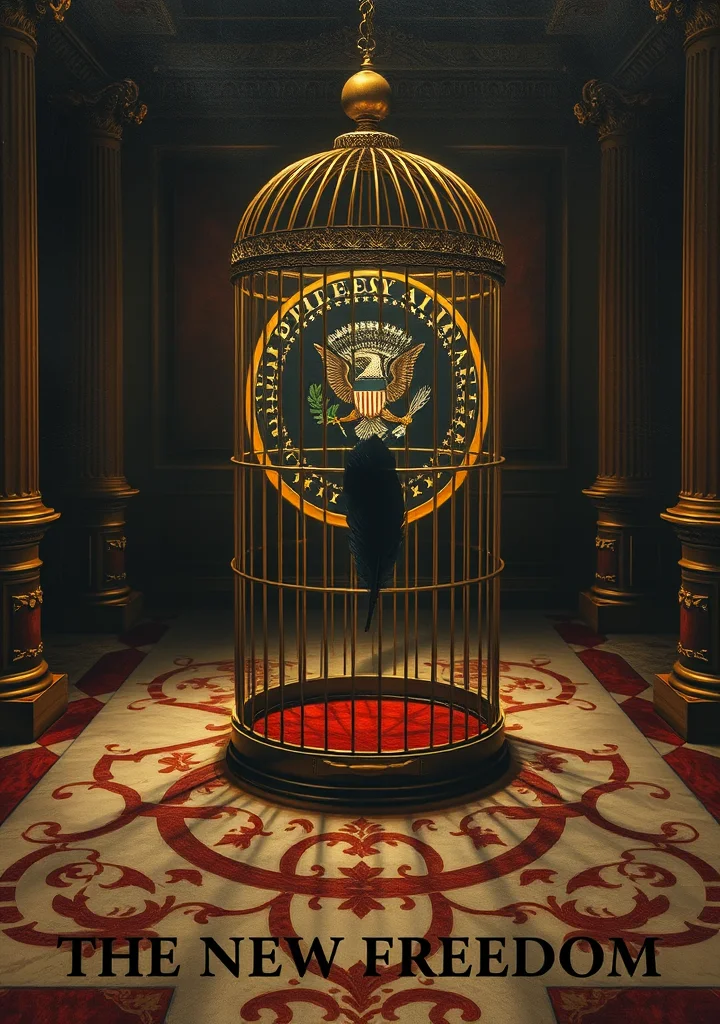
A creeping dread permeates the shadowed halls of post-war America. The “New Freedom” promised isn’t liberation, but a gilded cage constructed of ambition and regret. Whispers follow the President’s pronouncements—a chill wind carrying the scent of decay from abandoned ideals. The narrative unfolds as a slow erosion of the soul, a descent into the suffocating elegance of a nation built on compromise. Every polished surface reflects a fractured image; every declaration of progress echoes with the hollow clang of chains. A suffocating humidity clings to the Southern plantations, mirroring the moral rot within the halls of Congress. The story is one of phantom debts, of the spectral weight of unacknowledged suffering. Dust motes dance in the lamplight, each a tiny ghost of broken promises. The characters, draped in the suffocating formality of the era, are haunted by the ghosts of their ancestors, their fortunes built on foundations of quiet violence. The landscape itself seems to mourn – cypress swamps swallowing the light, and iron rails rusting in the encroaching darkness. It is a freedom bought at the cost of a creeping, unseen terror – a freedom that tastes of ash and regret.
Copyright: Public Domain
This license allows anyone to use your story for any purpose, including printing, selling, or adapting it into a film freely.
Recommended for you
15 Part
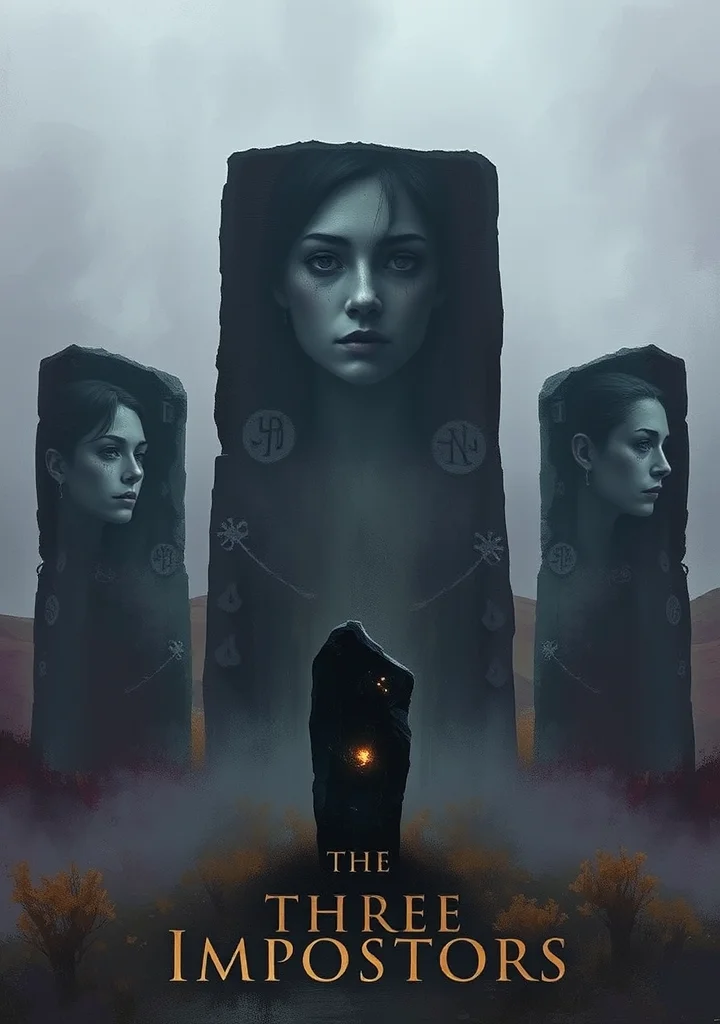
A creeping dread clings to the Welsh hills, a miasma rising from ancient stones and shadowed valleys. Machen weaves a tale not of what is seen, but of what *becomes* visible – the fracturing of reality itself. Three men, each subtly, terrifyingly *wrong*, infiltrate a quiet village, their presence a slow corruption of the familiar. They are not demons in disguise, nor madmen escaped from asylums, but something far stranger: echoes of forgotten gods, slivers of nightmares given flesh. The narrative unfolds like a fever dream, blurring the line between the mundane and the monstrous. A suffocating claustrophobia settles over the reader as the impostors’ influence spreads – a chilling stillness in the eyes of livestock, the unnerving precision of their smiles, the scent of decay clinging to their clothes. The air itself thickens with an unspoken terror, a sense of being watched by something vast and uncaring. The true horror lies not in their deeds, but in the subtle unraveling of the world around them. Stone circles become gateways, ancient rituals awaken, and the very foundations of the village begin to crumble under the weight of their alien scrutiny. It is a story of slow, insidious possession, where sanity is peeled away like layers of skin, leaving only the raw, screaming nerve of primal fear. The darkness doesn’t *come* – it *is*, woven into the very fabric of existence, and these three impostors are merely the stitches pulling it taut.
69 Part
A creeping fog clings to the shores of Penguin Island, a land born not of earth but of the icy breath of the North Atlantic. The narrative drifts like wreckage on a grey sea, charting the history of a colony of penguins who, through a perverse twist of evolution and the dubious guidance of a shipwrecked priest, claim lineage from the ancient Celts. It’s a history soaked in brine and shadowed by the perpetual twilight of the Southern Ocean. The island itself is a crumbling monastery of stone and feather, where the penguin-priests chant in echoing caves, their rituals laced with a melancholic, avian piety. The air hangs heavy with the scent of fish and decay, a constant reminder of the island’s isolation. Each chapter unravels like a barnacle encrusting a forgotten hull, revealing a world where theological debate is punctuated by the screech of gulls and the mournful cry of the wind. A slow, deliberate rot pervades the narrative; the crumbling faith, the decaying structures, the very bodies of the penguins themselves seem destined to dissolve back into the churning, unforgiving sea. There’s a pervasive sense of the absurd, a mocking grandeur that clings to the story like seaweed to a drowned man’s limbs. It’s a gothic fable woven from salt spray, philosophical despair, and the unsettling, uncanny gaze of creatures forever poised between heaven and the icy abyss. The island doesn’t yield to understanding, it *consumes* it, leaving only a chill and the whisper of wings in the perpetual fog.
32 Part
A creeping dread permeates the cobbled streets of Prague, not from specters or ghouls, but from the unsettling quietude of a power unbound. It begins with whispers—objects, imbued with a strange, echoing sentience, drifting from their owners, multiplying in darkened rooms. These are the Absolute, fragments of will detached from humanity, seeking not dominion, but *completion*. They collect, coalesce, and absorb the desires, frustrations, and latent regrets of those they touch, growing into monstrous reflections of the city’s hidden heart. The narrative coils around Doctor Borik, a man haunted by his own failures, forced to unravel the mystery before the Absolute consumes not just possessions, but identities. Shadows lengthen as the line between object and consciousness blurs. Dust motes dance with purpose, forgotten heirlooms throb with stolen intent, and the very air chills with the weight of unfulfilled longing. The atmosphere is one of suffocating claustrophobia. Every abandoned item feels observed, every darkened doorway a maw waiting to swallow the unwary. The prose is thick with the scent of decay and the metallic tang of obsession, mirroring the Absolute’s insatiable hunger. It is not a story of monsters hunting men, but of the monstrous *within* men, given form and unleashed upon a world already teetering on the brink of ruin. The novel unfolds like a slow, agonizing fracture of the self, where the echoes of what *could have been* threaten to drown all that remains.