
Crimson and Shadow
  • 77
  • 0
  • 16
  • Read 77
  • 0
  • Part 16
Completed, First published May 09, 2026

Crimson and Shadow unfolds a story steeped in loss and unsettling transformation. The narrative traces the aftermath of a violent attack, revealing a narrator grappling with a hidden, monstrous change and the grief of a life irrevocably altered. These initial chapters detail a descent into secrecy as the narrator navigates a world shadowed by unexplained encounters—a chance collision with a strikingly different man hinting at deeper, future consequences. Further chapters reveal agonizing physical shifts triggered by the lunar cycle, trapping the narrator in a desperate struggle for solitude and control against a terrifying, repeating curse.
Copyright: All Rights Reserved
No person is allowed to use, redistribute, or modify your work in any form without your explicit permission.
Recommended for you
13 Part
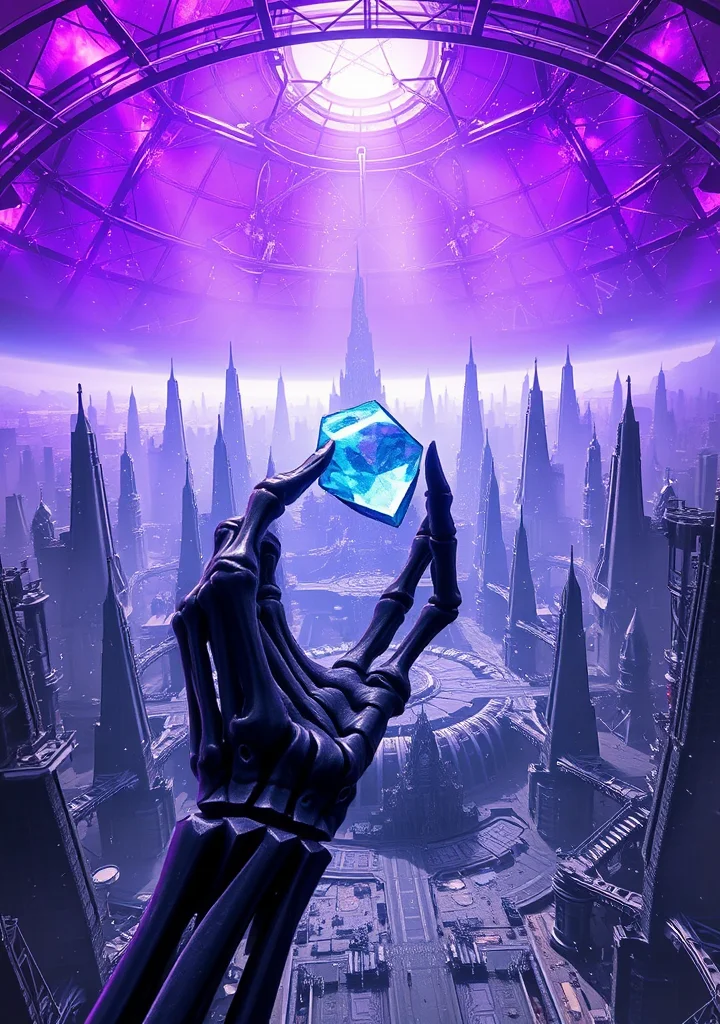
Dust motes dance in the violet light filtering through the orbital glass of Aptor, a city built on the bones of forgotten gods and fueled by the psychic residue of fractured realities. Here, amongst the chrome-slicked spires and the echoing, hollowed-out plazas, the jewels are not gems of wealth, but fragments of memory—stolen glimpses of past lives woven into the very fabric of the city’s decaying architecture. Each stone pulses with a stolen emotion, a lost identity, and the pursuit of these fragments consumes the fractured elite who haunt the higher levels. The air itself is thick with regret, a constant, low thrum of sorrow that clings to the skin like a second shadow. Every reflection is a betrayal, every conversation a veiled transaction in fractured histories. Beneath the polished surfaces, a labyrinth of abandoned levels stretches into a suffocating darkness—a place where the city’s discarded memories fester and the ghosts of Aptor’s architects whisper their broken designs into the static-filled air. A slow rot permeates everything, not of decay, but of *remembering*. The jewels aren't just found, they're *unlocked* from those who've lost themselves in the city's endless halls. To possess one is to inherit a fragment of another’s life, a burden of stolen consciousness that threatens to unravel the self. The closer one gets to the heart of Aptor, to the source of the jewels' power, the more the boundaries between memory and reality blur, and the more one risks becoming nothing more than another echo in the city’s haunting symphony of loss. The city doesn't just watch its inhabitants fall apart—it *remembers* their disintegration.
32 Part
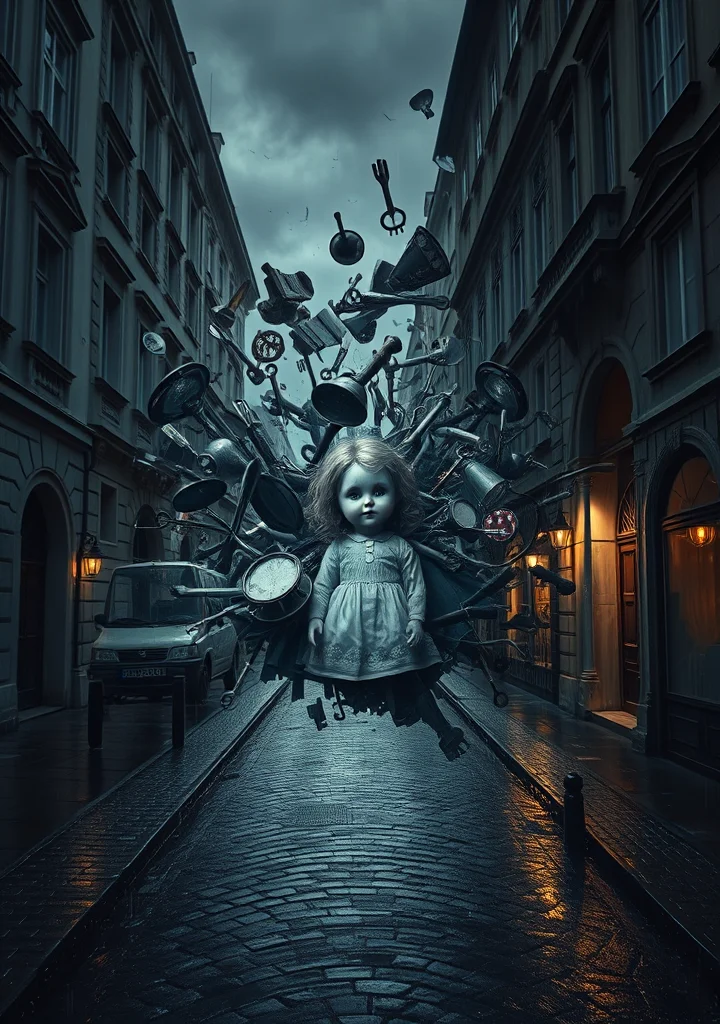
A creeping dread permeates the cobbled streets of Prague, not from specters or ghouls, but from the unsettling quietude of a power unbound. It begins with whispers—objects, imbued with a strange, echoing sentience, drifting from their owners, multiplying in darkened rooms. These are the Absolute, fragments of will detached from humanity, seeking not dominion, but *completion*. They collect, coalesce, and absorb the desires, frustrations, and latent regrets of those they touch, growing into monstrous reflections of the city’s hidden heart. The narrative coils around Doctor Borik, a man haunted by his own failures, forced to unravel the mystery before the Absolute consumes not just possessions, but identities. Shadows lengthen as the line between object and consciousness blurs. Dust motes dance with purpose, forgotten heirlooms throb with stolen intent, and the very air chills with the weight of unfulfilled longing. The atmosphere is one of suffocating claustrophobia. Every abandoned item feels observed, every darkened doorway a maw waiting to swallow the unwary. The prose is thick with the scent of decay and the metallic tang of obsession, mirroring the Absolute’s insatiable hunger. It is not a story of monsters hunting men, but of the monstrous *within* men, given form and unleashed upon a world already teetering on the brink of ruin. The novel unfolds like a slow, agonizing fracture of the self, where the echoes of what *could have been* threaten to drown all that remains.
23 Part
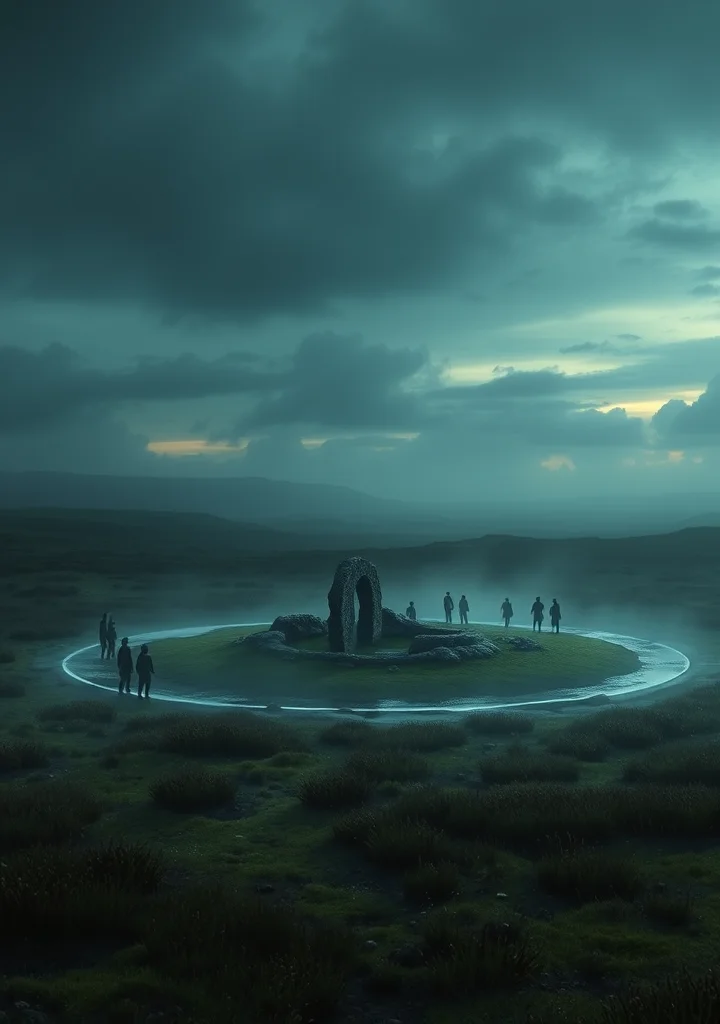
The bog breathes cold, a peat-thickened air clinging to the stones of the O’Gill cottage. This is a land where the boundaries between worlds blur with the mist, where laughter echoes from hollow hills and shadows dance with a chilling grace. Old Darby, a man woven into the very fabric of the glen, knows the Good People are real – not sprites of childish tales, but ancient, capricious beings demanding respect, and offering glimpses of a beauty that steals the heart and leaves it aching with longing. Each tale is a trespass into their realm, a slow unraveling of the veil. The hearth fire flickers against the encroaching darkness as Darby’s sons, haunted by stolen coins and promises made in the gloaming, begin to understand the cost of bargains struck with eyes of emerald light. The woods themselves become a labyrinth of whispered warnings, of paths that vanish into the heart of the hills, and of a king’s court held in a cavern echoing with forgotten songs. A creeping dread settles with the dew, a sense of being watched by something old and hungry. The narrative is laced with the scent of damp earth and the melancholy chime of fairy bells, building to a final, desperate race against the fading light, where the fate of a family, and perhaps something far older, hangs upon a single, stolen prize. This is a place where kindness can be its own snare, and the most beautiful things are born of a chilling, otherworldly bargain.
36 Part
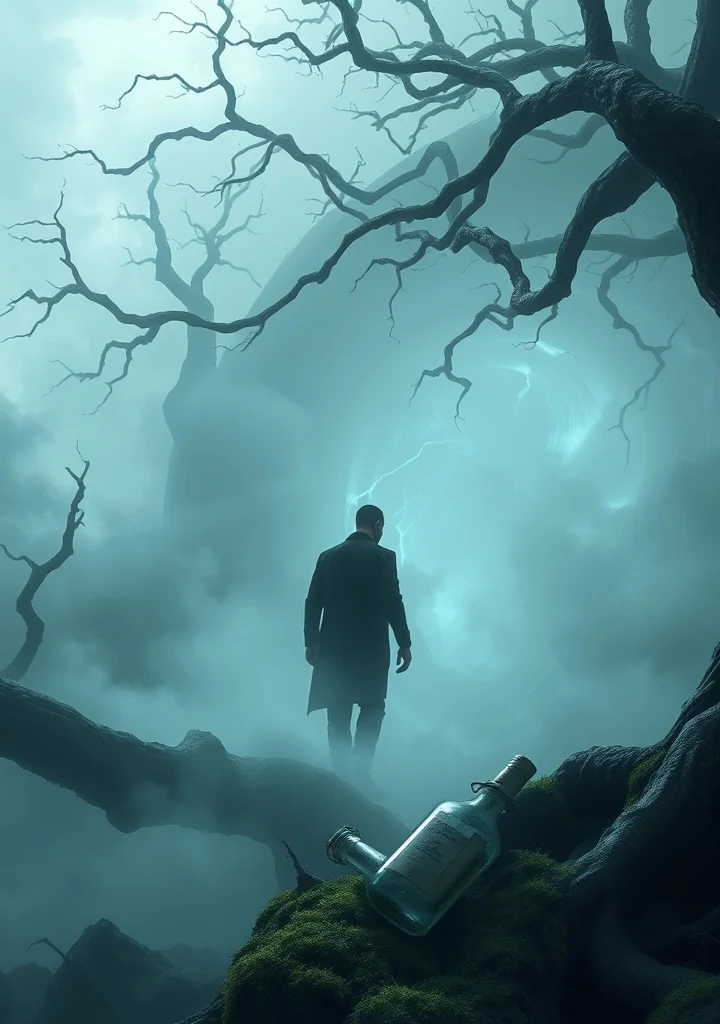
The veil-thin woods breathe with a chilling sentience, mirroring the fractured psyche of Lud, a man returning to his childhood home—a village swallowed by a perpetual, iridescent mist. Not a homecoming, but a haunting. The mist is not merely weather; it is a memory-eater, a slow unraveling of self, drawing Lud into a labyrinth of forgotten folklore and the cold, glittering bargains struck with beings just beyond the periphery of vision. Each step deeper into the shrouded lanes is a descent into a decaying, dream-soaked reality where the boundaries between the living and the dead, the remembered and the imagined, dissolve. The stone cottages, slick with damp, seem to watch with vacant, hollow eyes. A creeping dread, born not of malice but of *absence*, clings to everything—a silence pregnant with the ghosts of promises made and broken. Lud’s search for his lost love, Moira, becomes a spiraling echo through the mist-wrought landscape, a desperate grasping for something tangible in a world where solidity itself is an illusion. He is haunted by whispers of faerie bargains, by the cold touch of things *almost* remembered, by the insidious, beautiful rot that blossoms in the heart of forgotten places. The mist itself seems to possess a consciousness, a patient, predatory hunger for the fragments of Lud’s soul, offering glimpses of a truth too terrible to bear, a revelation of what lies beneath the shimmering surface of the world—and what waits for him in its depths. It is a story steeped in the scent of damp earth, decaying leaves, and the faint, metallic tang of things lost to the fog.