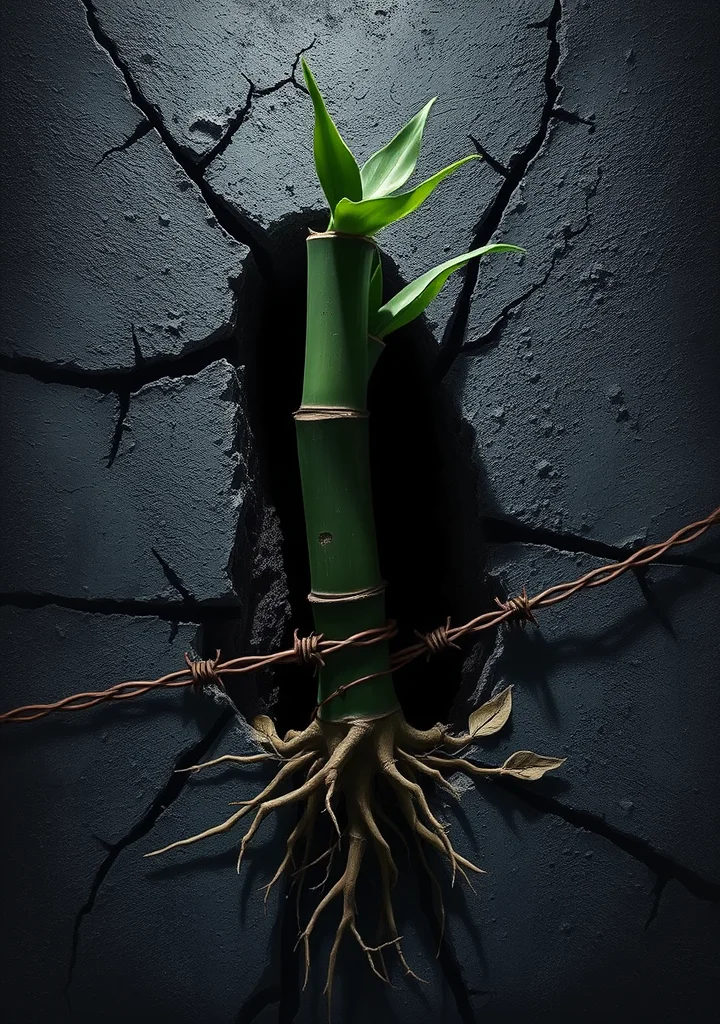

Fractura da Califórnia
  • 12
  • 0
  • 4
  • Read 12
  • 0
  • Part 4
Ongoing, First published May 23, 2026

O romance segue Jasper como ele chega na Califórnia para uma estadia prolongada com sua mãe e irmão, Danny. Embora esperando por um novo começo, Jasper rapidamente enfrenta ansiedades sobre a montagem, particularmente como ele navega na escola ao lado de Danny. Estes capítulos revelam uma dinâmica complexa entre os irmãos, marcada pelo bullying e alianças inesperadas. Como Jasper procura conexão, ele encontra uma amizade improvável com Jamie, enquanto lida com revelações perturbadoras sobre sua família. A narrativa traça um caminho através do isolamento adolescente e verdades ocultas de peso.
Copyright: All Rights Reserved
No person is allowed to use, redistribute, or modify your work in any form without your explicit permission.
Recommended for you
30 Part
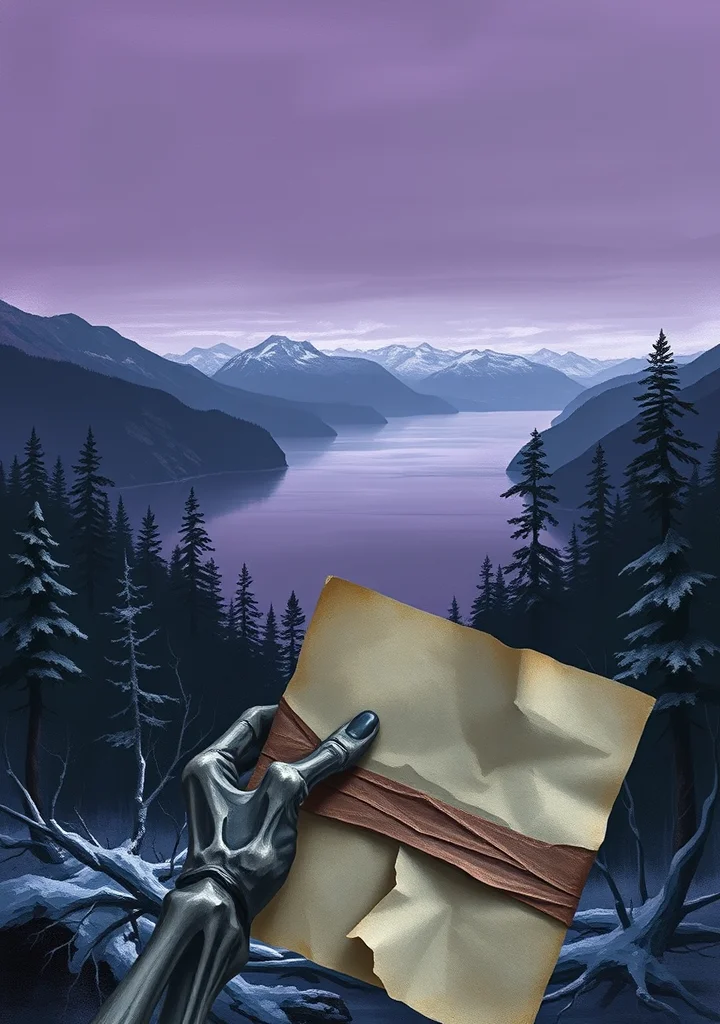
A creeping chill clings to these pages, not of snow-bound landscapes alone, but of a loneliness that permeates the very fjords and shadowed forests. Wollstonecraft’s letters unravel a journey not merely through Scandinavian vistas, but through the fractured landscapes of a woman wrestling with grief, disillusionment, and the suffocating weight of societal expectation. The prose is steeped in a melancholic haze, mirroring the perpetual twilight of the northern realms. Each observation – a peasant’s cottage, a royal court, a desolate stretch of coastline – is rendered with a delicate, almost spectral clarity, haunted by the author’s internal turmoil. There’s a pervasive sense of isolation, amplified by the vastness of the scenery. The narrative doesn't simply *describe* Norway; it *becomes* Norway – a place where the heart, stripped bare by loss, echoes with the silence of ancient stones. A subtle dread permeates the descriptions of prisons and political unrest, hinting at a darkness beneath the veneer of civility. The letters themselves become fragments of a broken mirror, reflecting not just the author's travels, but the fractured state of her own soul, adrift in a land where the boundaries between reality and reverie blur with the long, encroaching shadows. The very air seems to whisper of forgotten tragedies, and a chilling premonition of the author's own unraveling.
129 Part
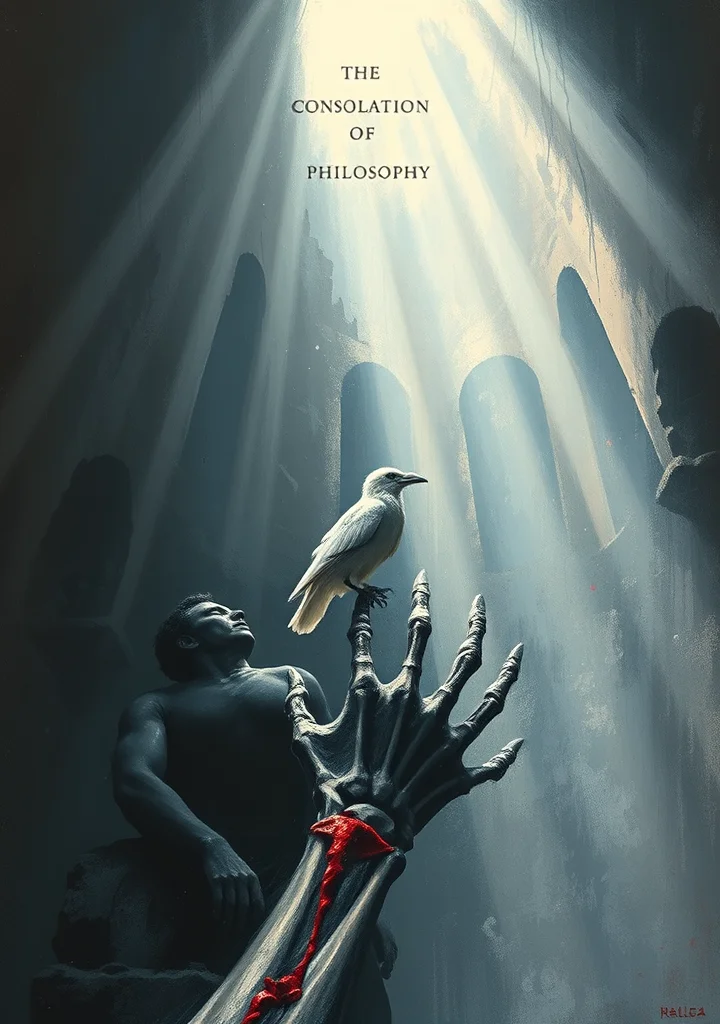
Dust motes dance in the fractured light of a crumbling tower, mirroring the fragments of a life shattered by exile and betrayal. Within these stone walls, a man—once a pillar of power, now stripped bare—grapples not with chains or bars, but with a grief that threatens to swallow him whole. He is haunted by the swift, cruel fall from grace, the whispers of accusations echoing in the hollows of his despair. But solace, or a twisted mockery of it, comes in the form of a spectral presence—Philosophy herself, a woman woven from starlight and sorrow, her voice a chilling balm against the wounds of the world. She leads him through labyrinthine corridors of thought, where reason battles with the phantom pain of loss. The air is thick with the scent of decay, both of the body politic and the soul. Visions of fortune’s wheel—a cruel, spinning device—loom large, showcasing the ephemeral nature of earthly power. Each argument, each carefully constructed verse, feels less like a comforting embrace and more like the cold touch of inevitability. The narrative is steeped in the grey of twilight, a perpetual autumn where every leaf falling is a reminder of what is lost. It is a meditation on the nature of good and evil, not as grand battles, but as insidious erosion, a slow poisoning of the spirit. The reader is drawn into a claustrophobic space where the only escape is through the labyrinth of the mind, where the architecture of despair is both beautiful and terrifying. Ultimately, the question lingers: is this consolation a true refuge, or merely a gilded cage built around a broken heart?