
Célula e sombras
  • 6
  • 0
  • 1
  • Read 6
  • 0
  • Part 1
Ongoing, First published Jun 01, 2026

A narrativa traça a descida de Ian Becker para a dura realidade da vida institucional no Psiquiátrico de St. Patrick. Inicialmente processado como um novo preso, ele rapidamente confronta as ansiedades de confinamento e o comportamento imprevisível de seus colegas pacientes. Esses capítulos revelam um mundo definido pela dinâmica social tensa, onde até mesmo uma refeição compartilhada pode se transformar em conflito violento. medida que Ian se ajusta ao seu entorno, ele lida com os medos internos - da ameaça de volátil em companheiros vivos..
Copyright: All Rights Reserved
No person is allowed to use, redistribute, or modify your work in any form without your explicit permission.
Recommended for you
19 Part
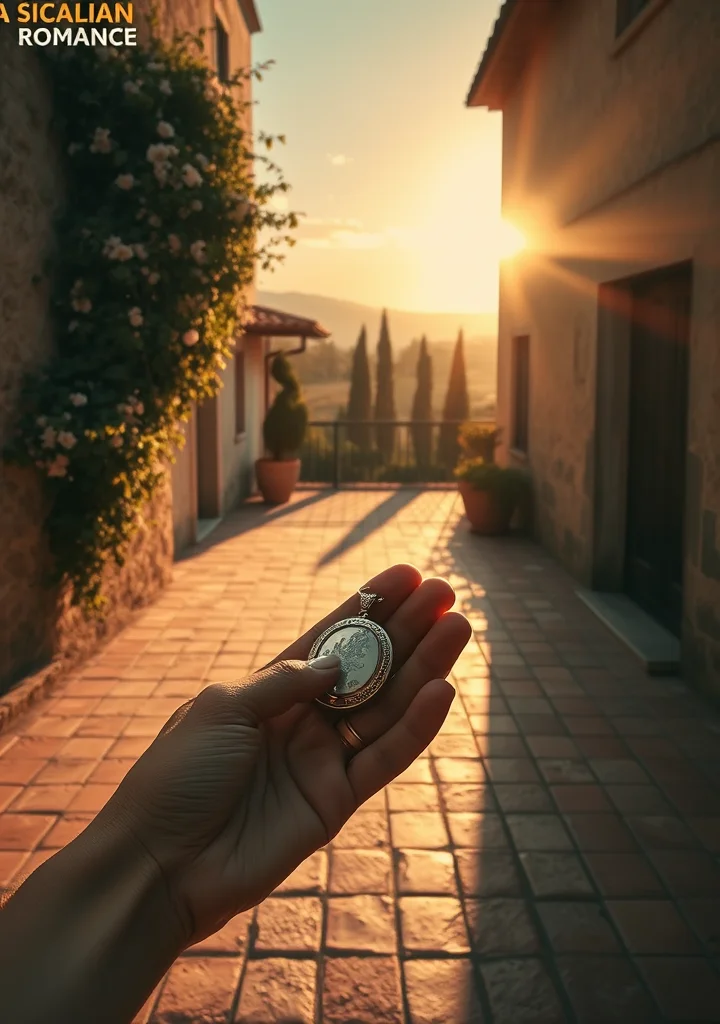
Beneath the sun-bleached stones of Sicily, a shadow descends. Not of bandits or political intrigue, but a creeping dread woven into the very fabric of ancient villas and crumbling chapels. The narrative unfolds within a labyrinth of sun-drenched courtyards concealing forgotten histories, and the scent of jasmine masking the rot of decaying grandeur. A young Englishwoman, adrift in a land of simmering passions and veiled secrets, finds herself drawn into a family’s fractured legacy—a legacy haunted by whispers of a tragic past. The air hangs thick with the weight of unfulfilled desires, and the heat breeds not just fever, but a suffocating claustrophobia. Each crumbling archway seems to observe, each darkened corridor to breathe with the ghosts of those who succumbed to melancholy. The landscape itself becomes a character—a brutal beauty that both lures and threatens. A slow unraveling of the heroine’s composure occurs as she navigates a treacherous dance between duty and desire, guided by a charismatic nobleman whose own shadow-self is barely contained. The romance, as it blooms, is laced with the venom of suspicion. Every stolen glance, every whispered confession, is shadowed by the possibility of deception. The story is less about the passion between two souls, and more about the suffocating atmosphere that threatens to swallow them both—a suffocating atmosphere born of isolation, ancient curses, and the slow, insidious decay of a noble line. The Sicilian soil itself seems to drink the light, leaving only an eternal twilight clinging to the heart of the story.
39 Part
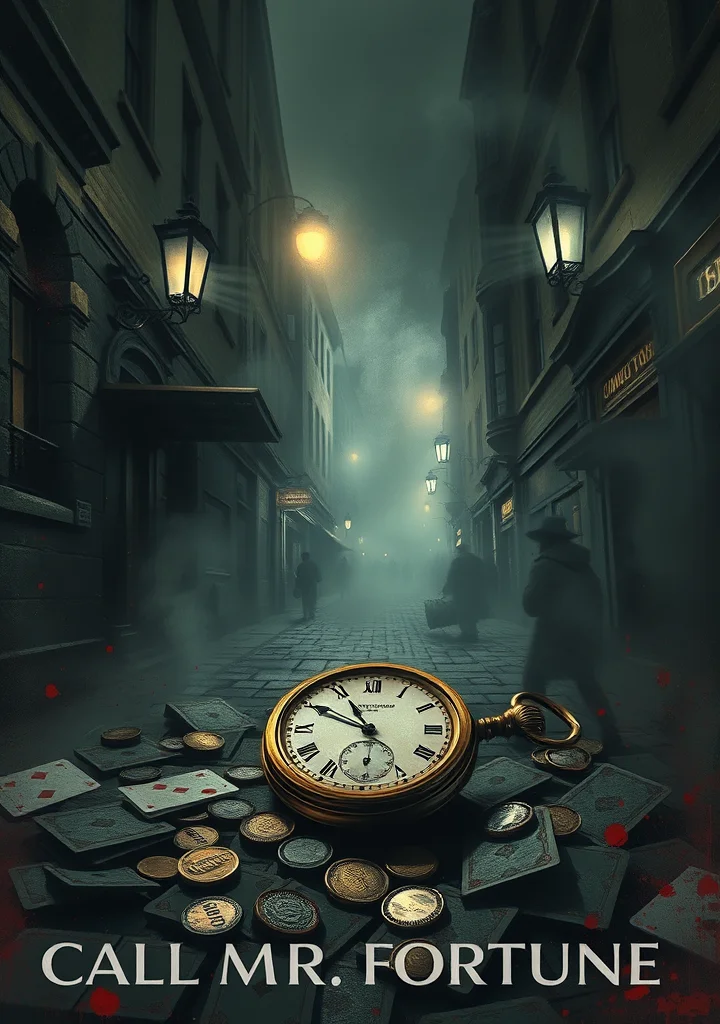
A salt-laced dread clings to the rigging of the *Walhalla*, a phantom ship adrift in a sea of simmering betrayals. Verne doesn’t merely chart a voyage, he maps the rot within men’s hearts. The sun bleeds crimson across the decks as young Dick Sands, thrust into command by a cruel twist of fate, finds himself not master of his vessel, but puppet of a conspiracy woven in the humid shadows of colonial ports. Each wave whispers of mutiny, each horizon hides a lurking threat – not from storms or pirates, but from the elegant poison of civilized deceit. The narrative unfurls like a fever dream, drenched in the ochre dust of forgotten African kingdoms and the sickly sweet perfume of smuggled opiums. The air hangs thick with the stench of desperation, of fortunes gambled on the backs of slaves, of lives bartered for a handful of glittering coins. Every act of bravery is shadowed by the gnawing suspicion of a trap, every rescue tainted by the knowledge of a hidden hand pulling the strings. This is not adventure; it is a slow unraveling, a descent into a darkness where the boundaries of loyalty and betrayal blur until they vanish entirely. The reader is left adrift alongside Sands, choking on the salt spray of paranoia, wondering if the boy captain commands his fate, or merely sails toward the inevitable wreck of his soul. The islands themselves seem to mourn, shrouded in mists that conceal not just land, but the ghosts of those consumed by avarice and despair.
15 Part
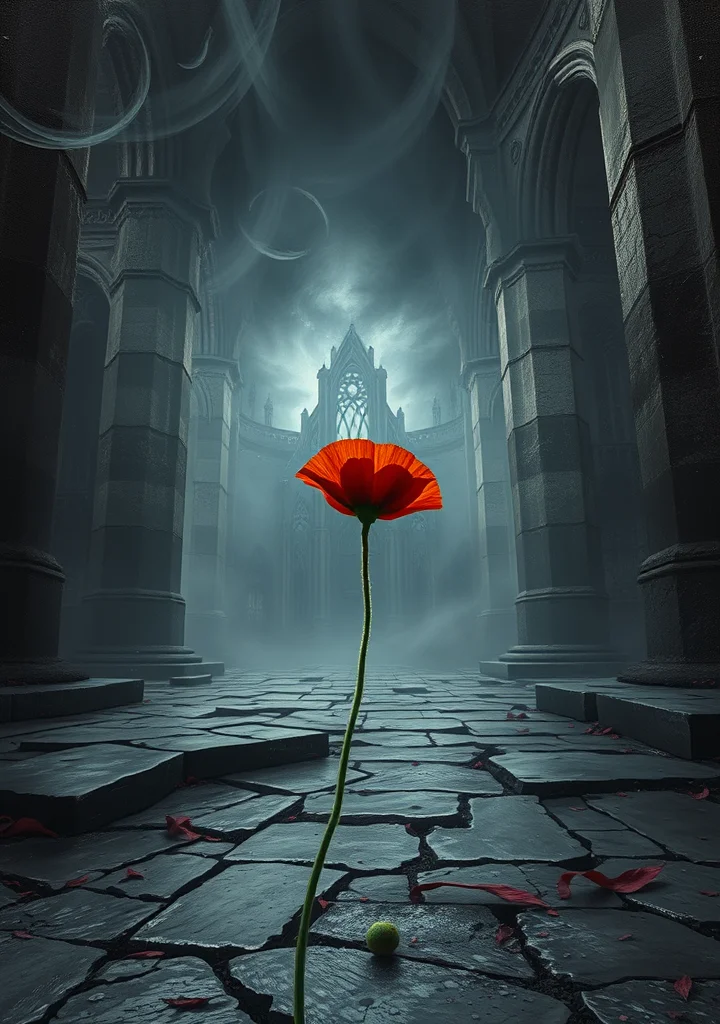
A suffocating mist clings to the crumbling stone of Wollaston’s world, a landscape haunted by the ghosts of reason abandoned. This is not a tale of spectral apparitions, but of a rot within the very bone of existence, where the boundaries between the natural world and the fracturing psyche dissolve. The narrative unfolds like a slow poisoning, tracing the decay of a man’s faith not through divine revelation, but through the cold, clinical dissection of the world’s mechanics. Every wildflower dissected, every star’s trajectory charted, feels less a discovery and more an incision – revealing not the hand of God, but the gaping void where devotion once resided. A pervasive dread settles not in grand, theatrical horrors, but in the meticulous observation of decay. The prose mirrors the era’s obsession with precision, yet each measured sentence feels like a tightening noose. Sunlight here is not a promise of warmth, but a harsh glare exposing the barrenness of a landscape stripped of all comfort. It is a study in isolation, not of hermits in remote cabins, but of a consciousness slowly entombed within the suffocating rationality of its own design. The silence isn’t emptiness, but the stifled scream of a soul observing its own extinction. The air itself tastes of ash and the scent of dried herbs, hinting at a morbid alchemy where the pursuit of natural law becomes a ritual of self-annihilation. One reads not to understand a religion, but to witness the unraveling of one man’s mind as he methodically charts his descent into the barren, unforgiving wilderness of a godless universe.