
Crimson Promesas
  • 10
  • 0
  • 5
  • Read 10
  • 0
  • Part 5
Ongoing, First published May 23, 2026

Crimson Promesas traza una compleja red de relaciones florecientes dentro del mundo de Demon Slayers. La narración sigue al narrador mientras navega por conexiones inesperadas, primero con Tanjiro, donde las confesiones tentativas florecen en un tierno beso, y más tarde con Inosuke, cuyo exterior agresivo esconde un atractivo cautivador. Estos capítulos revelan una historia de percepciones cambiantes y superación de la aversión inicial, que culmina en momentos de atracción mutua..
Copyright: All Rights Reserved
No person is allowed to use, redistribute, or modify your work in any form without your explicit permission.
Recommended for you
48 Part
The salt-laced wind carries whispers of decay from the crumbling manor, Blackwood, where the remnants of a forgotten Eden cling to the cliffs. A creeping dread permeates the estate, a legacy of shadowed inheritances and the fevered dreams of its last, fractured master. Old Man Silas, driven mad by a grief that blooms in the choked gardens, stalks the halls, haunted by visions of a paradise lost – and a daughter claimed by the sea. The narrative coils tight around the suffocating weight of Blackwood’s history, a relentless tide of obsession that pulls the new ward, young Elias, into Silas’s fractured world. Sunken paths lead to grottoes filled with brine-stained carvings, where the scent of rot mingles with the phantom fragrance of jasmine. Every stone breathes with a sorrowful resonance, a stifled scream locked within the stone. The fog rolls in, thick as gravecloths, obscuring not only the jagged coastline but the fragile boundaries of Elias’s sanity. He finds himself drawn to the dark heart of the estate, to the ruined chapel where the echoes of a desperate faith still linger. The narrative isn’t merely a haunting; it *is* the haunting itself—a slow, inevitable descent into the shadowed embrace of a man consumed by loss, where the line between salvation and damnation dissolves in the salt-stained twilight. The very air seems to weep with the weight of Blackwood’s sorrow, a constant, chilling reminder that Eden, once a promise, is now a tomb.
19 Part
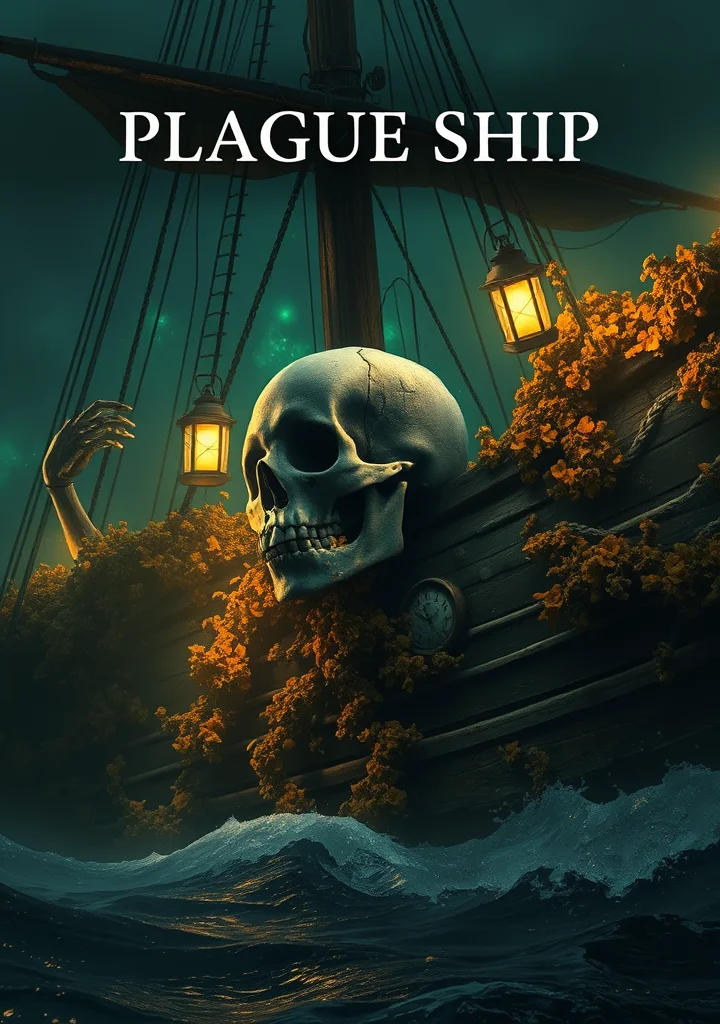
The salt-laced air hangs thick with dread, clinging to the rotting timbers of the *Morian*, a vessel haunted by more than just the spectral chill of the North Atlantic. A creeping contagion, born of shadowed ports and whispered bargains with sea-witchery, festers within its hold, twisting flesh and fracturing minds. The narrative unfolds not as a tale of heroic defiance, but as a slow, agonizing unraveling. Each deck becomes a labyrinth of fevered delirium and decaying grandeur, mirroring the fractured psyche of Captain Keveren, bound by duty to a cargo more terrifying than any kraken. Norton doesn’t offer swashbuckling adventure, but a claustrophobic descent into madness. The ship itself is a character—a leviathan of grief and rot, breathing out despair with every creak of its ancient frame. The crew aren’t warriors, but desperate souls clinging to the tattered remnants of their humanity as the plague consumes them, their struggles rendered in muted tones of gray and sickly green. Expect a pervasive sense of isolation, not from open ocean, but from the very bodies around you, each touch bringing closer the inevitable bloom of the sickness. The story is less about escaping the ship, and more about the horrifying realization that the plague is not merely a disease, but a haunting—a parasitic echo of something ancient and malevolent awakened by the sea. The darkness doesn’t arrive with a dramatic storm, but seeps through the planks, clinging to the skin, and ultimately, claiming the soul.
14 Part
Dust motes dance in the perpetual twilight of ancestral halls, mirroring the slow decay of a lineage built on obsolescence. The air hangs thick with the scent of polished wood and regret, a suffocating perfume of inherited wealth and purposeless existence. Within these shadowed mansions, a subtle rot festers – not of brick and mortar, but of the human spirit, consumed by the exquisite art of doing *nothing*. A creeping dread permeates the very architecture, as the rituals of conspicuous consumption become increasingly desperate, brittle performances masking a hollow core. The narrative unfolds as a spectral autopsy of a dying aristocracy, where every idle gesture, every meticulously curated possession, is a symptom of a deeper, insidious malaise. Observe the ghostly procession of leisure, its cold elegance a shroud woven from boredom and the glittering chains of social obligation. The very foundations of civility seem to crumble with each perfectly timed sip of champagne, each languid glance across a ballroom floor. A suffocating stillness pervades, broken only by the echoing whispers of those who have become shadows of their own privilege, trapped in a gilded cage of their own making, slowly disappearing into the ornate, echoing emptiness. It is a study in sepulchral refinement, a haunting testament to the beautiful, tragic waste of a world on the brink of collapse, where the weight of history presses down like a tombstone.
19 Part
Beneath the sun-bleached stones of Sicily, a shadow descends. Not of bandits or political intrigue, but a creeping dread woven into the very fabric of ancient villas and crumbling chapels. The narrative unfolds within a labyrinth of sun-drenched courtyards concealing forgotten histories, and the scent of jasmine masking the rot of decaying grandeur. A young Englishwoman, adrift in a land of simmering passions and veiled secrets, finds herself drawn into a family’s fractured legacy—a legacy haunted by whispers of a tragic past. The air hangs thick with the weight of unfulfilled desires, and the heat breeds not just fever, but a suffocating claustrophobia. Each crumbling archway seems to observe, each darkened corridor to breathe with the ghosts of those who succumbed to melancholy. The landscape itself becomes a character—a brutal beauty that both lures and threatens. A slow unraveling of the heroine’s composure occurs as she navigates a treacherous dance between duty and desire, guided by a charismatic nobleman whose own shadow-self is barely contained. The romance, as it blooms, is laced with the venom of suspicion. Every stolen glance, every whispered confession, is shadowed by the possibility of deception. The story is less about the passion between two souls, and more about the suffocating atmosphere that threatens to swallow them both—a suffocating atmosphere born of isolation, ancient curses, and the slow, insidious decay of a noble line. The Sicilian soil itself seems to drink the light, leaving only an eternal twilight clinging to the heart of the story.