
Cutting the Facade
  • 25
  • 0
  • 7
  • Read 25
  • 0
  • Part 7
Completed, First published Jun 26, 2026

The narrative traces Dazai’s struggle with debilitating exhaustion and a profound sense of detachment, as he navigates his daily life while concealing a hidden internal battle. These chapters reveal a man attempting to maintain appearances while grappling with self-destructive impulses and a growing fear of discovery. Colleagues like Kunikida and Atsushi express concern over his frequent absences, while Dazai simultaneously engages in self-harm and attempts to conceal it. As suspicion mounts, particularly from Ranpo, he must navigate a delicate dance of manipulation and concealment to protect his secrets. The story unfolds with a melancholy tone, hinting at a deeper exploration of alienation and self-neglect.
Copyright: All Rights Reserved
No person is allowed to use, redistribute, or modify your work in any form without your explicit permission.
Recommended for you
25 Part
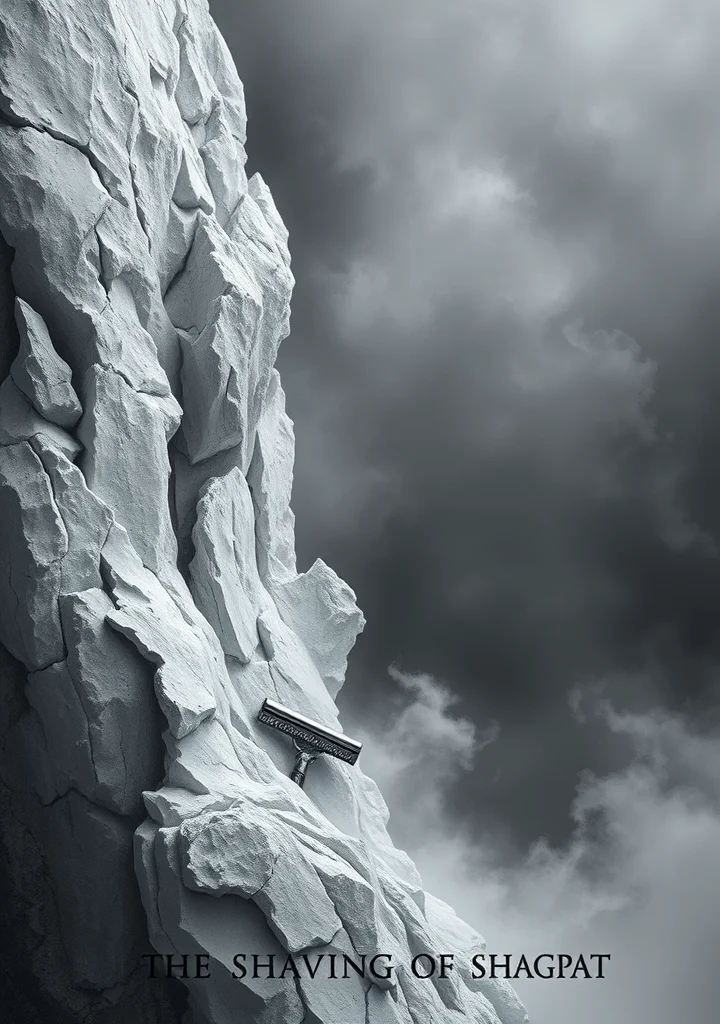
A creeping dread clings to the chalk-white cliffs of the English coast, mirrored in the fractured psyche of Shagpat. This is a novel of suffocating isolation, of a man bound by a self-imposed exile, his very identity dissolving into the sea mist that swallows his ancestral home. The narrative unfolds not as a progression, but as a slow unraveling, a descent into the labyrinthine corridors of a mind fractured by pride and the weight of inherited expectation. The air is thick with unspoken histories, with the ghostly echoes of Shagpat’s forefathers. Every stone, every shadowed doorway breathes with the suffocating legacy of his lineage. A suffocating claustrophobia pervades the narrative, born not of physical constraint but of a spiritual paralysis. The world outside – the bustling cities, the promises of love – feels distant, unreal, accessible only through the warped lens of Shagpat’s decaying inner world. The novel is steeped in a melancholic beauty, a slow burn of longing and regret. It is a landscape of muted colours, of perpetual twilight, where the boundaries between reality and hallucination blur. A sense of impending doom hangs heavy, not through dramatic plot twists, but through the inexorable erosion of a soul. The reader is immersed in the suffocating silence, the oppressive stillness, and the chilling realization that Shagpat’s true prison is not a place, but a state of being. It is a study in the decay of will, the slow, agonizing dissolution of a man into the very fabric of his desolate inheritance.