
عينان زمرديتان
Translated from Emerald Eyes
  • 15
  • 0
  • 4
  • Read 15
  • 0
  • Part 4
Ongoing, First published Jul 20, 2026

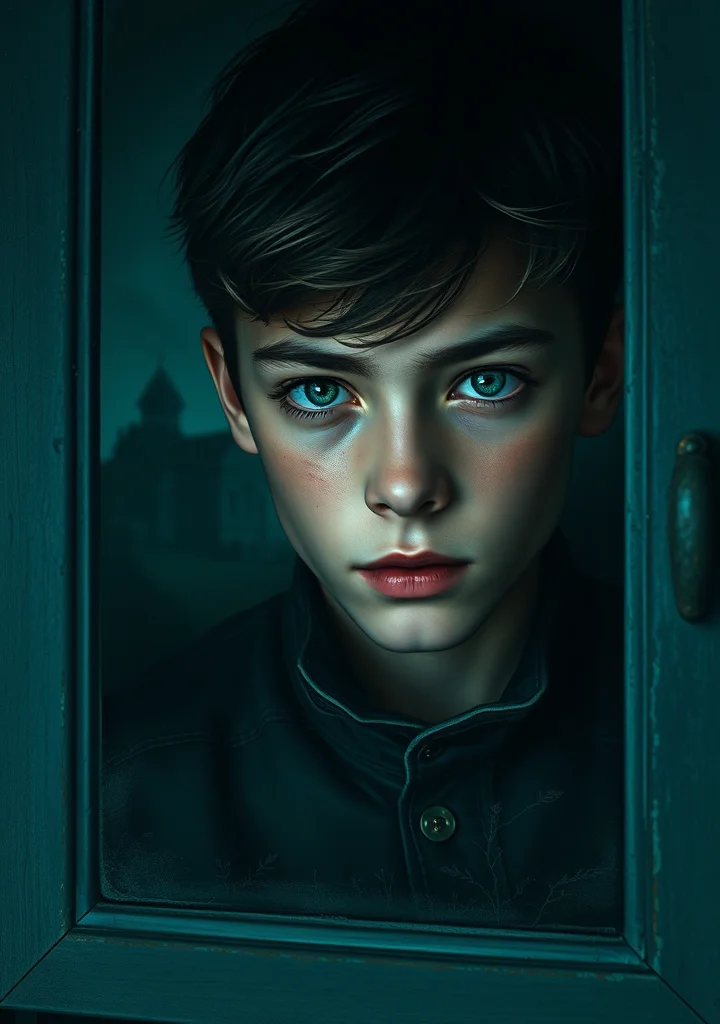
تتبع القصة تجارب شاب يبلغ من العمر ستة عشر عامًا، لويس توملينسون، وهو ينتقل مع عائلته إلى منزل ستايلز، الذي يخيم عليه المأساة والخرافات المحلية. داخل جدرانه، يكتشف لويس مذكرات تصف رعبًا مؤرقًا، ورسمًا لفتى يلمح إلى ماضٍ غامض متصل بعائلة عاشت هناك ذات يوم. وبينما يشق طريقه لويس عبر لقاءات مثيرة للقلق - بما في ذلك هجوم عنيف في سهل خفي - يجد نفسه مقربًا من فتى غامض ذو عينين زمرديتين بارعتين. وتُشير هذه الفصول إلى قصة مغموسة بالعنف غير المفسر، والإعجاب المتزايد، وإحساس متزايد بالضعف بينما يتساءل لويس عن ما حوله وعن رغباته الخاصة.
Copyright: All Rights Reserved
No person is allowed to use, redistribute, or modify your work in any form without your explicit permission.
More like this
143 Part
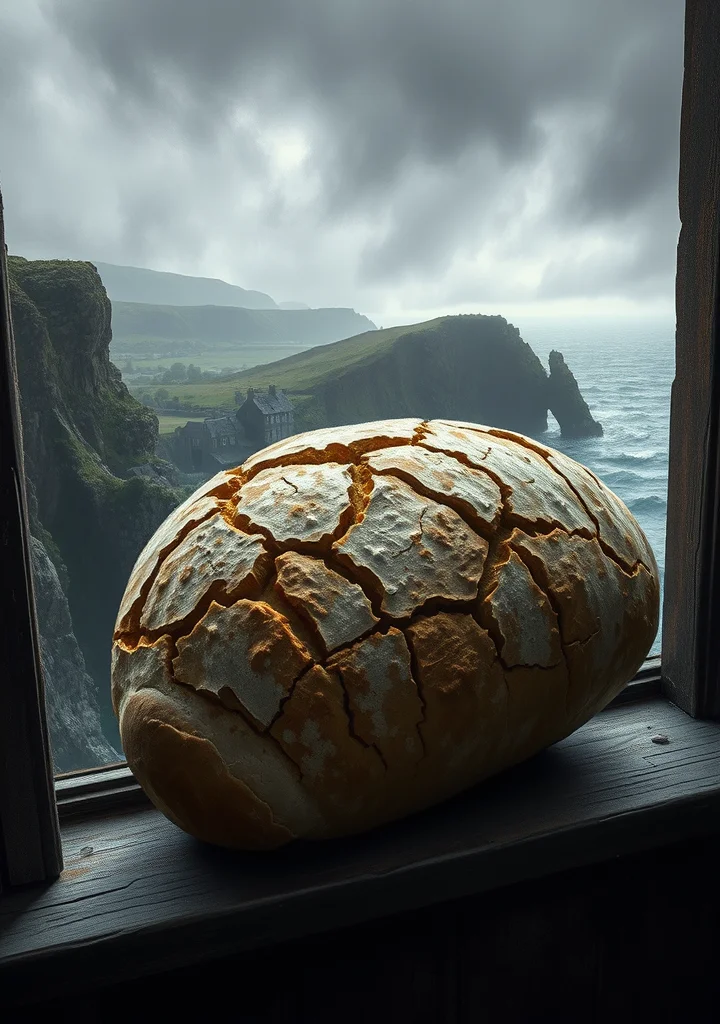
A creeping dread clings to the Dorset coast, a salt-laced miasma rising from the crumbling cliffs and shadowed coves. The village of Little Porthaven holds its secrets tight, woven into the very stone of its cottages and the mournful cry of the gulls. Old Man Tremaine, they say, died of the bread – not the eating of it, but the *making* of it. His final loaf, vast and swollen with a sickening sweetness, was found cooling on the sill, a grotesque parody of domestic comfort. But the bread wasn’t merely a final act. It was a symptom. A slow rot spreading through the Tremaine household, mirroring the insidious decay of the manor itself. Whispers of ancient pacts with the sea, of bargains struck with things best left undisturbed in the black depths, cling to the scent of yeast and flour. The new owners, the Harwoods, arrive seeking respite, unaware they’ve walked into a tomb already claimed. Each slice cut from the giant loaf seems to bleed a little more of the village’s history, staining the air with a cloying guilt. The scent of it clings to the fingers, to the linen, to the very thoughts of those who dare to taste it. It’s a flavor of loss, of forgotten gods, of a hunger that cannot be sated by mortal hands. The house itself breathes, exhaling the cold breath of something ancient and hungry. The shadows lengthen, not with the fall of dusk, but with the weight of the bread itself, pressing down on the living until they too, become part of its slow, suffocating bloom.
35 Part
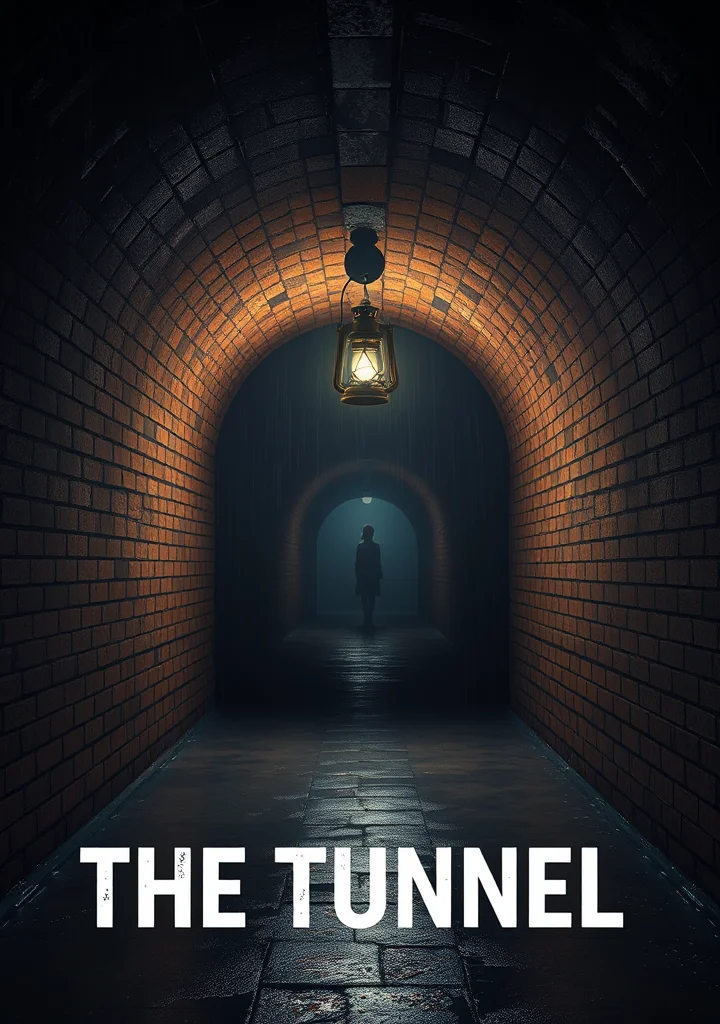
A creeping dampness clings to every page, mirroring the subterranean passage that dominates this fractured narrative. Here, the London streets exhale not into sunlight, but into a labyrinth of echoing brick and shadowed alcoves. The protagonist, adrift in a city both vast and suffocating, finds herself drawn – or perhaps driven – towards a network of tunnels beneath the city’s heart. These aren’t merely physical spaces, but corridors of memory, of unspoken desires, and of a creeping, nameless dread. The narrative unravels like damp thread, pulling at the edges of a life fractured by loss and yearning. A fractured, internal world is rendered through fragmented perceptions. Every encounter, every overheard fragment of conversation, feels weighted with a melancholic resonance. The air is thick with the scent of coal dust and decay, punctuated by the distant rumble of unseen machinery. There is a sense of being watched, of being drawn into a conspiracy of shadows, not by villains, but by the very fabric of the city itself. The tunnel is a metaphor, of course—a descent into the subconscious, a descent into a forgotten self. The prose is less about what is seen, and more about what is *felt* – the cold stone against skin, the suffocating weight of the earth above, the gnawing certainty of something lost, irretrievable, and buried deep within the echoing darkness. A claustrophobic, hypnotic descent into the heart of a woman’s unraveling, and a city’s hidden wounds.