
La resolución de Dreamland
  • 9
  • 0
  • 3
  • Read 9
  • 0
  • Part 3
Ongoing, First published May 24, 2026

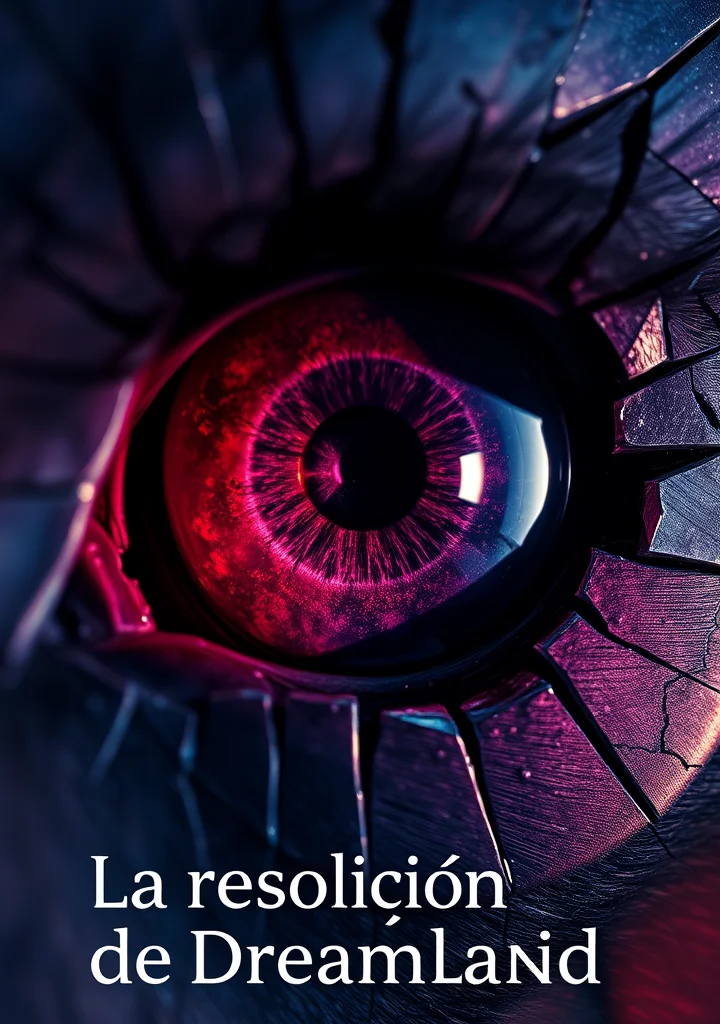
La novela sigue a Hazel Larson, Alfa de los Dreamlander Lycans, una manada que valora la lealtad después del exilio de la regla de su Alfa original. Estos capítulos revelan un conflicto que se avecina cuando la manada de Hazel enfrenta acusaciones de la manada de liderazgo de Duskfall, exigiendo un viaje tenso para resolver la disputa. Mientras tanto, Quinton Porter, Alfa de Duskfall, se enfrenta a la determinación y su propio deseo de pareja..
Copyright: All Rights Reserved
No person is allowed to use, redistribute, or modify your work in any form without your explicit permission.
Recommended for you
42 Part
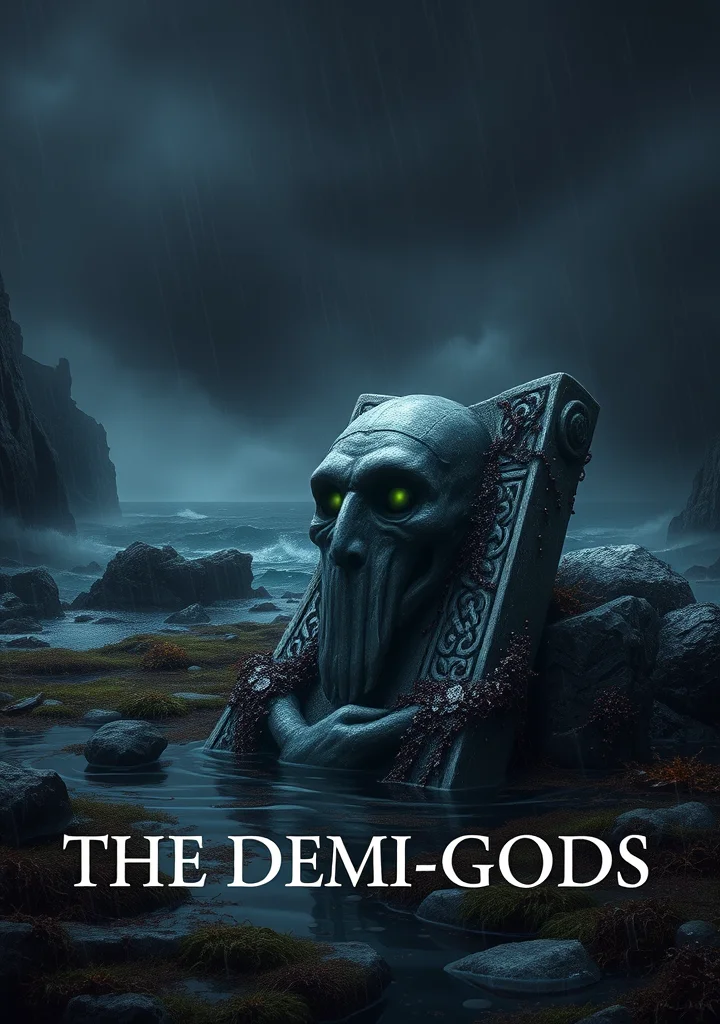
A creeping dread clings to the Irish coast, thick as the bog mire that swallows men whole. Stephens weaves a tale not of heaven or hell, but of the liminal spaces between, where the remnants of ancient, pagan deities bleed into the fractured lives of mortals. The narrative unfolds within a suffocating village steeped in superstition, where whispers of forgotten gods stir in the peat smoke and the sea’s cold breath carries the scent of something older than time. Each character is a fractured vessel—a priest haunted by visions, a woman possessed by a spectral sorrow, a boy touched by the cold hand of the otherworld. Their desires, their failures, their very breaths seem drawn from the decaying grandeur of a lost age. The world isn’t simply haunted; it *is* haunting—a slow rot of the soul mirroring the crumbling stone circles and the drowned chapels swallowed by the relentless tide. The prose itself feels like unearthed bone, brittle and cold, layered with the scent of brine and decay. Stephens doesn’t offer salvation, only a glimpse into the echoing emptiness where the gods once walked, leaving behind only echoes of their power and the lingering stain of their absence. It’s a world where the boundaries between reality and nightmare blur, where every shadow holds a watchful eye, and the very earth seems to breathe with a mournful, forgotten hunger. The air tastes of salt and regret, and the story unfolds like a slow, inexorable drowning in the grey light of a dying world.
74 Part
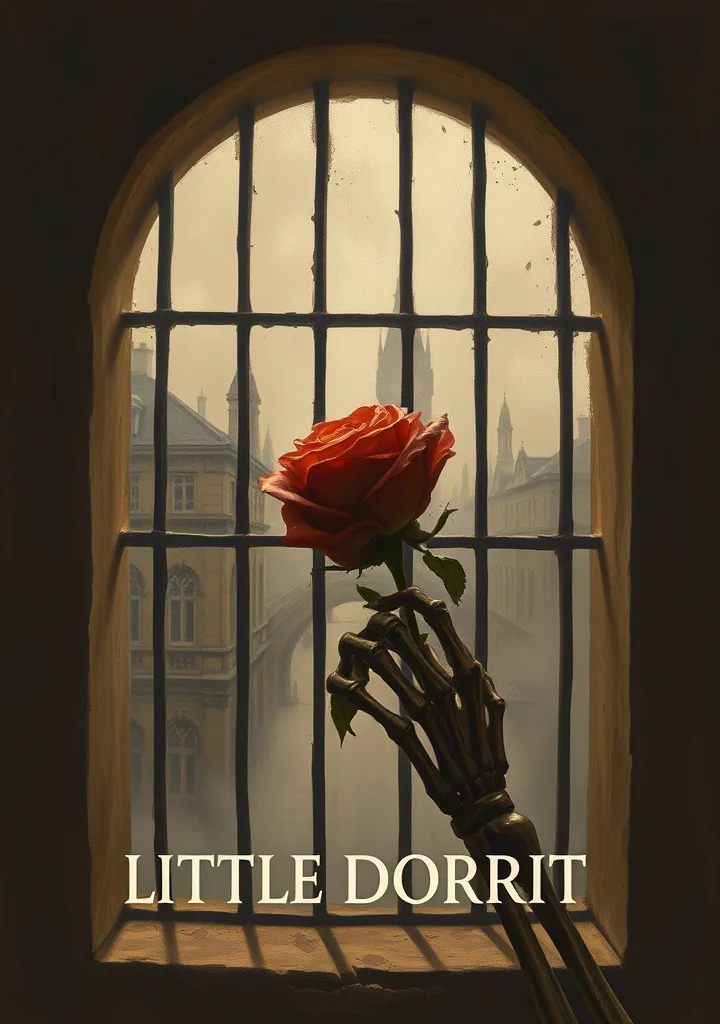
A perpetual twilight clings to the Dorrit family, born within the suffocating walls of the Marshalsea Debtors’ Prison. Dust motes dance in the shafts of pallid sunlight that penetrate the gloom, illuminating a world built on inherited despair. The narrative unfolds not as a story of escape, but of entrenchment – a slow, creeping rot within the heart of London’s shadowed districts. A suffocating domesticity, laced with the scent of decay and stale hope, pervades every corner. The city itself breathes a feverish sickness, its cobblestones slick with rain and regret. The weight of ancestral debts presses down like a leaden shroud, mirroring the labyrinthine streets where shadows stretch and lengthen, obscuring the boundaries between freedom and imprisonment. There’s a fragility to the light, a constant sense of something crumbling beneath a veneer of civility. Even the briefest glimpses of sun-drenched fields feel haunted by the prison’s pervasive darkness. The narrative whispers of forgotten inheritances, of lives spent meticulously charting the boundaries of their own cages, and the suffocating intimacy of a family bound by misfortune, not love. A creeping melancholy clings to the prose, a sense of inevitability that echoes in the hollow chambers of the heart. It’s a world where the smallest kindness feels like a desperate plea against oblivion, and where every act of charity is stained with the knowledge of inevitable loss.
62 Part
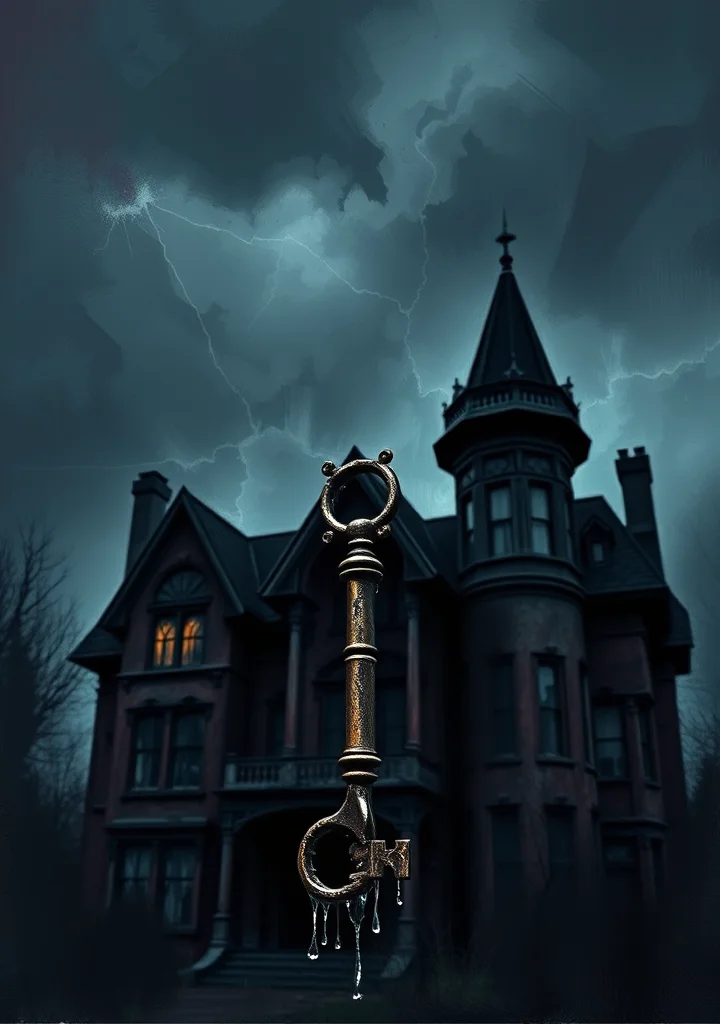
A creeping dread clings to the shadowed corners of Blackwood Manor, a place where laughter curdles into whispers and the scent of decay hangs heavy in the air. The estate’s master, a man known only as “Mike,” is a phantom draped in privilege and melancholy, his past a labyrinth of broken promises and hushed accusations. Rain lashes against the leaded windows, mirroring the storm brewing within the manor’s ancient walls. Each polished surface reflects not elegance, but a stifled despair, a rot beneath the veneer of wealth. The air is thick with the weight of unspoken secrets, and the estate’s few inhabitants move as ghosts through the dim hallways, their faces gaunt, their eyes haunted by a shared, unspoken terror. A fragile melody, played on a neglected pianoforte, echoes through the house like a dying breath, a mournful lament for a life lost to shadow. The gardens are overgrown, strangled by thorns, mirroring the tendrils of obsession that tighten around Mike’s heart. He is a collector of broken things— shattered dreams, abandoned affections, and the tarnished relics of a forgotten age—each object a shard of his own fractured soul. The manor itself seems to breathe with his sorrow, absorbing the darkness until the very stones weep with regret. A suffocating sense of inevitability descends with each passing hour, a slow, creeping realization that Blackwood Manor, and Mike, are already claimed by something ancient and unforgiving.