
-
Read 259
-
0
-
Part 12
Completed, First published Mar 02, 2026
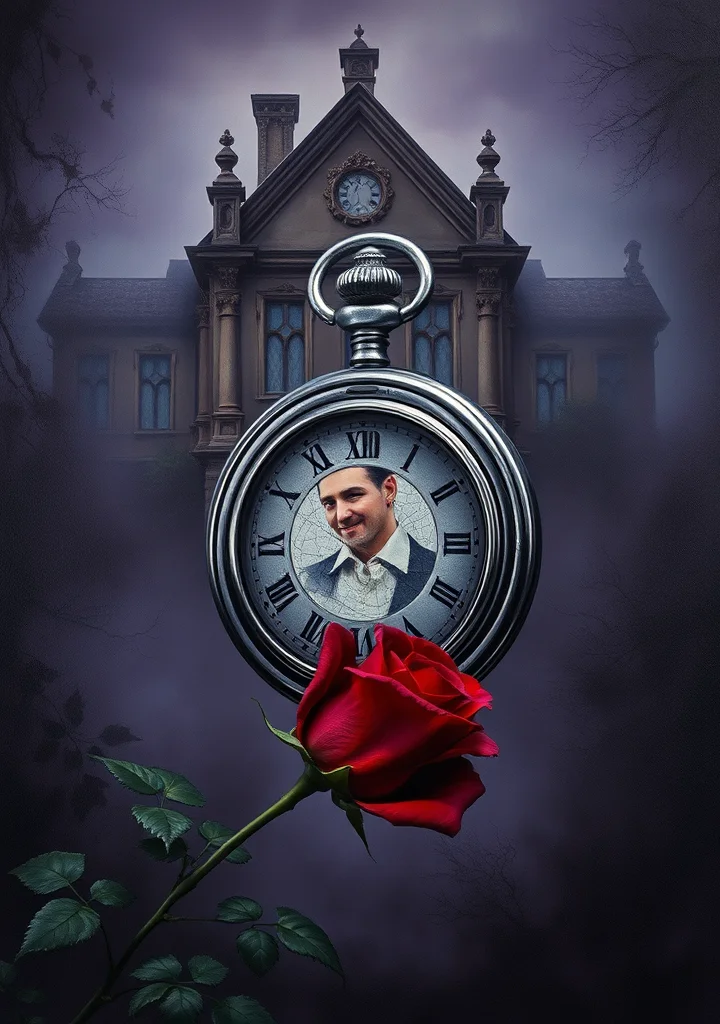
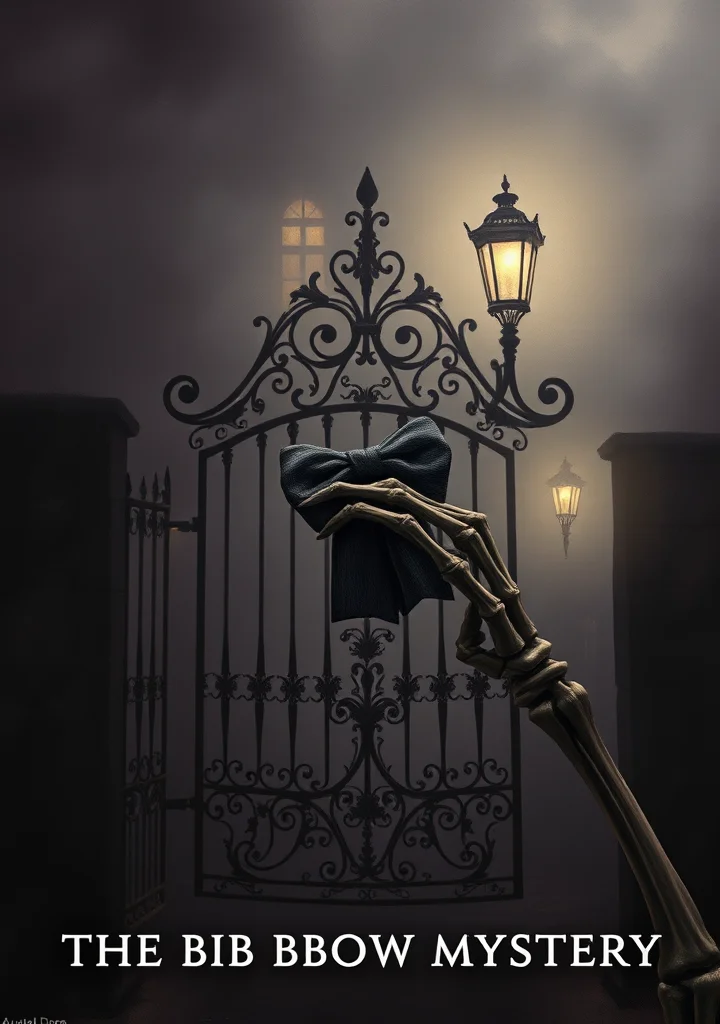
A suffocating London fog clings to the cobbled streets, mirroring the miasma of suspicion that settles over the grand, decaying mansion of the Big Bow estate. Within its shadowed halls, a fortune hangs suspended by the frail thread of a dying man’s confession—a confession whispered not of theft, but of a monstrous, inherited guilt. The house itself breathes with secrets; each ornate carving, each dust-moted beam, a silent witness to generations of shadowed dealings. A web of familial obligation, fueled by avarice and veiled in Victorian propriety, constricts the investigation. The scent of lilies and decay permeate the air as a detective, more observer than agent, navigates a labyrinth of deceit. This is not a pursuit of a stolen jewel, but a descent into the suffocating darkness of a family’s soul, where the true crime is not what was taken, but what was *allowed* to fester. The oppressive weight of London society—its rigid codes and suffocated desires—becomes a character in itself, a chilling accomplice to the unraveling of a legacy steeped in shame. Every creaking floorboard, every extinguished candle, echoes with the specter of a truth buried beneath layers of lace, lineage, and the chilling inevitability of inherited despair.
Copyright: Public Domain
This license allows anyone to use your story for any purpose, including printing, selling, or adapting it into a film freely.
This license allows anyone to use your story for any purpose, including printing, selling, or adapting it into a film freely.
Recommended for you