
-
Read 580
-
0
-
Part 38
Completed, First published Mar 02, 2026
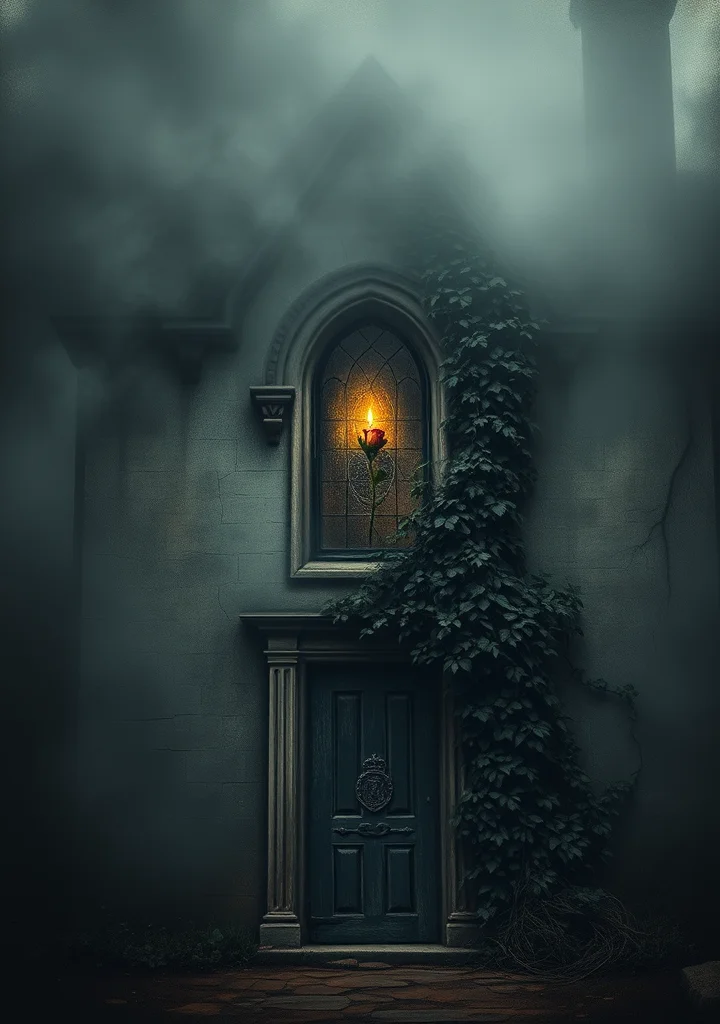
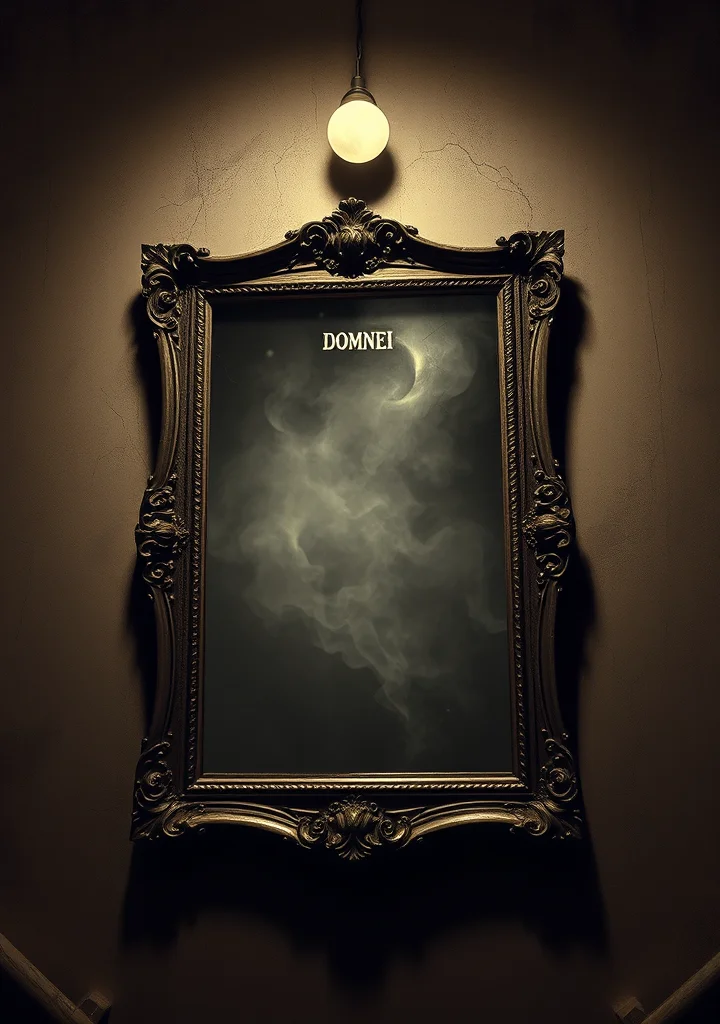
The Domnei are not of this earth, yet they haunt the shadowed corners of Virginia’s past, their lineage woven into the very soil of the Rappahannock Valley. Cabell’s narrative exhumes a history of decaying gentility, where a family’s cursed inheritance—the ability to perceive and interact with the spectral realm—becomes both their torment and their perverse dominion. Dust motes dance in sunless rooms, illuminating portraits of ancestors whose eyes follow you with unsettling intelligence. The air hangs thick with the scent of wormwood and regret, clinging to the crumbling mansions where generations have bartered with the dead for power and longevity.
A suffocating sense of inevitability pervades every page, as the Domnei’s fate unfolds not as a tragedy to be avoided, but as a ritualistic decay to be endured. Their desires are as brittle as dried leaves, their loves as cold as tombstone marble. The novel breathes with the damp chill of forgotten crypts and the echoing whispers of those who linger beyond the veil, blurring the lines between reality and the spectral world. It is a world where beauty rots from the inside out, and where the most terrible gifts are inherited in silence, sealed with the kiss of a phantom. A slow, deliberate descent into a darkness where the past is not merely remembered, but *consumed*.
Copyright: Public Domain
This license allows anyone to use your story for any purpose, including printing, selling, or adapting it into a film freely.
This license allows anyone to use your story for any purpose, including printing, selling, or adapting it into a film freely.
Recommended for you