
Nova Casa, Novos Medos
  • 31
  • 0
  • 7
  • Read 31
  • 0
  • Part 7
Ongoing, First published May 11, 2026

Uma mudança de casa, um recomeço com amigos e família. Entre caixas e risadas, Y/n tenta se adaptar à nova rotina, mas a ansiedade a acompanha em cada passo. Uma noite em um sleepover revela desafios inesperados, jogos de verdade ou desafio e uma colaboração musical surpreendente. Por baixo da leveza, segredos e emoções intensas vêm à tona, revelando um lado vulnerável de Y/n. A alegria e a tensão se misturam enquanto ela tenta encontrar seu lugar em meio ao caos e às mudanças.
Copyright: All Rights Reserved
No person is allowed to use, redistribute, or modify your work in any form without your explicit permission.
Recommended for you
86 Part
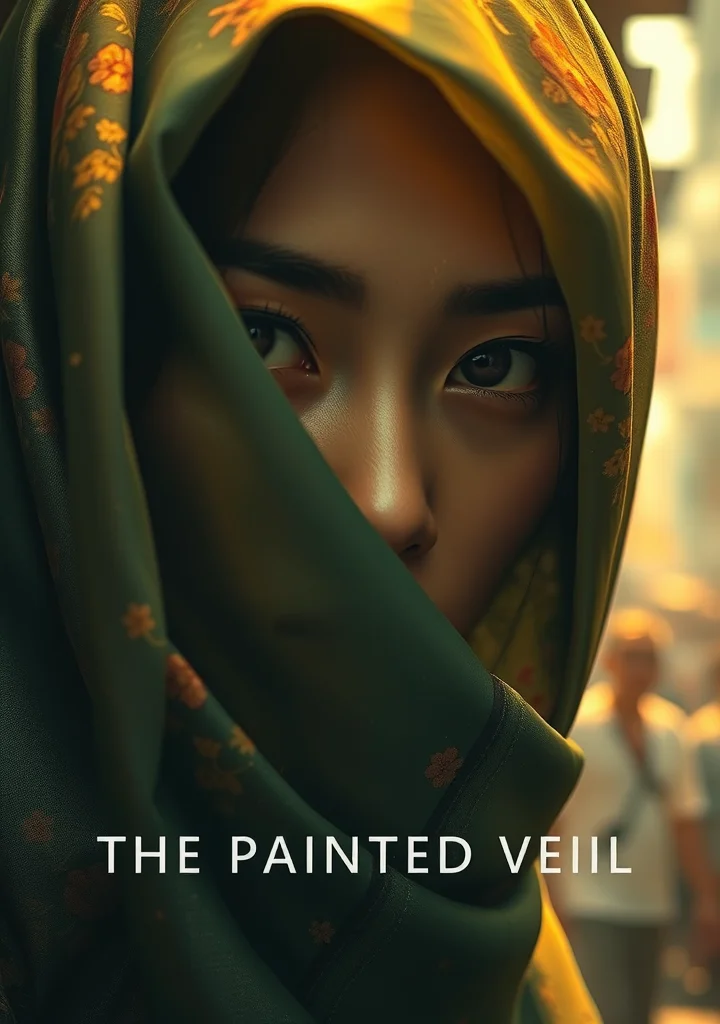
Dust motes dance in the oppressive heat of a Hong Kong summer, mirroring the suffocating stillness of Katherine’s marriage. A gilded cage, woven with silk and silence, holds her fast to Walter, a man whose cold precision dissects affection as readily as a laboratory specimen. But the cholera epidemic is a fever dream of rot and revelation, a landscape of shadowed alleys and whispered fears where Katherine, driven to desperate charity, dons a veil—not of mourning, but of disguise. The air hangs thick with the scent of jasmine and decay as she infiltrates a remote, lawless village, trading her identity for a cure. The deeper she ventures into the heart of the plague, the more Walter’s rigid composure cracks, revealing a man haunted by his own sterile ambition. Each act of kindness, each shared moment under the suffocating weight of the epidemic, peels back layers of their carefully constructed lives. The world bleeds into a bruised palette of ochre and grey, the sun a malevolent eye watching as Katherine navigates a moral labyrinth. The veil becomes not just a shield against contagion, but a mask for a woman shedding her own brittle illusions. It’s a descent into a shadowed intimacy, where love and loathing twist together like the roots of a strangling vine, and the only certainty is the creeping, insidious dread of what—or whom—they’ve left behind. The weight of the silk is a constant reminder: salvation, or a slow, beautiful unraveling.
43 Part
A creeping dampness clings to these pages, smelling of mildewed linen and forgotten dust. The narrative unfolds not as a story *told*, but as one exhaled from the shadowed corners of a decaying manor house. Old Geoffrey Crayon, a man more wraith than host, drifts through spectral landscapes of his own making—half-remembered inheritances of Dutch tradition, half-spun from the brittle threads of New York’s nascent shadows. The chill isn't merely seasonal. It seeps from the very architecture described—barns looming like skeletal fingers against a bruised sky, kitchens haunted by the phantom scents of hearth-smoke and long-vanished feasts. Each tale is a fragment of a larger, fractured dream, echoing with the melancholy of abandoned hearths and the rustle of unseen figures in the orchard. There’s a deliberate blurring of boundary—between the remembered and the imagined, the living and the decaying. The reader is not given a comfortable vantage point, but pulled into the swirling fog of Crayon’s recollections, forced to sift through fragments of folklore, half-formed superstitions, and the chilling echoes of a land where the past doesn’t fade, but *bleeds* into the present. It’s a landscape where the harvest moon casts long, predatory shadows, and the silence between tales is filled with the whispers of something ancient and unwell stirring beneath the floorboards. The sketchbook is not merely read; it is *inhabited*.
148 Part
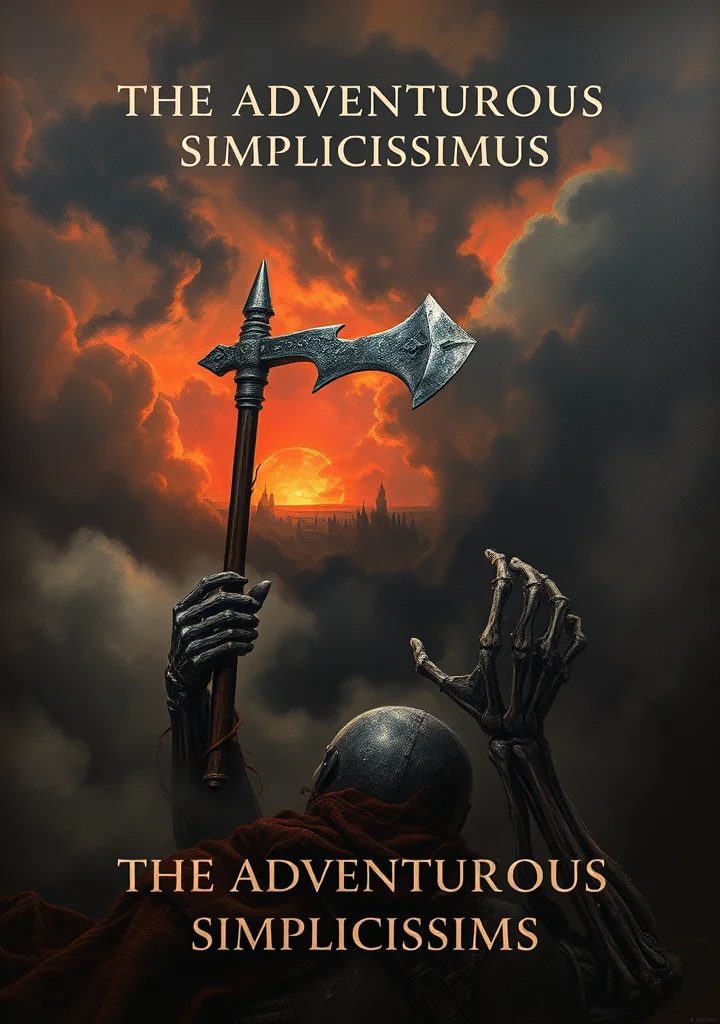
A world steeped in the mud and iron of the Thirty Years’ War bleeds into every page. Simplicissimus doesn't merely recount adventure; it exhumes it from the rotting timbers of abandoned villages and the hollow stares of famine’s ghosts. The narrative coils around you like a creeping fog, thick with the stench of gunpowder and the sour tang of desperation. It isn't heroism that echoes through these chapters, but a brutal, animalistic survival. Each encounter – a brawl in a mercenary camp, a desperate plea for shelter, a glimpse of skeletal families huddled around dying embers – is rendered with a chilling immediacy. The prose itself feels like a shard of glass pressed against the skin, sharp and unforgiving. Grimmelshausen doesn't offer escape, but immersion. You walk alongside Simplicissimus through landscapes ravaged not by armies alone, but by a spiritual decay that festers in the hearts of men. The castles loom as skeletal frameworks against bruised skies, and the forests whisper with the cries of the lost. The novel’s relentless forward motion mirrors the descent into madness, the erosion of innocence, and the ultimate realization that even in the deepest darkness, humanity finds a way to both inflict and endure. A suffocating claustrophobia settles over the reader as the narrative descends into a labyrinth of moral compromise and the casual horrors of a world utterly consumed by war. It is a world where the only virtue is the will to survive, and even that is often purchased with pieces of the soul.
15 Part
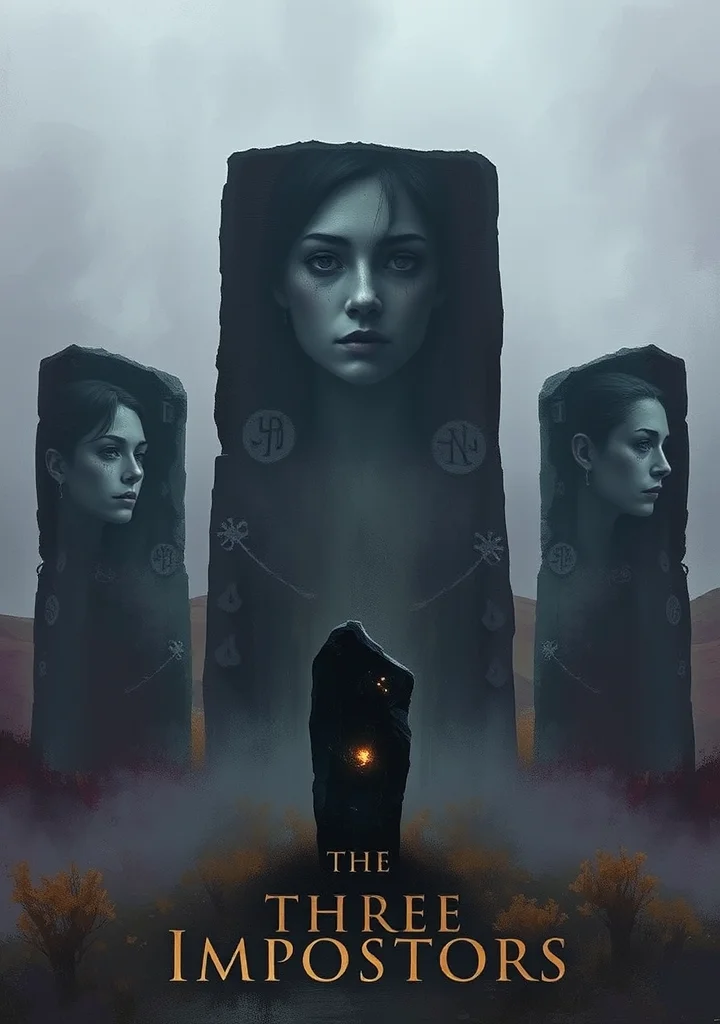
A creeping dread clings to the Welsh hills, a miasma rising from ancient stones and shadowed valleys. Machen weaves a tale not of what is seen, but of what *becomes* visible – the fracturing of reality itself. Three men, each subtly, terrifyingly *wrong*, infiltrate a quiet village, their presence a slow corruption of the familiar. They are not demons in disguise, nor madmen escaped from asylums, but something far stranger: echoes of forgotten gods, slivers of nightmares given flesh. The narrative unfolds like a fever dream, blurring the line between the mundane and the monstrous. A suffocating claustrophobia settles over the reader as the impostors’ influence spreads – a chilling stillness in the eyes of livestock, the unnerving precision of their smiles, the scent of decay clinging to their clothes. The air itself thickens with an unspoken terror, a sense of being watched by something vast and uncaring. The true horror lies not in their deeds, but in the subtle unraveling of the world around them. Stone circles become gateways, ancient rituals awaken, and the very foundations of the village begin to crumble under the weight of their alien scrutiny. It is a story of slow, insidious possession, where sanity is peeled away like layers of skin, leaving only the raw, screaming nerve of primal fear. The darkness doesn’t *come* – it *is*, woven into the very fabric of existence, and these three impostors are merely the stitches pulling it taut.