
Short Fiction
  • 897
  • 0
  • 105
  • Read 897
  • 0
  • Part 105
Completed, First published Mar 02, 2026

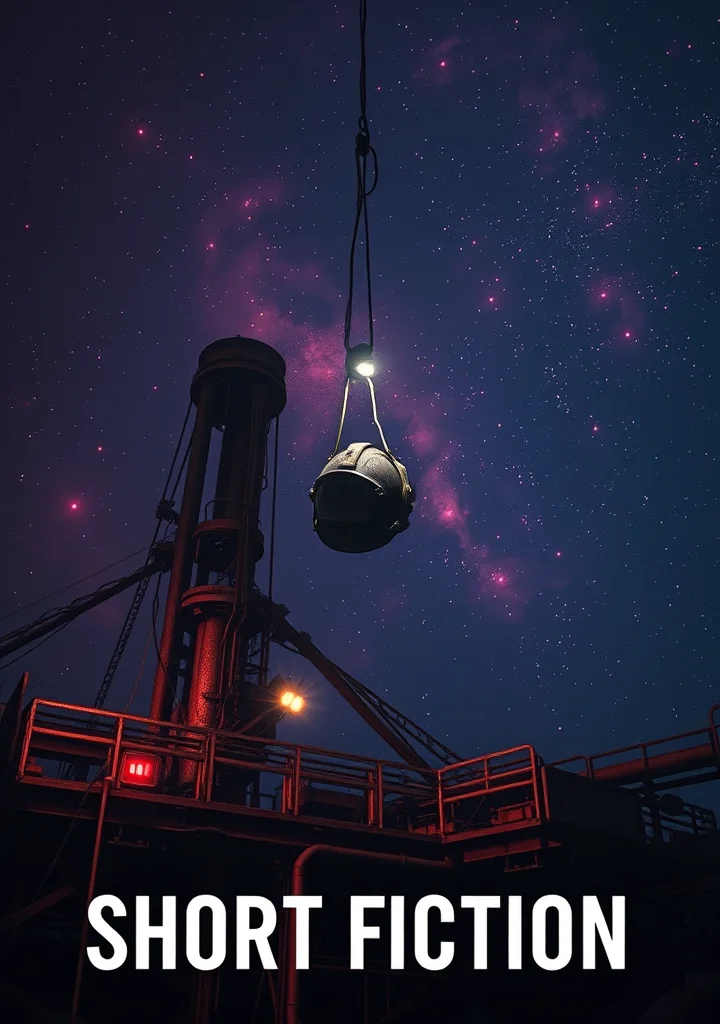
Dust motes dance in the perpetual twilight of abandoned mining colonies, clinging to the skeletal machinery like spectral lichen. These stories aren’t of grand space operas, but of the grit under fingernails and the cold ache in marrow. Anderson doesn't offer shining cities, but the rust-colored ghosts of ambition etched into the vacuum-sealed walls of forgotten habitats. Each narrative feels excavated from a collapsed tunnel, fragments of lives clinging to the dwindling oxygen of memory. There's a quiet desperation here, a slow bleed of hope into the metallic tang of failure. Characters stumble through echoing corridors, haunted by the echoes of their own dwindling resources, their failures amplified by the unforgiving void. The narratives aren’t concerned with heroism, but with the small, brutal compromises made to survive another cycle, another rotation. The air is thick with the silence of decay, punctuated by the whine of failing life support and the crackle of static in long-dead comms. The landscapes aren’t external vistas, but the interior architectures of isolation – the cramped cabins, the flickering screens, the last, brittle vestiges of humanity clinging to the hull of a dying ship. A pervasive sense of being watched, not by aliens or gods, but by the cold indifference of the universe itself. The stories feel less written, and more *extracted* from the wreckage of something lost.
Copyright: Public Domain
This license allows anyone to use your story for any purpose, including printing, selling, or adapting it into a film freely.
Recommended for you
37 Part
Dust motes dance in the perpetual twilight of shadowed parlors, mirroring the fractured reflections within Hazlitt’s prose. *Table-Talk* isn’t merely conversation; it is the exhumation of ghosts—not those of the dead, but of ideas, regrets, and the slow, corrosive decay of London society. Each essay, a chipped shard of a broken looking-glass, reveals a distorted portrait of the age, haunted by the specter of its own vanities. The voice is brittle, intimate, as if overheard through a crack in the wall, a feverish monologue delivered in the gloom. There’s a pervasive chill—not of winter, but of disillusionment—that seeps into the marrow of the sentences. The author dissects, not with surgical precision, but with the casual cruelty of a man tracing the lines of a skull. He lingers over the grotesque, the absurd, the moments where public spectacle curdles into private despair. A sense of claustrophobia clings to the pages; the air thick with the scent of stale tobacco and forgotten grievances. The narrative is less a journey than a slow unraveling—a descent into the labyrinth of the author’s own melancholic temperament. One feels the weight of unspoken histories, the oppressive silence of unacknowledged debts. It’s a book for those who find comfort not in illumination, but in the shadowed corners of the world, where the whispers of the past cling to the velvet curtains and the cobwebs of the mind. The final impression is one of being left alone in a decaying library, surrounded by the ghosts of conversations long since ended, and the haunting realization that every table has its own secret, and every voice, its own void.
20 Part
A creeping dread clings to the salt-laced air of Porthaven, a village choked by perpetual mist and shadowed by the crumbling manor of Blackwood Hall. Old Man Hemlock, postmaster and keeper of forgotten grievances, delivers letters not to their intended hands, but to the hollows of regret and festering secrets. Each missive, delivered with a tremor and a whispered apology, unravels a life already frayed by loneliness and the weight of unacknowledged sins. The narrative follows Elara Thorne, a woman haunted by a correspondence she never sent, a confession penned in feverish ink and delivered to a phantom recipient. As she seeks the source of these spectral deliveries, she descends into Blackwood’s labyrinthine halls, where portraits weep with soot and the scent of brine mixes with the dust of forgotten rituals. The house itself breathes with a sorrowful intelligence, its corridors echoing with the murmur of broken promises. Every room is a mausoleum of fractured memory, each object a shard of a life shattered by the wrong letter—a word misplaced, a truth concealed, a love betrayed. The very stones seem to weep with the weight of the past, and Elara finds herself caught in a tightening spiral of delusion and decay, unsure if the horrors she uncovers are real or born of her own unraveling mind. The fog outside mirrors the confusion within, obscuring the boundaries between the living and the dead, and the truth buried beneath layers of whispered accusations and unspoken fears. A chilling silence pervades, punctuated only by the relentless drip of rain and the unsettling certainty that someone, somewhere, is watching her unravel.
38 Part
Beneath a perpetual twilight, where the cobbled streets of Oxford bleed into the encroaching shadows of dreaming spires, a labyrinth unfolds. Not of logic, nor reason, but of whispers and half-remembered fears. The air hangs thick with the scent of decaying roses and damp earth, clinging to the hems of coats worn thin by regret. A scholar, haunted by a melody only he can hear – a tune woven from moth wings and the rustling of forgotten prayers – finds his investigations twisting into corridors of mirrored reflections, each revealing a sliver of a fractured self. The city itself breathes with a feverish pulse, its inhabitants caught in a slow waltz with madness. Doors open into impossible angles, revealing parlours choked with velvet gloom and populated by figures whose faces shift with every glance. Every clock ticks backwards, unraveling the threads of time. The narrative unravels like a ribbon, tangled with threads of obsession, hinting at a darkness within the heart of academia. A creeping dread descends, born not of malice, but of the unsettling realization that the very foundations of reality are built upon a foundation of delicate, brittle lies. It is a descent into a world where the boundaries between waking and dreaming blur, where the echo of a forgotten smile can drive a man to the brink of despair, and where the most innocent of riddles conceal the key to a suffocating, unspoken terror. The garden is overgrown, the tea party is never ending, and the rabbit hole leads not to Wonderland, but to a suffocating, elegant rot.