
-
Read 468
-
0
-
Part 25
Completed, First published Mar 02, 2026
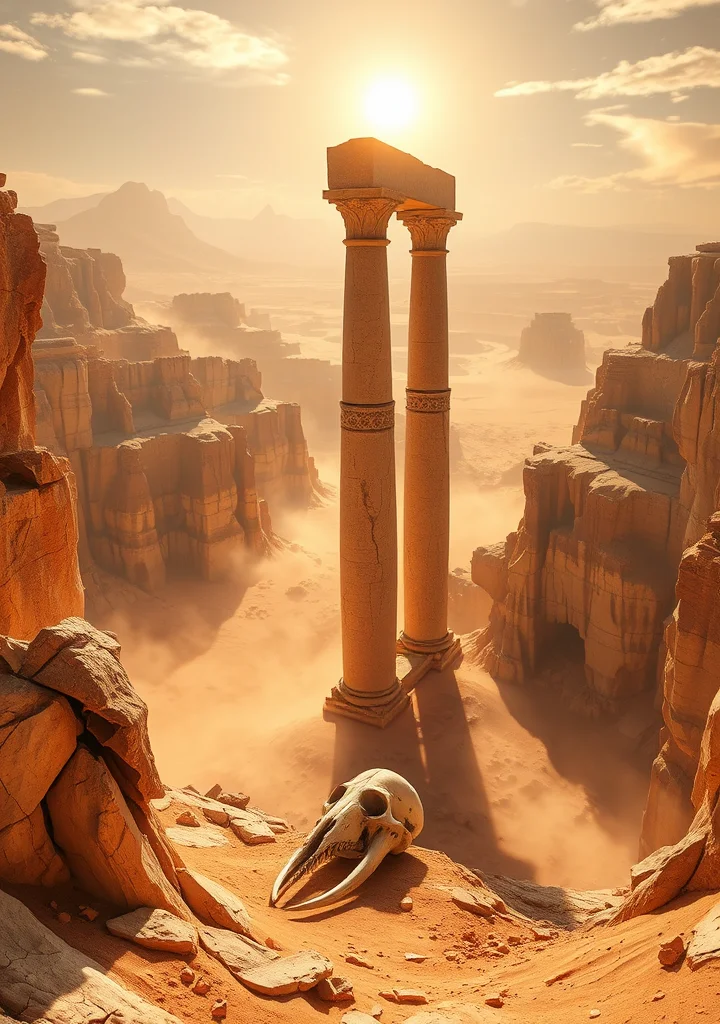
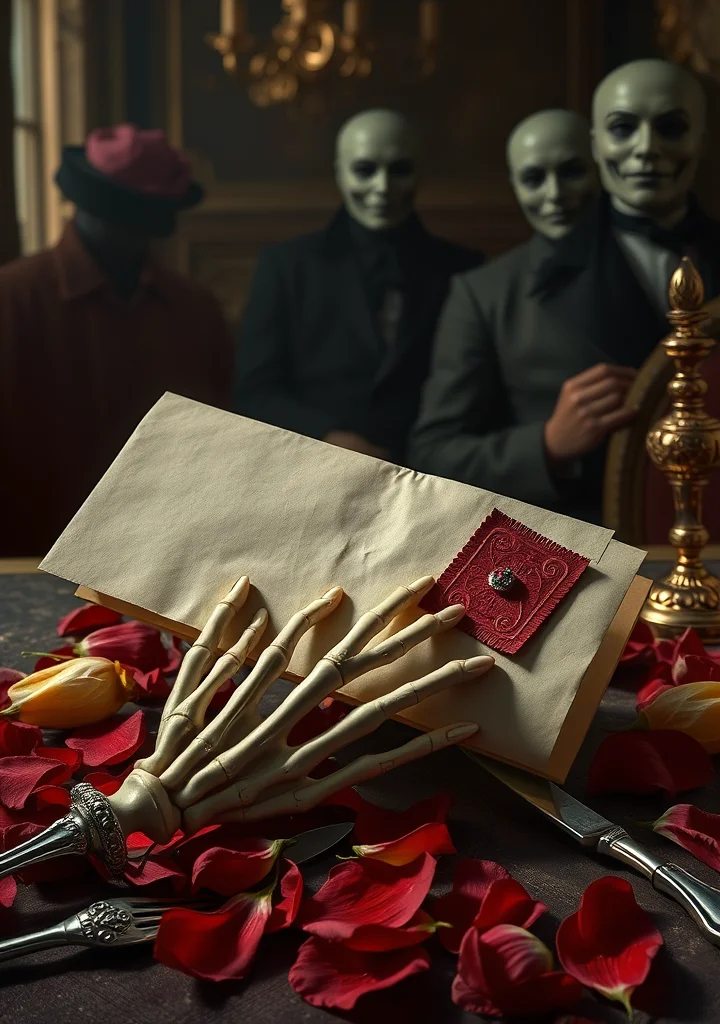
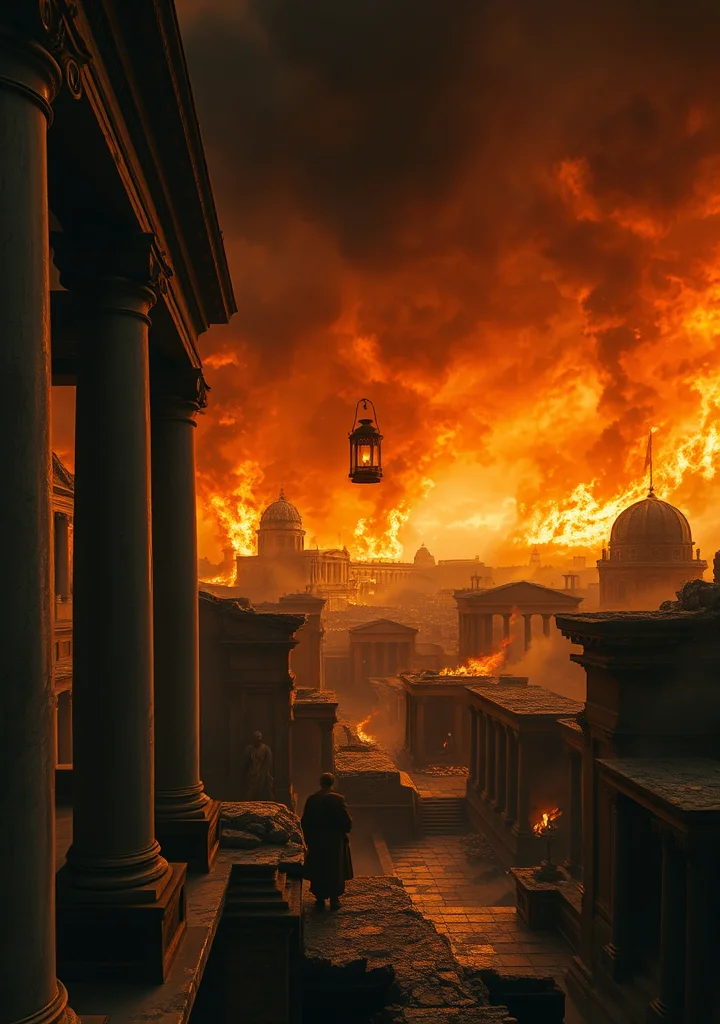
A creeping dread hangs over Rome, woven into the very stones of its ambition. Shadows lengthen with each whispered conspiracy, each fevered dream of augury fulfilled. The air tastes of iron and impending doom, thick with the scent of laurel and betrayal. Caesar’s ascent, though glorious, casts a pall of foreboding, a cold premonition of fractured loyalty and the echoing clang of daggers in the night. Haunted by portents – a pale visage in the marketplace, a soothsayer’s warning – the narrative descends into a labyrinth of paranoia where every smile hides a venomous intent. The forum breathes with unrest, a suffocating tension building towards a brutal, inevitable reckoning. Even in the aftermath, amidst the hollow pronouncements of justice, a chilling stillness descends, laced with the ghosts of those who fell, their blood staining the marble steps, their cries swallowed by the suffocating weight of empire. A suffocating darkness settles, not just upon Caesar, but upon the very soul of Rome itself, consumed by the insidious rot of ambition and the chilling silence of consequence.
Copyright: Public Domain
This license allows anyone to use your story for any purpose, including printing, selling, or adapting it into a film freely.
This license allows anyone to use your story for any purpose, including printing, selling, or adapting it into a film freely.
Chapter List
-
« Julius Caesar »📖 Continue Reading
-
« Dramatis Personae »
-
« ActI »
-
« SceneI »
-
« SceneII »
-
« SceneIII »
-
« ActII »
-
« SceneI »
-
« SceneII »
-
« SceneIII »
-
« SceneIV »
-
« ActIII »
-
« SceneI »
-
« SceneII »
-
« SceneIII »
-
« ActIV »
-
« SceneI »
-
« SceneII »
-
« SceneIII »
-
« ActV »
-
« SceneI »
-
« SceneII »
-
« SceneIII »
-
« SceneIV »
-
« SceneV »
25
-
« Julius Caesar »
-
« Dramatis Personae »
-
« ActI »
-
« SceneI »
-
« SceneII »
-
« SceneIII »
-
« ActII »
-
« SceneI »
-
« SceneII »
-
« SceneIII »
-
« SceneIV »
-
« ActIII »
-
« SceneI »
-
« SceneII »
-
« SceneIII »
-
« ActIV »
-
« SceneI »
-
« SceneII »
-
« SceneIII »
-
« ActV »
-
« SceneI »
-
« SceneII »
-
« SceneIII »
-
« SceneIV »
-
« SceneV »
More like this